Objective
In response to severe water scarcity and the lack of safe and reliable water sources in Msomera, Tanzania, this project phase will construct sustainable household rainwater harvesting systems and provide education on proper use and maintenance. Each system will enable around 50+ people per household block to collect and store rainwater during the rainy season for use throughout the dry months, improving health, reducing water insecurity, and decreasing reliance on unsafe surface water.
This intervention is aligned with the WASH (Water, Sanitation, and Hygiene) framework, which emphasises safe water access, technical quality standards, and sustainable community outcomes.
Relocation and Water Access Challenges in Msomera
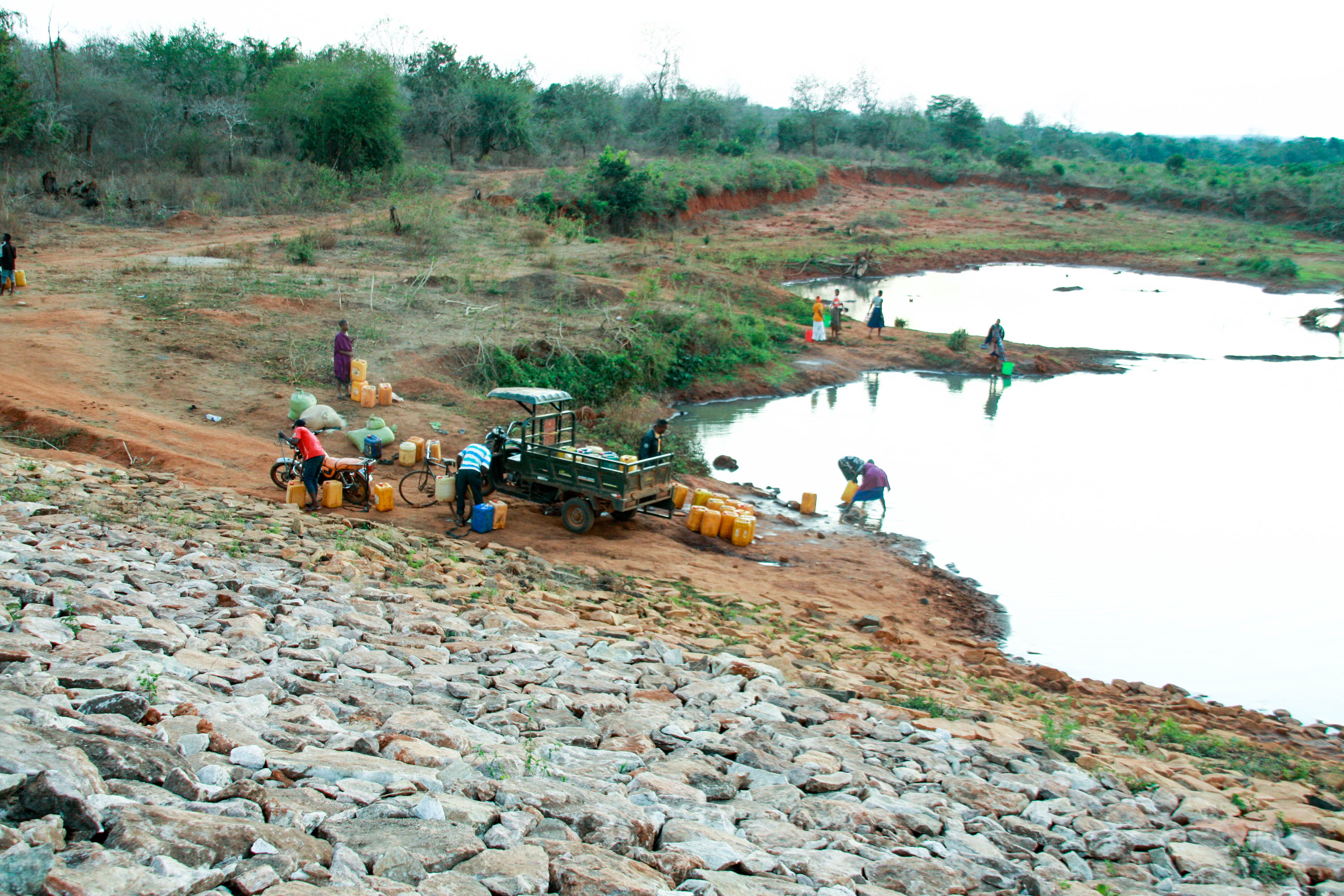
Maasai communities in Tanzania are being relocated from the Ngorongoro Conservation Area to Msomera. The new environment is harsh due to a different climate, saline groundwater and irregular rainfall, complicating access to safe water. Despite ongoing efforts by government authorities, there remains an urgent need for reliable community-level water infrastructure.
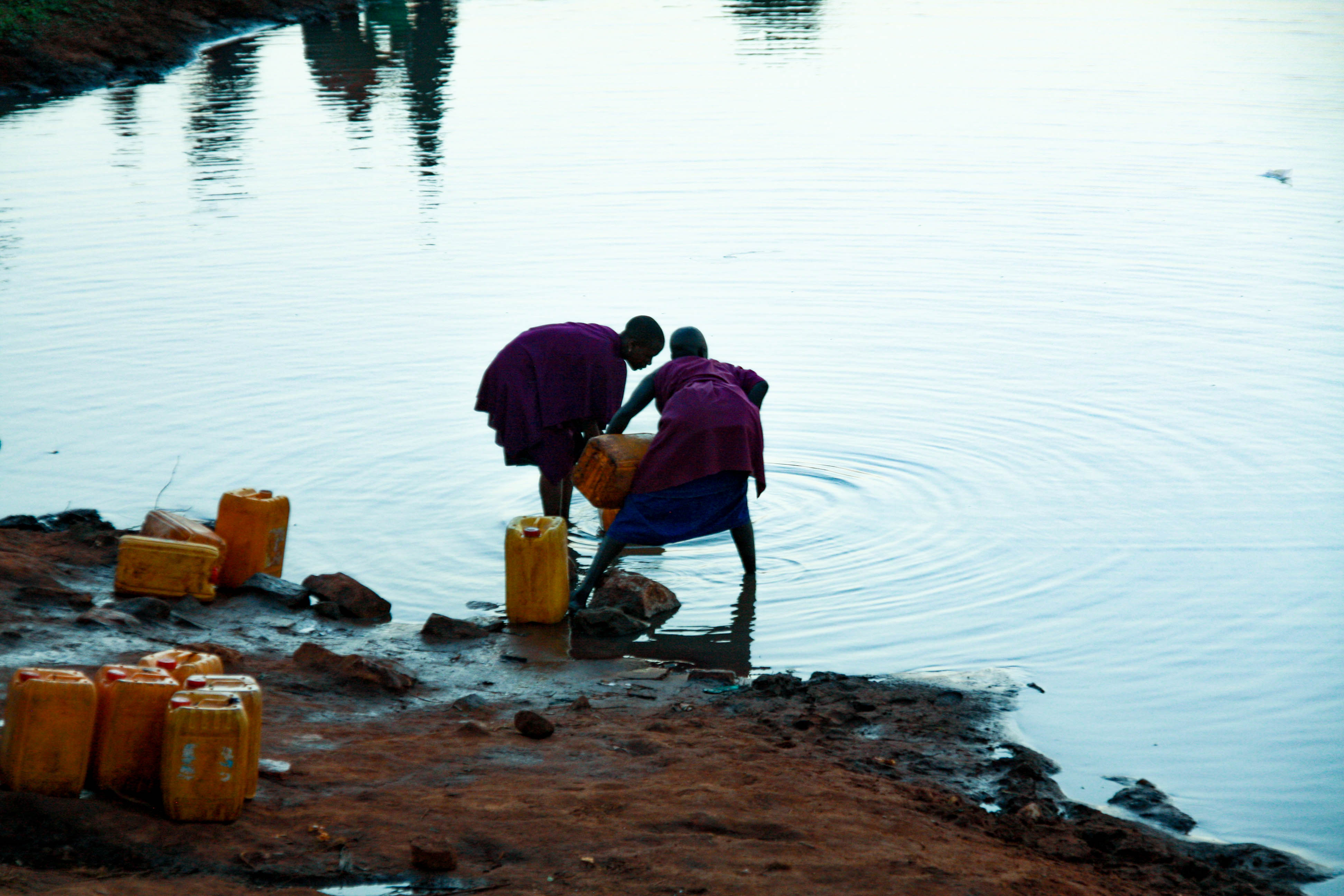
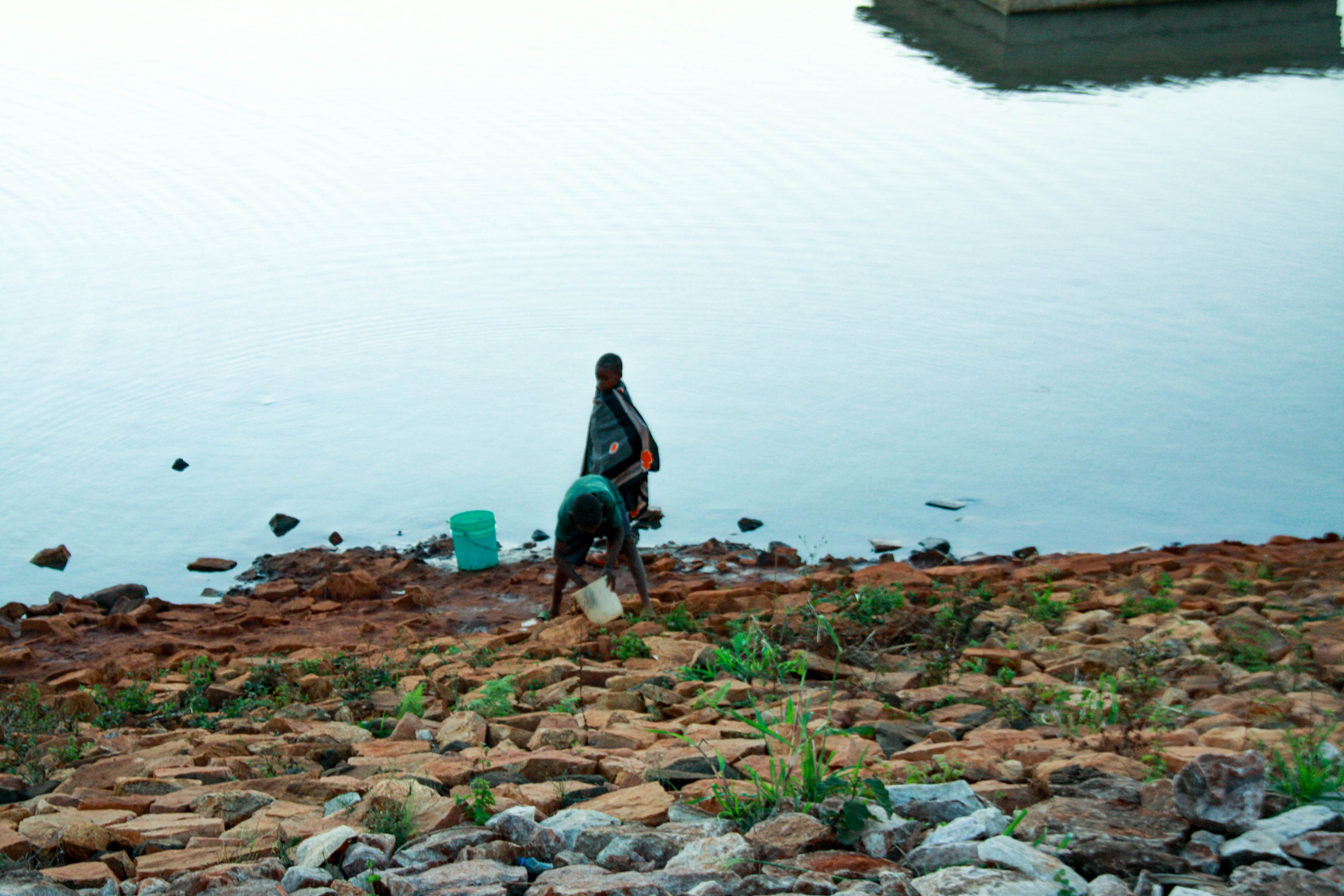
Many residents currently walk long distances to access unprotected, contaminated water sources, exposing them to health risks. This project directly supports government efforts by improving water access and safe storage at household level. The goal is to select specific households with the largest roof surfaces in a block, which can then provide the entire household block with access to safe water.
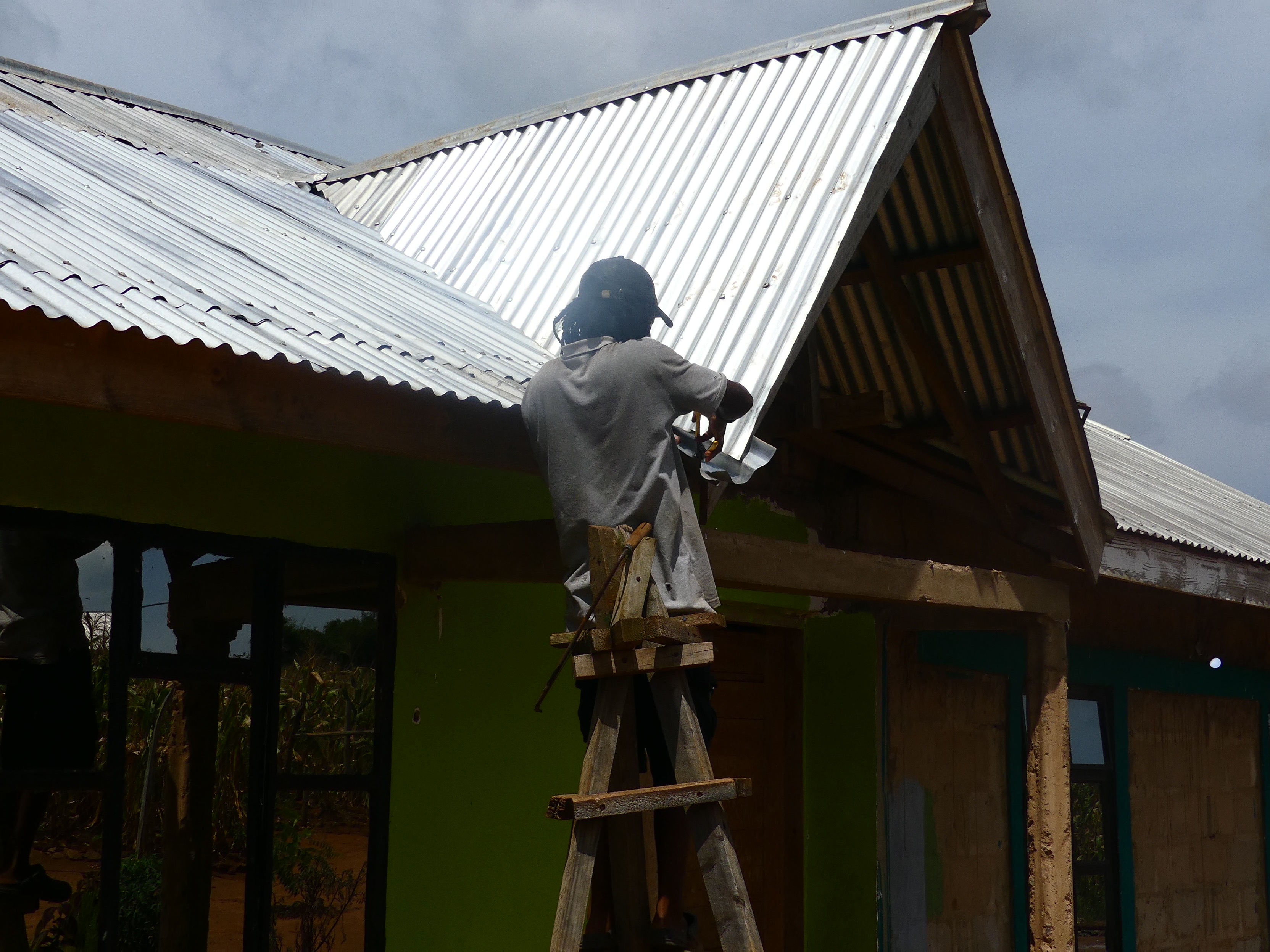
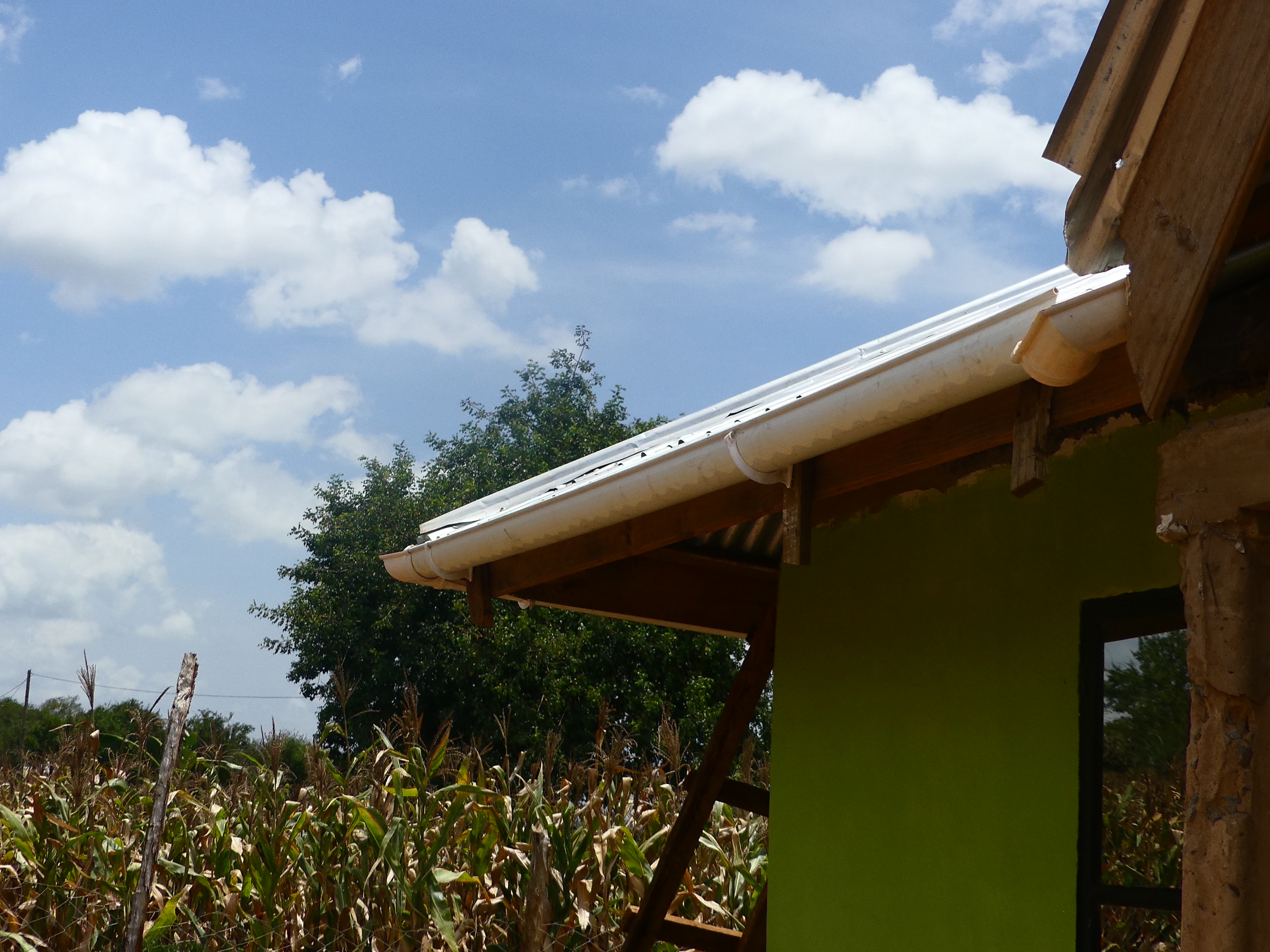
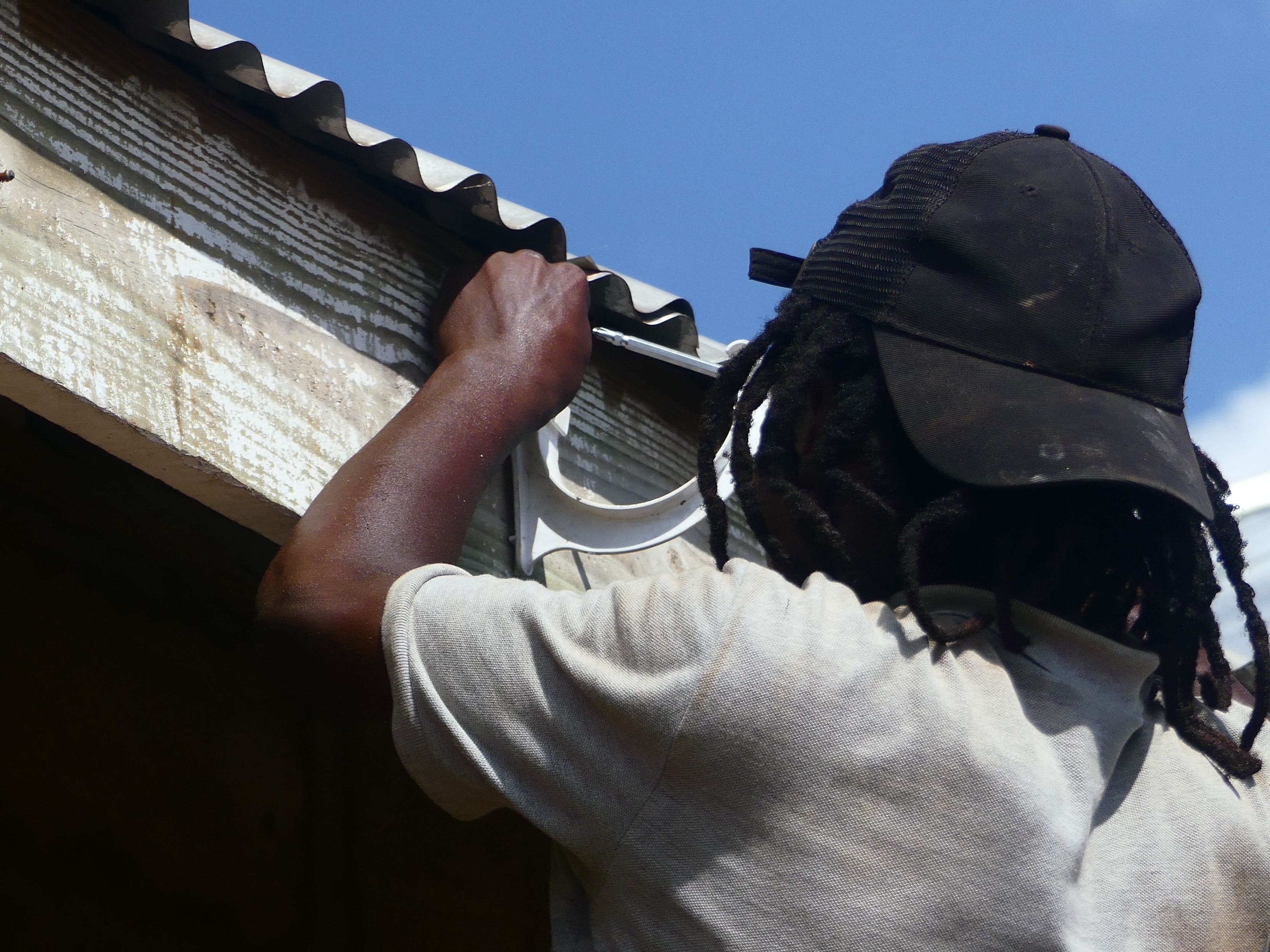
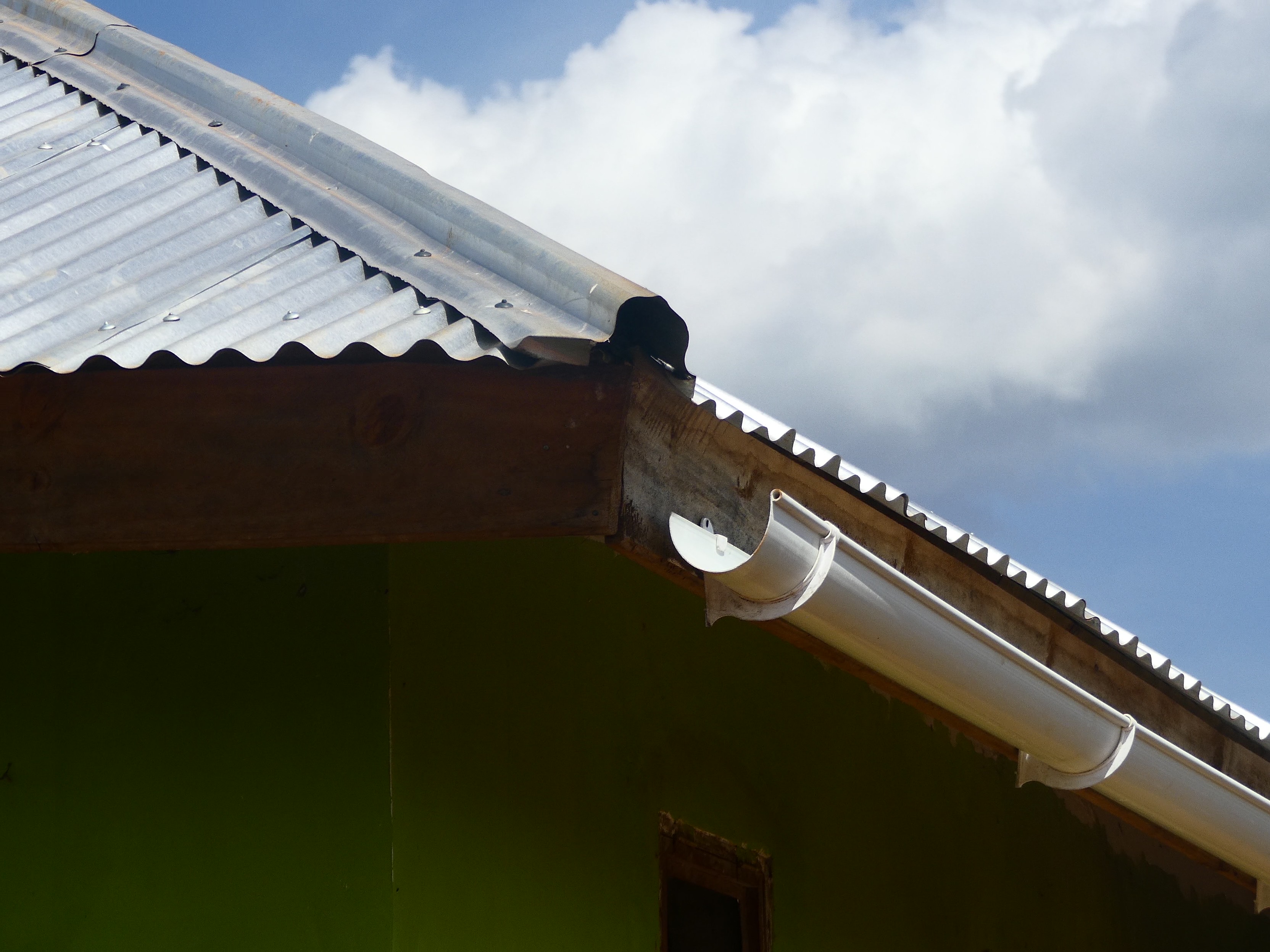
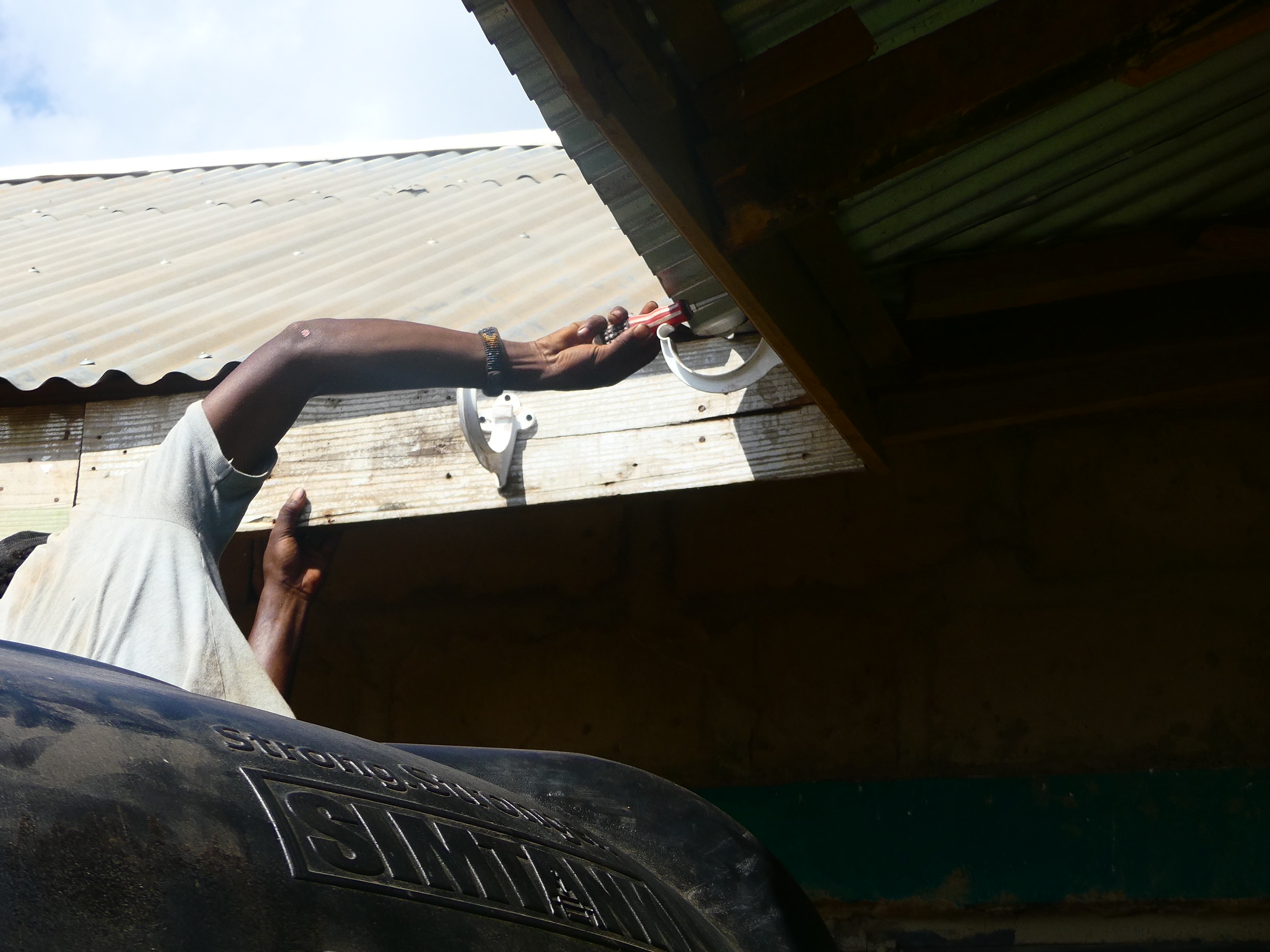
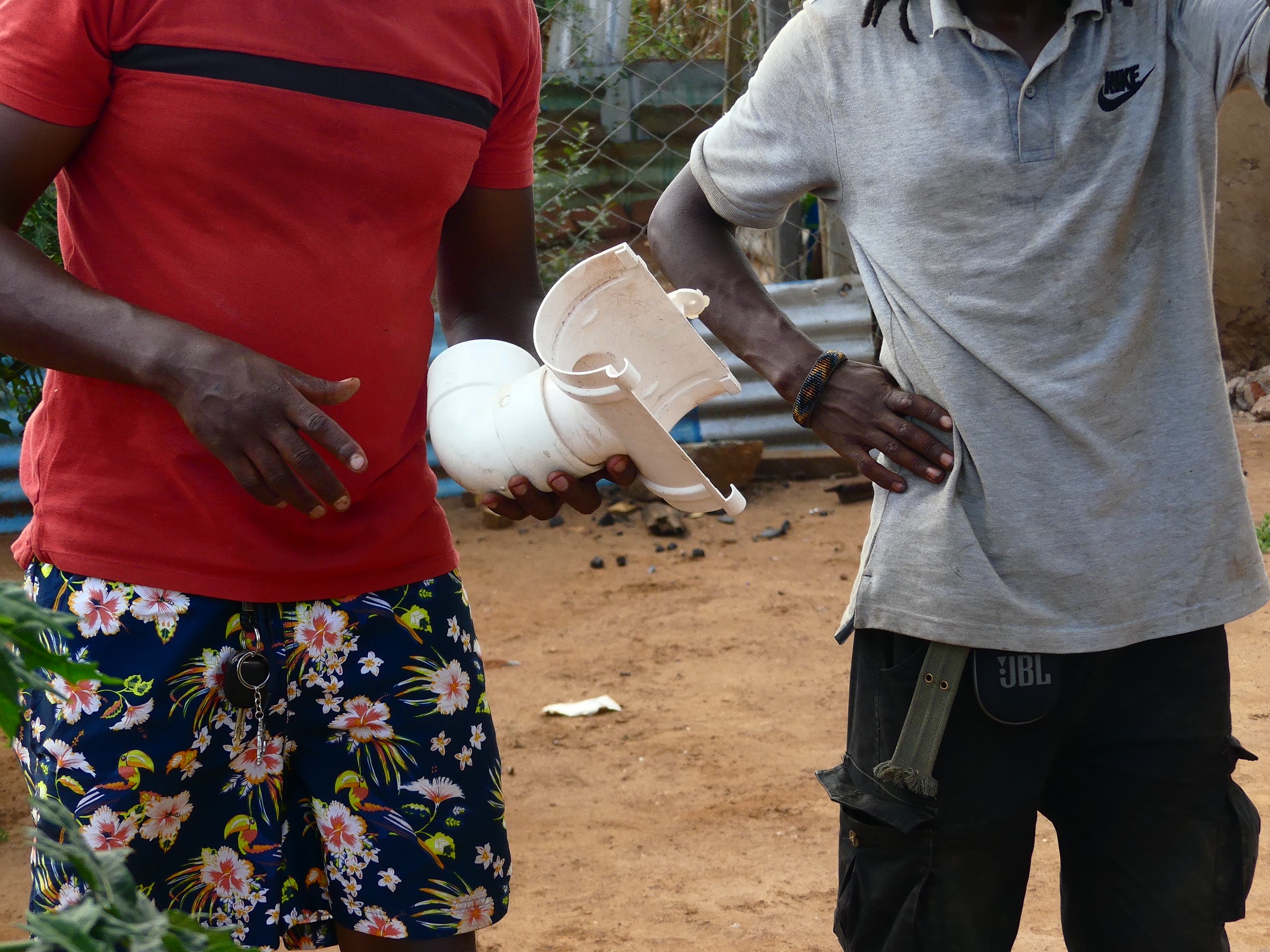
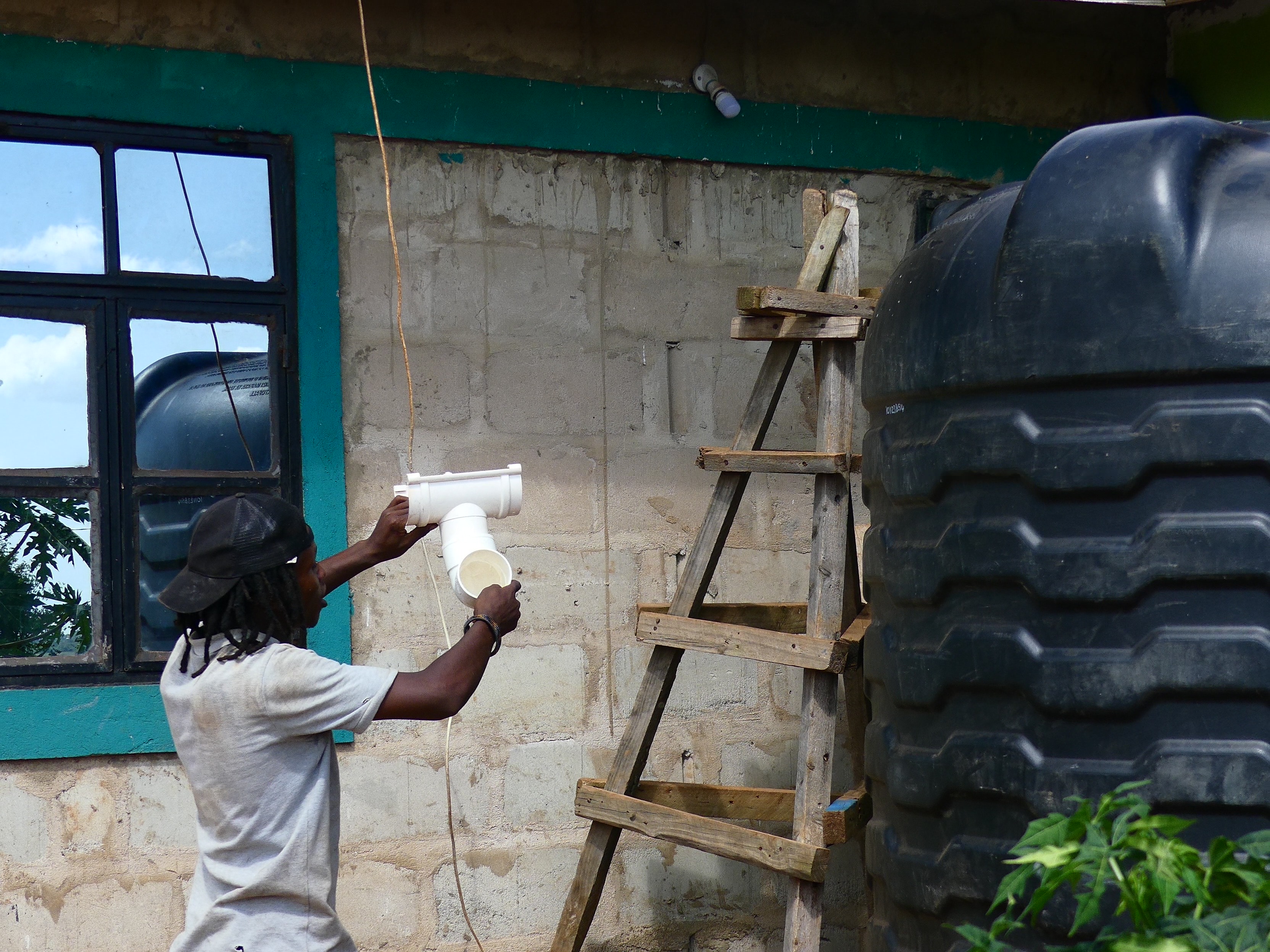
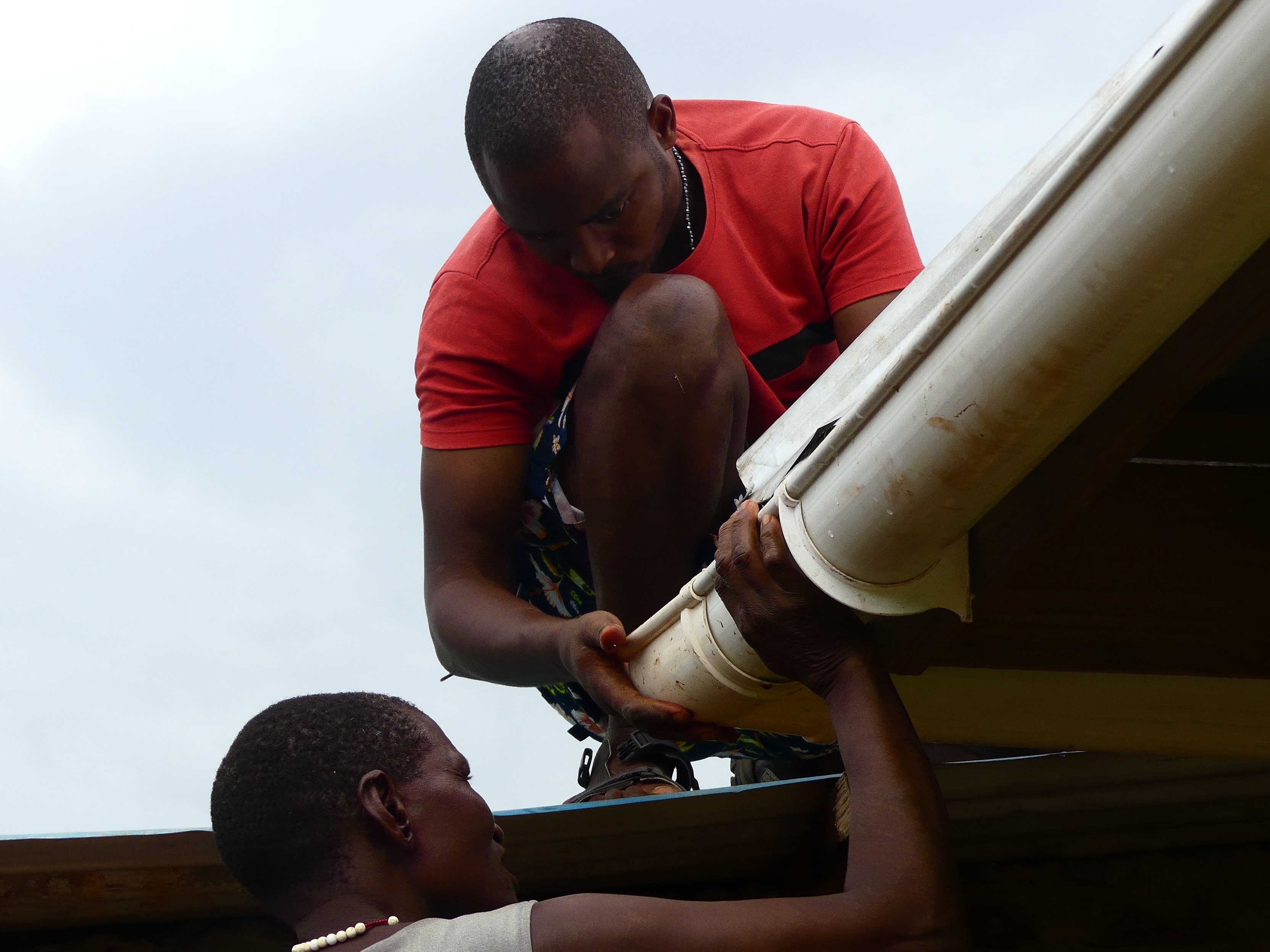
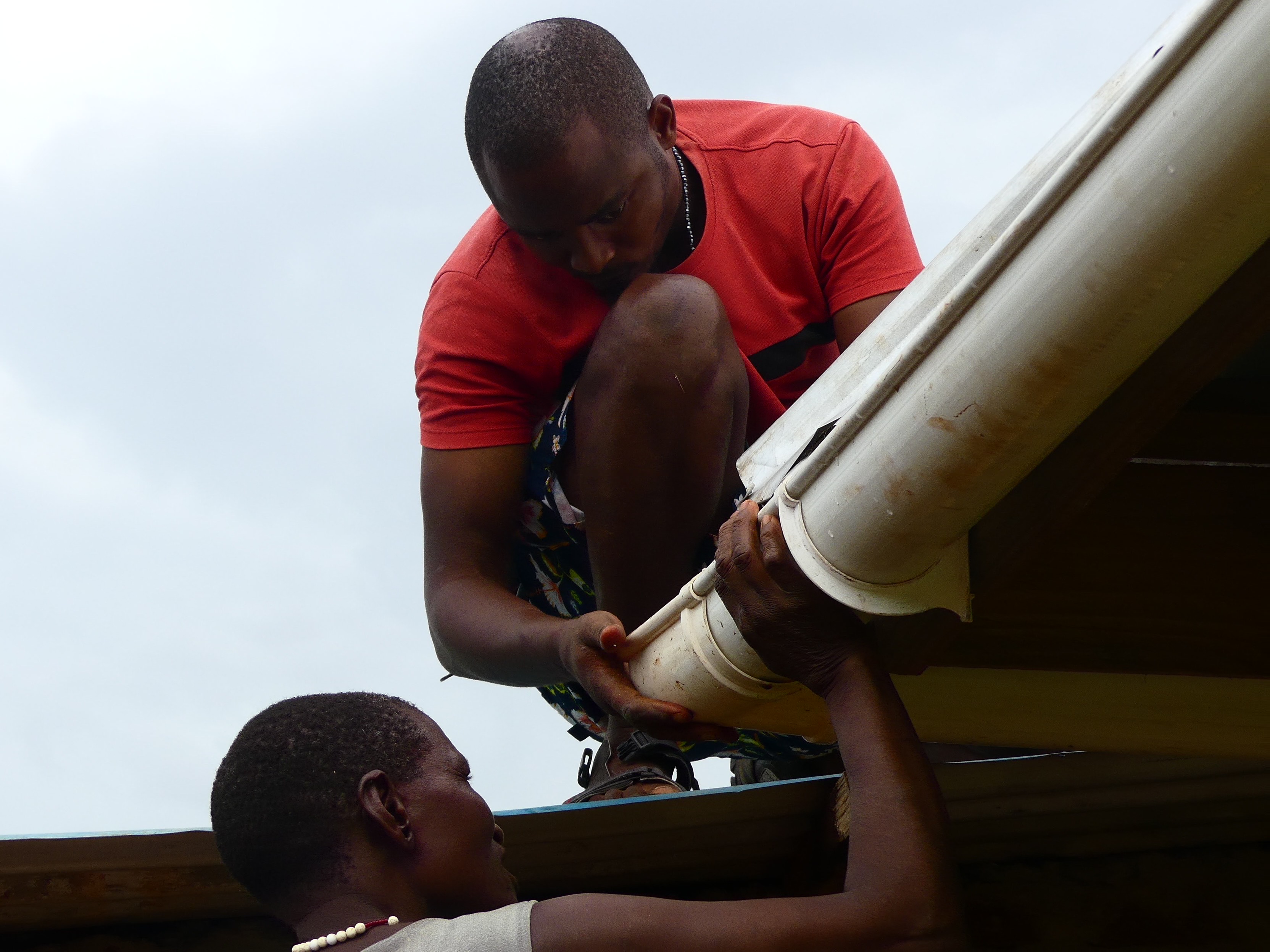
In February 2024, REMO implemented a pilot rainwater harvesting system and distributed water filters in Msomera. The system operated effectively through the rainy season and provided stored water for 50+ people, informing the scaled approach presented here.
Event Timeline
This project is scheduled for May 2026, starting on approximately 3–4 May, and will proceed with as many rainwater harvesting systems as funding permits. Each system can be implemented independently on a per-household basis.
Budget (Per Household)
The following budget is presented as a per-household cost table for clarity and accountability. One household gives water access to an entire household block (50+ people). All figures reflect current local market conditions. Materials are procured and organised through Handeni town, the nearest urban centre with reliable access to construction and water infrastructure supplies.
|
Item |
Description |
Cost (TSH) |
Cost (USD) |
|
Roof Catchment System – Gutters (4 units) |
Materials |
200,000 |
75 |
|
Household Rainwater Storage Facility (Tank) |
Materials |
1,300,000 |
490 |
|
Tank Base Construction |
Concrete, blocks, cement, labour |
400,000 |
151 |
|
Logistics & Supply Chain Support |
Procurement + transportation from Handeni |
200,000 |
75 |
|
Technical Supervision & Post-Installation Verification |
Quality control & oversight |
500,000 |
188 |
|
Contingency & Risk Mitigation |
Fuel, small materials, unforeseen costs |
150,000 |
55 |
|
Total Per Household |
|
2,750,000 |
≈1,035 |
This budget follows best practice within the WASH sector by including not only capital costs, but also implementation oversight and a realistic contingency allowance for rural deployment. Please note that, with more rainwater harvesting systems done at once, the cost per household decreases and the possibility to buy the materials from Dar es Salaam (bigger city, further away, but cheaper costs overall) becomes an option.
WASH Framework
WASH refers to Water, Sanitation, and Hygiene, a globally recognised sector framework used by governments, NGOs, and international donors to ensure safe, sustainable, and technically sound water and hygiene services. WASH standards focus on reliable access to safe water, appropriate infrastructure design, quality control, and long-term operational viability. Classifying this project as a WASH intervention ensures alignment with established public-health and technical standards, and supports coordination with district authorities and funding partners.
https://www.unicef.org/water-sanitation-and-hygiene-wash
https://www.unwater.org/water-facts/wash-water-sanitation-and-hygiene
How You Can Help
If you would like to support this project and help ensure access to safe water in Msomera:
- Donate: Your financial support enables the construction of rainwater harvesting systems and the delivery of education on their use and maintenance. Every donation contributes directly to improved health and resilience.
- Spread the Word: Help raise awareness by sharing this project with your networks. Wider visibility increases impact.
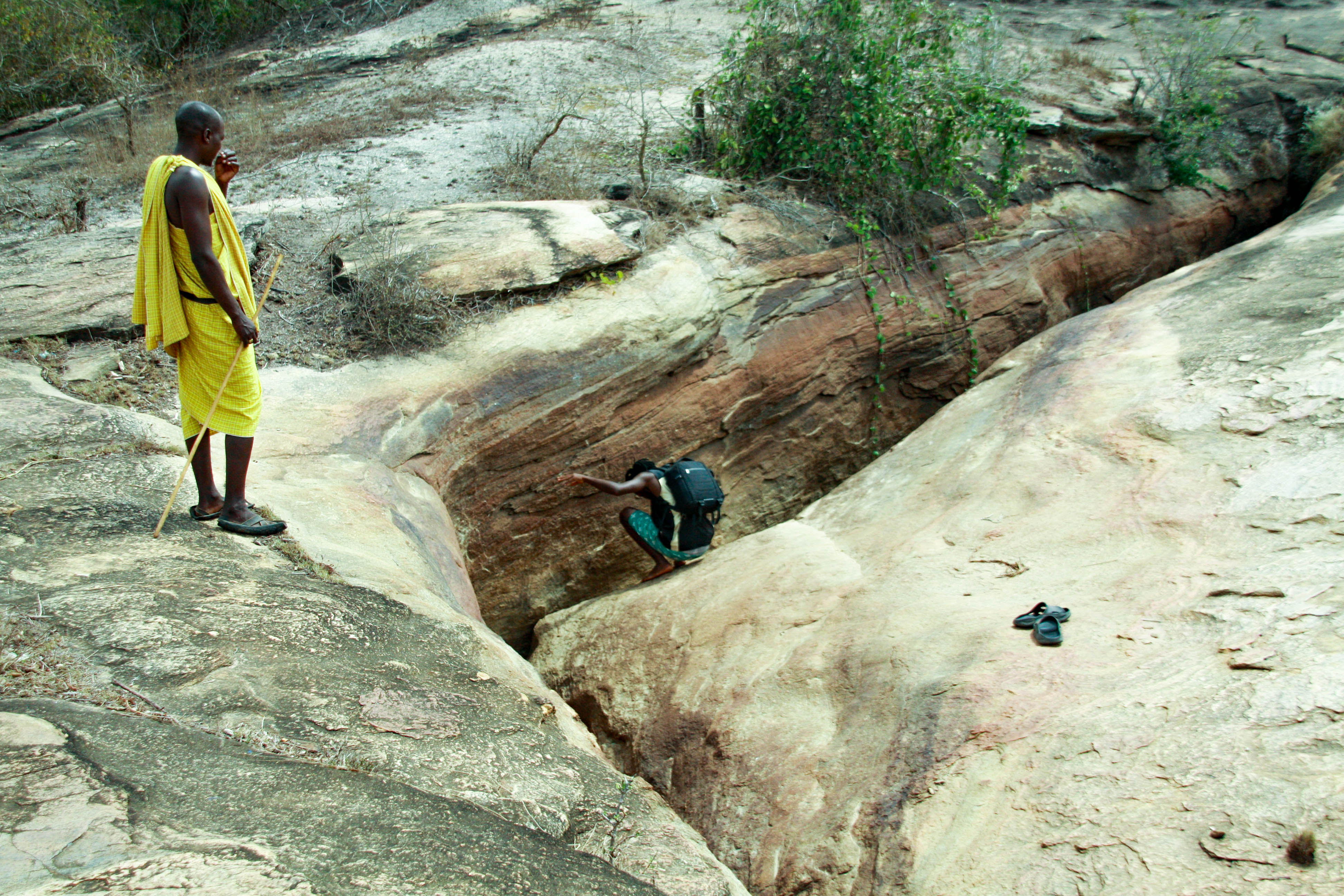
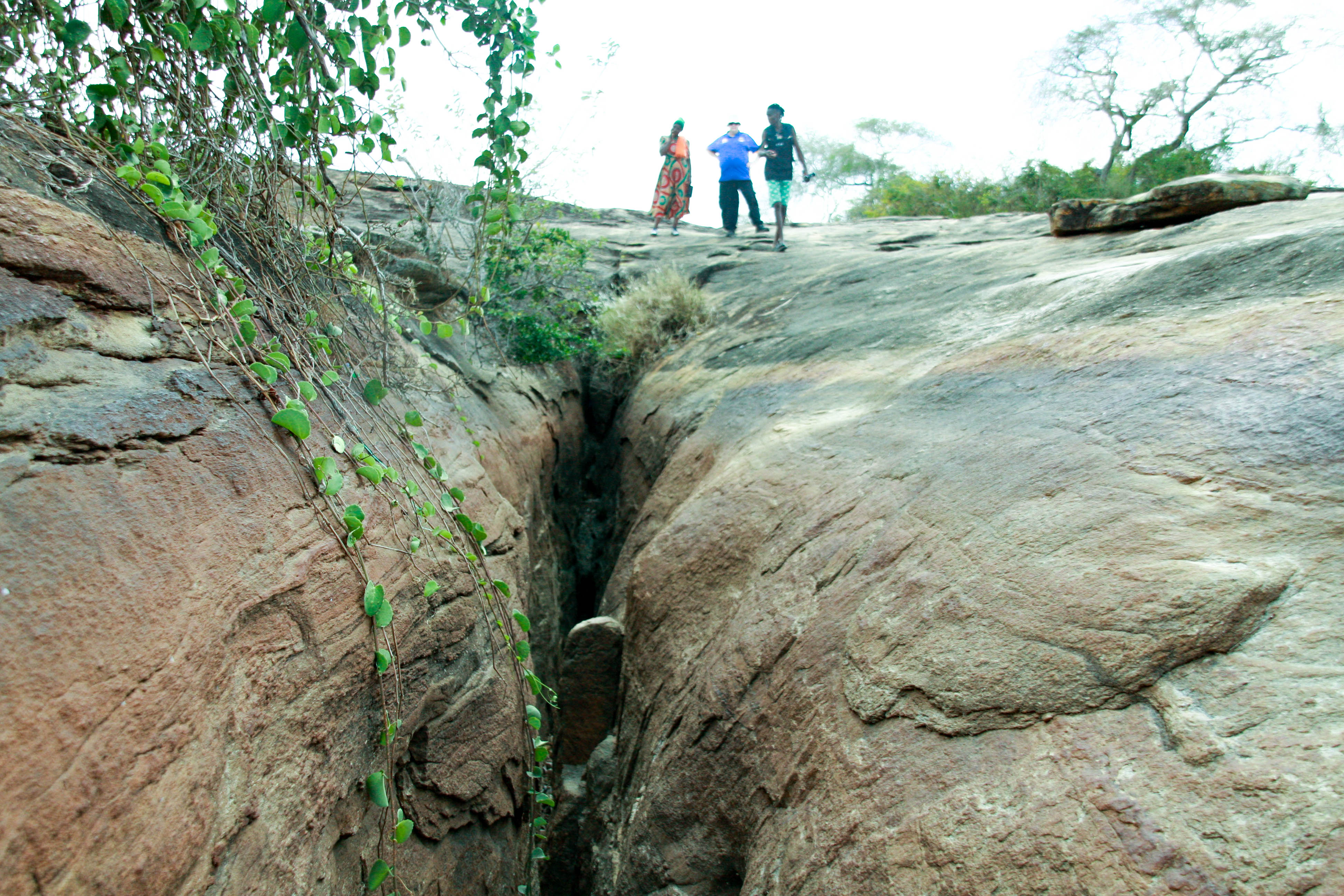
Below you'll find a few photos from phase 1 of this project. More documentation and media can be found under the project description ("Our Projects") and our YouTube channel.