Women's Economic Initiative
Preserving Culture. Creating Opportunity.
Across Tanzania, women play a central role in sustaining families and communities, yet they often have the fewest economic opportunities. Limited access to income, education, and markets means many women remain financially dependent, despite having valuable skills and deep cultural knowledge. This imbalance affects not only women themselves, but also their children’s education, household stability, and long-term community resilience.
At REMO, we see women’s economic empowerment as a foundation for sustainable development. When women gain skills, confidence, and the ability to earn an income, the impact reaches far beyond the individual — it strengthens families and preserves cultural identity.
The Pilot Phase: Women’s Beadwork in Msomera
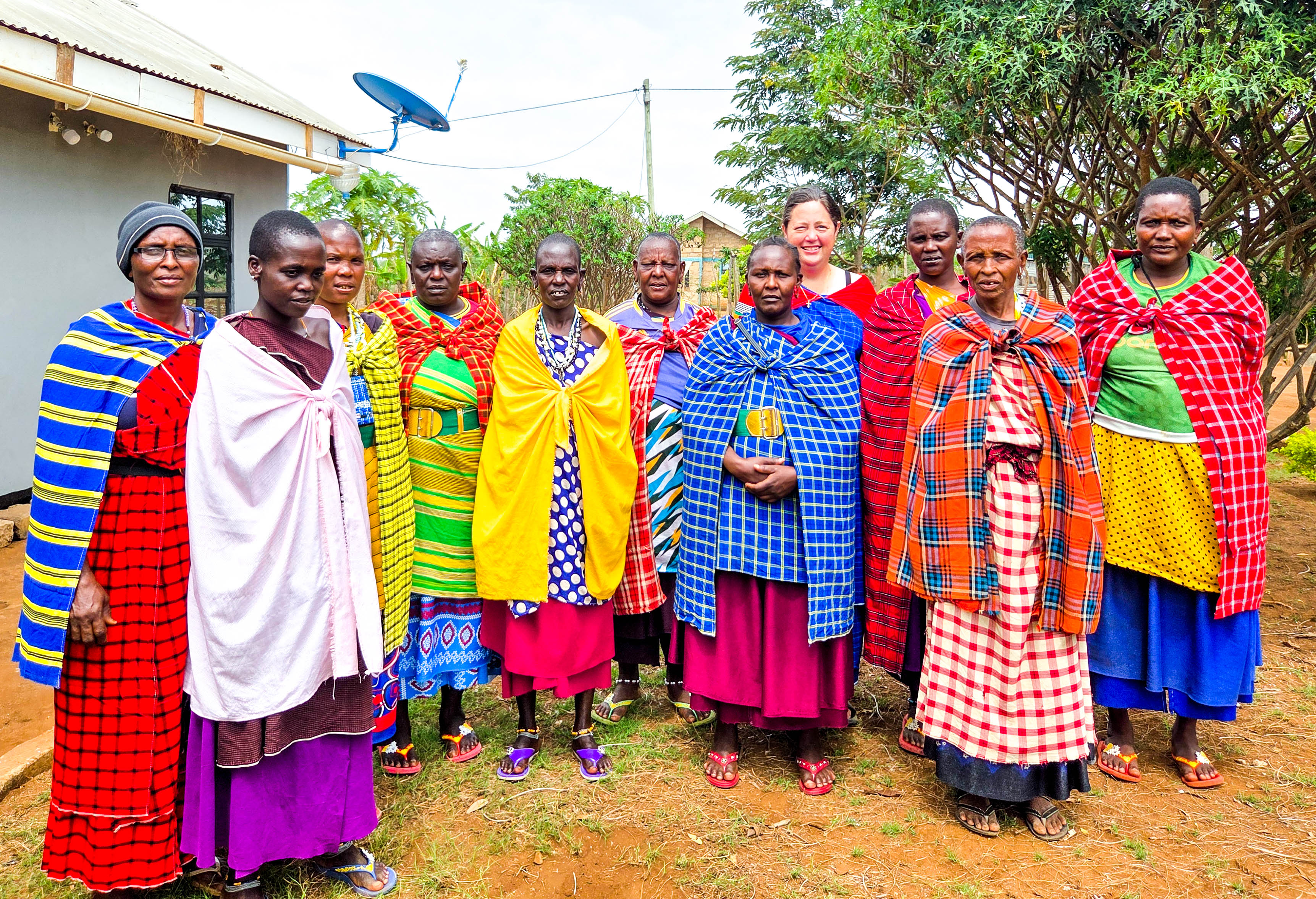
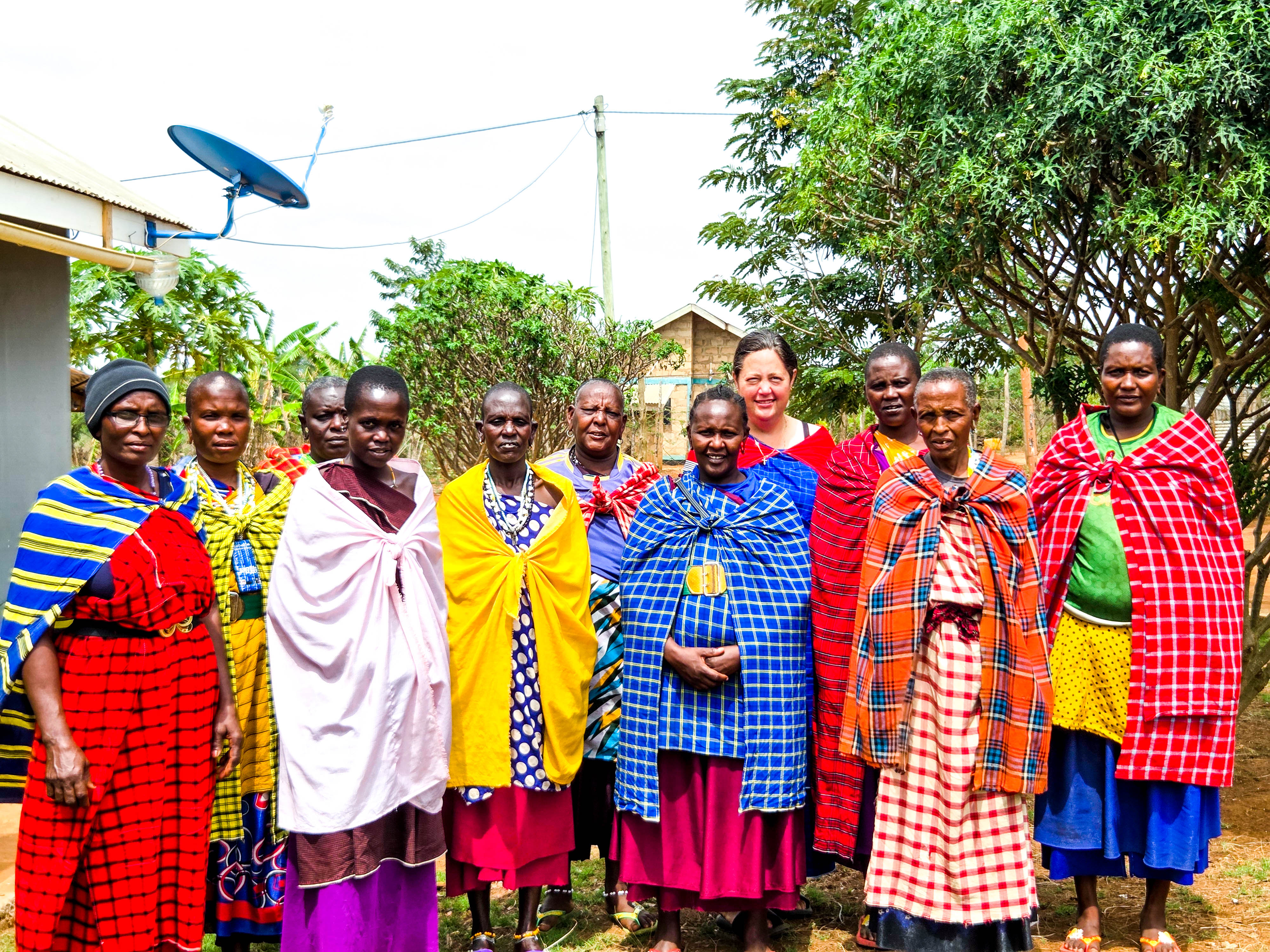
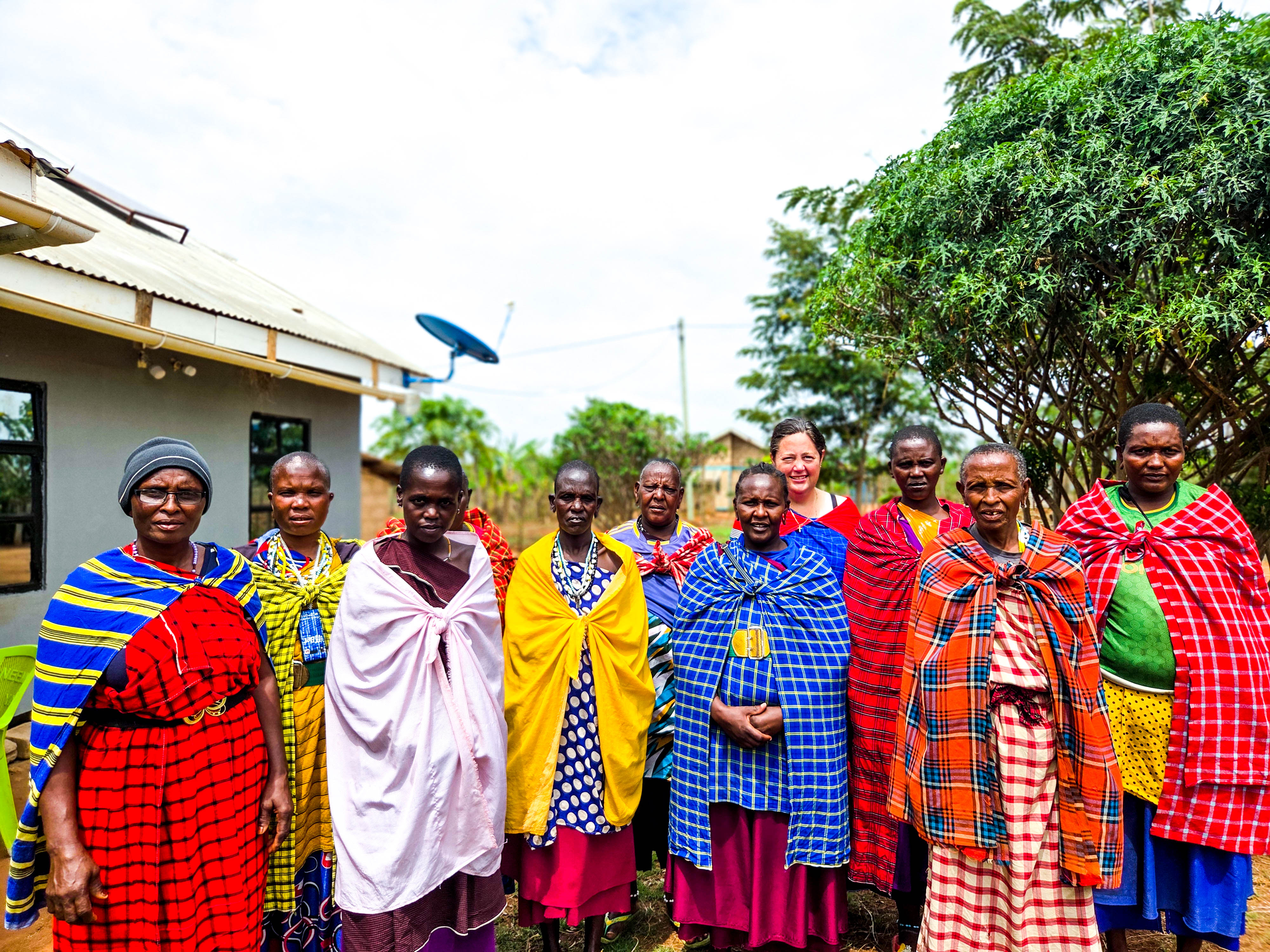
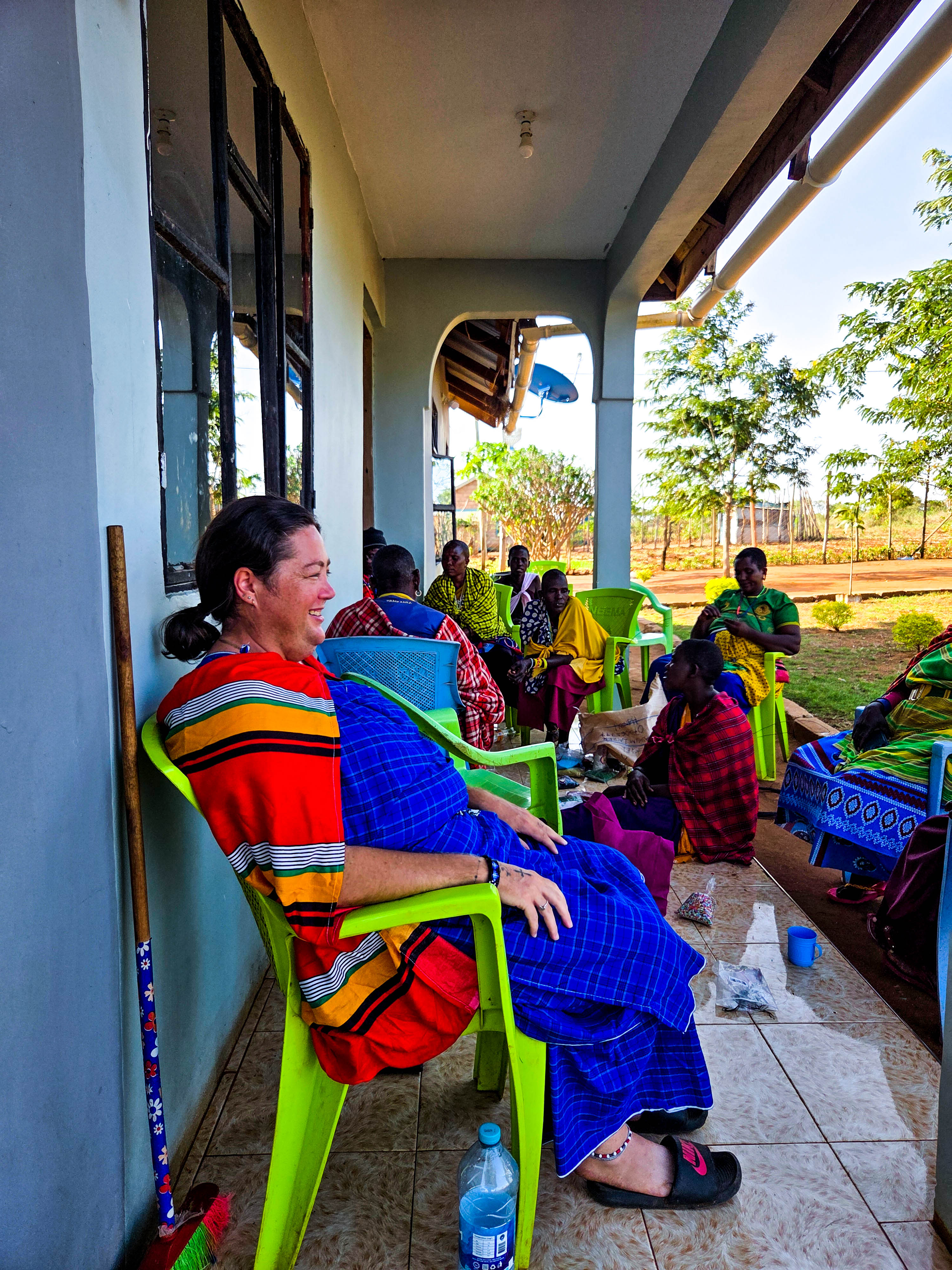
In January 2026, REMO launched the Women’s Beadwork Empowerment Initiative in Msomera Village with the help from Jasmin Cockram (Founding Member & Volunteer) and Ezekiel Ashumu (Program Manager). Now you might ask, why Msomera? Well, Msomera Village is a resettlement area for Maasai families relocated from Ngorongoro and is facing particularly acute challenges. The loss of land, livelihoods, and established economic structures has left many households struggling to adapt. When we initially went there in 2024, we saw that many women were asking for help to finance their children's education. While willing to work, there is a clear lack pf opportunities to generate income, especially for women. You'll see that many of our projects currently focus in this region because of such ongoing issues.
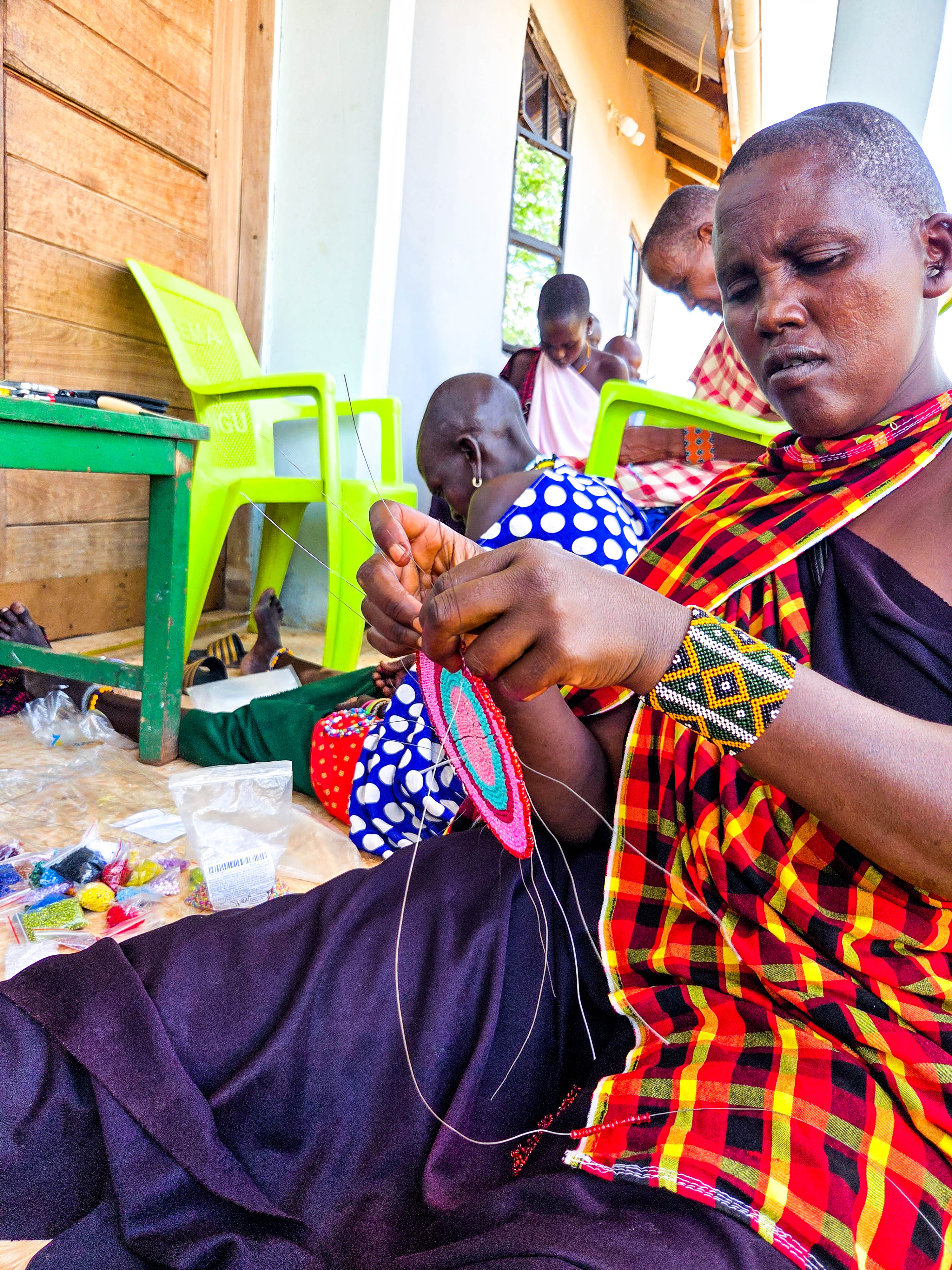
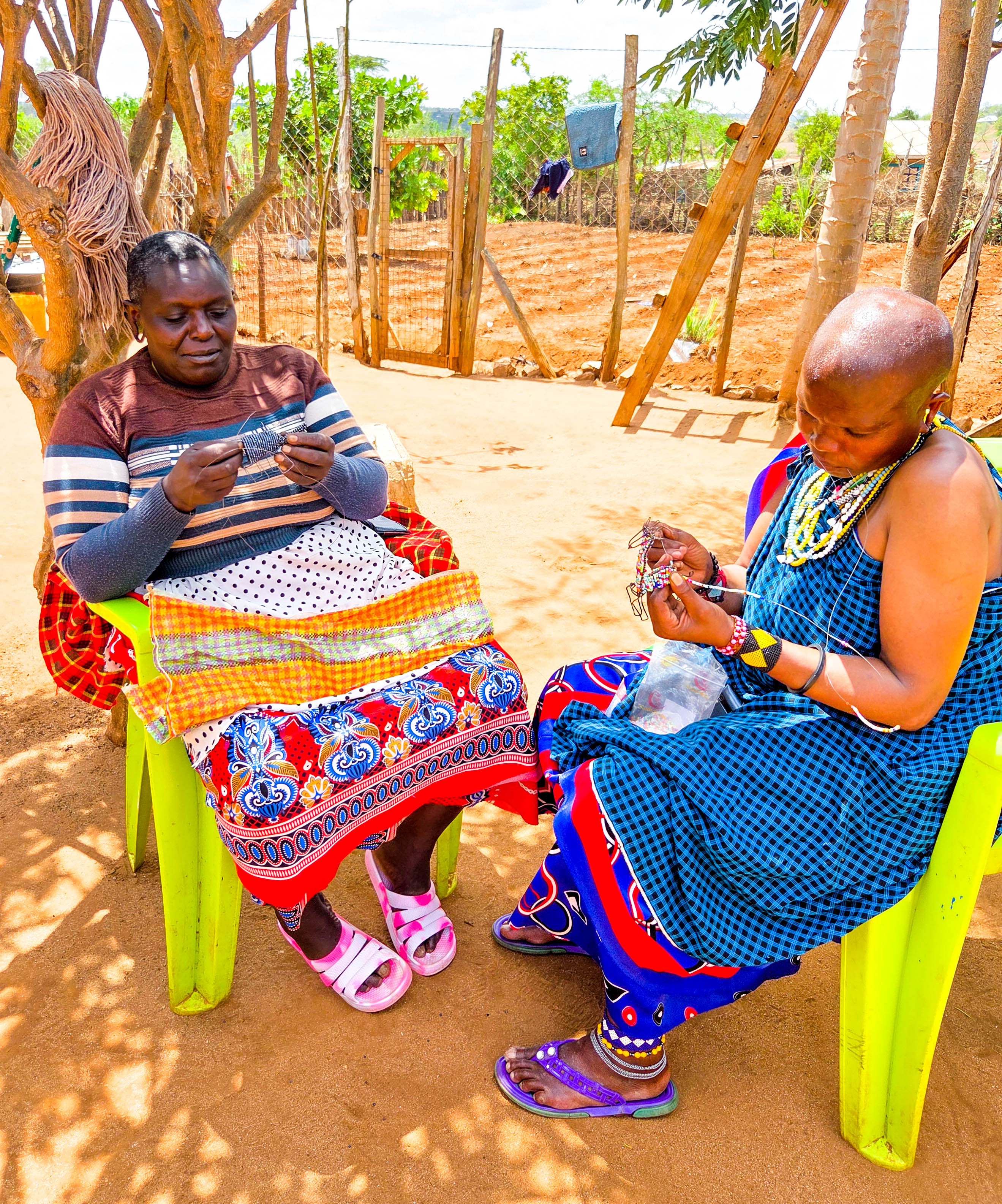
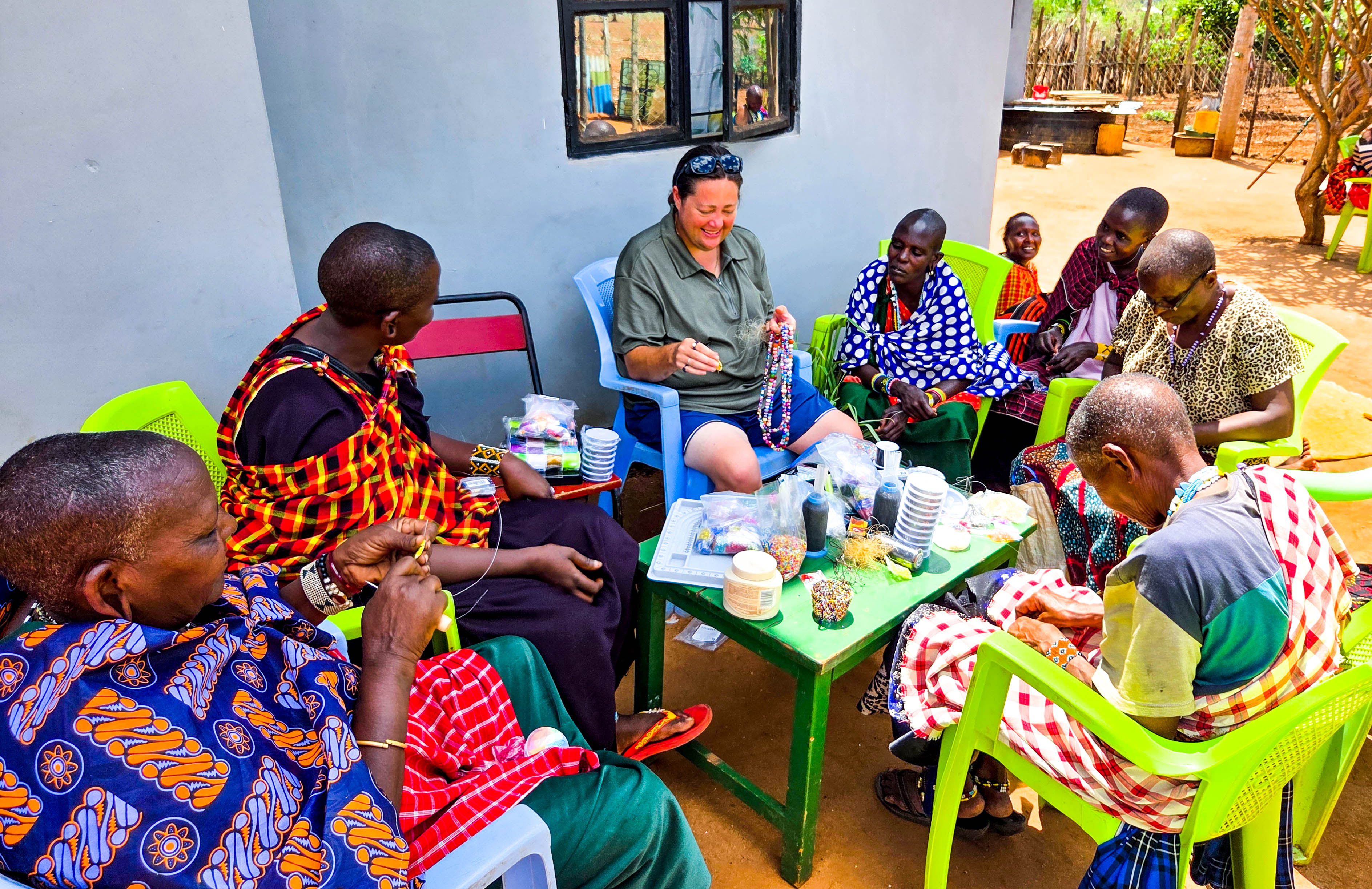
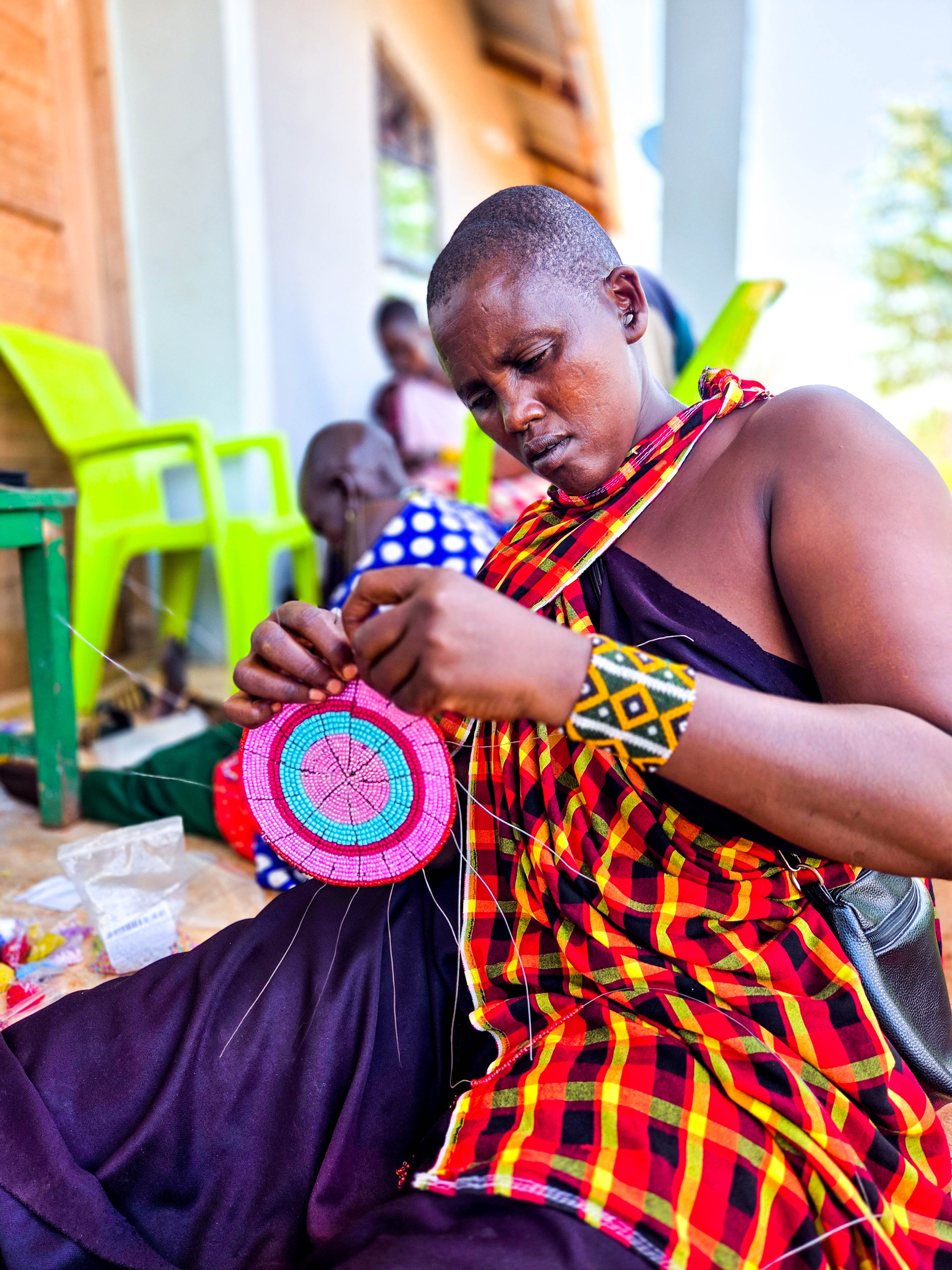
Through close collaboration with the community, REMO identified traditional Maasai beadwork as both a cultural asset and a realistic economic opportunity. Beadwork has long been part of Maasai heritage, yet changing conditions and lack of market access have pushed it to the margins. Hence, in our pilot phase, 10 women artisans were selected through community consultation to participate in a one-week training program.
The project focused on:
-
Developing advanced beadwork skills, combining traditional Maasai patterns with contemporary design elements
-
Improving quality, colour use, and finishing, ensuring products meet market standards
-
Introducing basic business and financial literacy, including pricing, material management, and cooperative principles
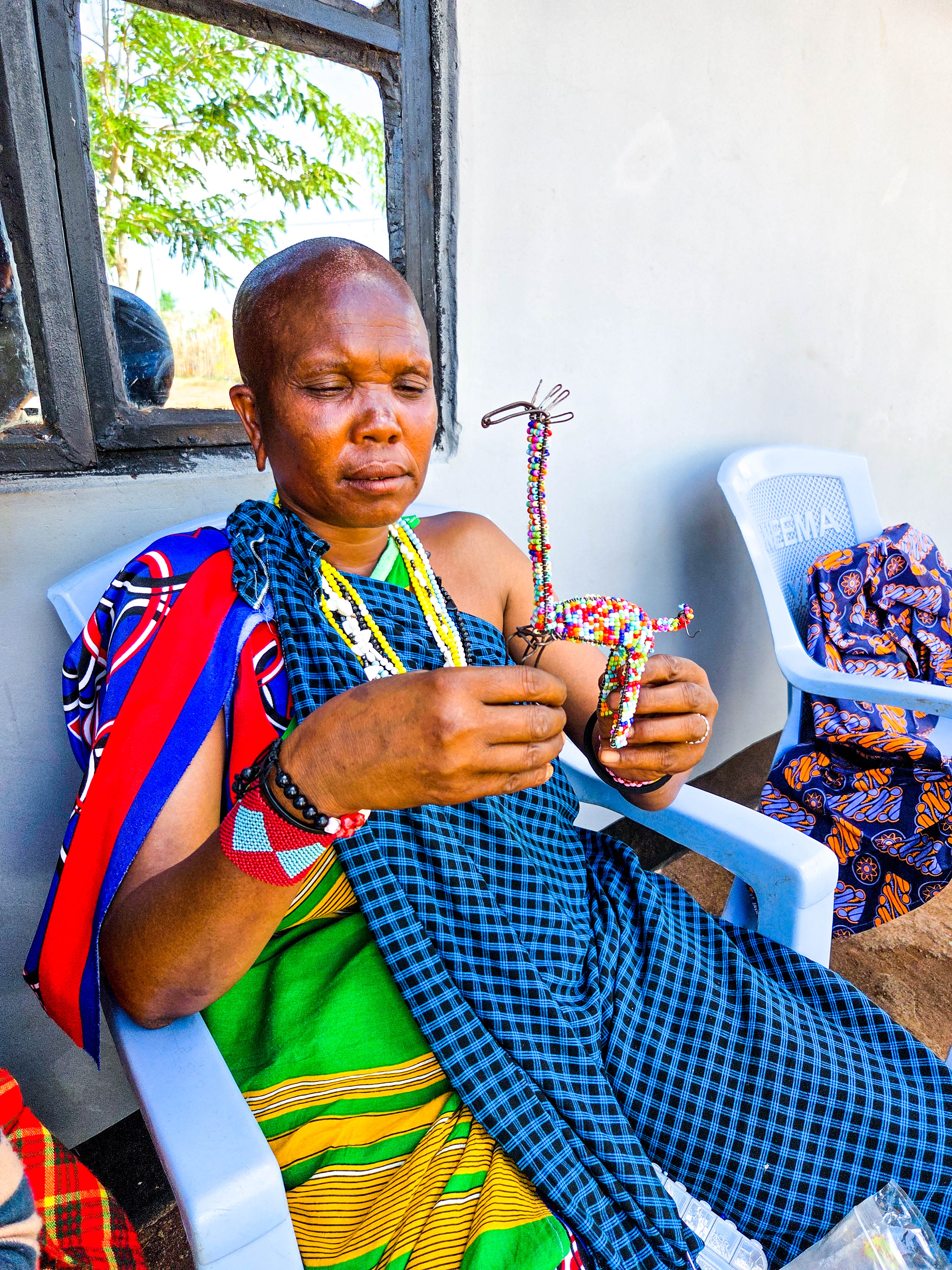
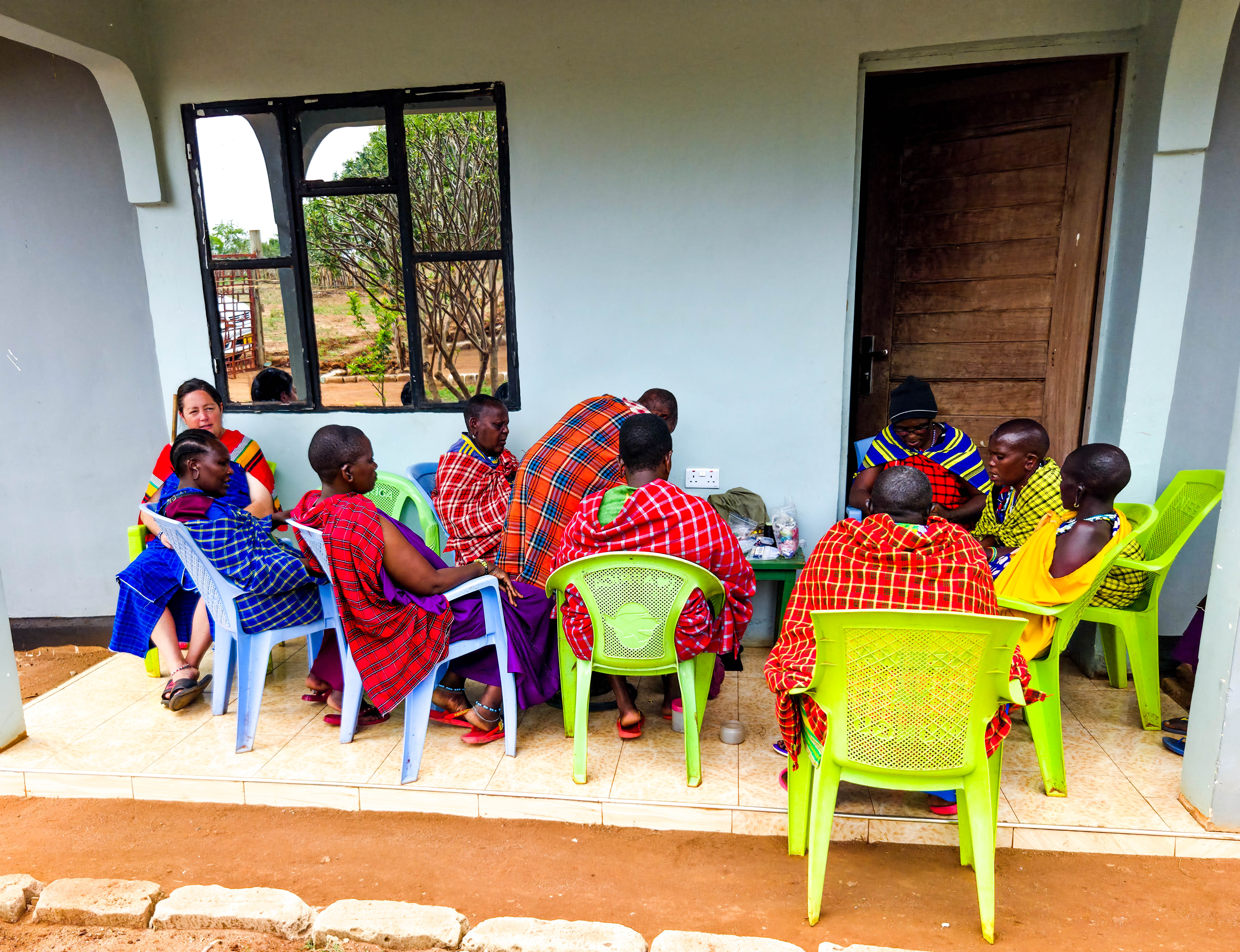
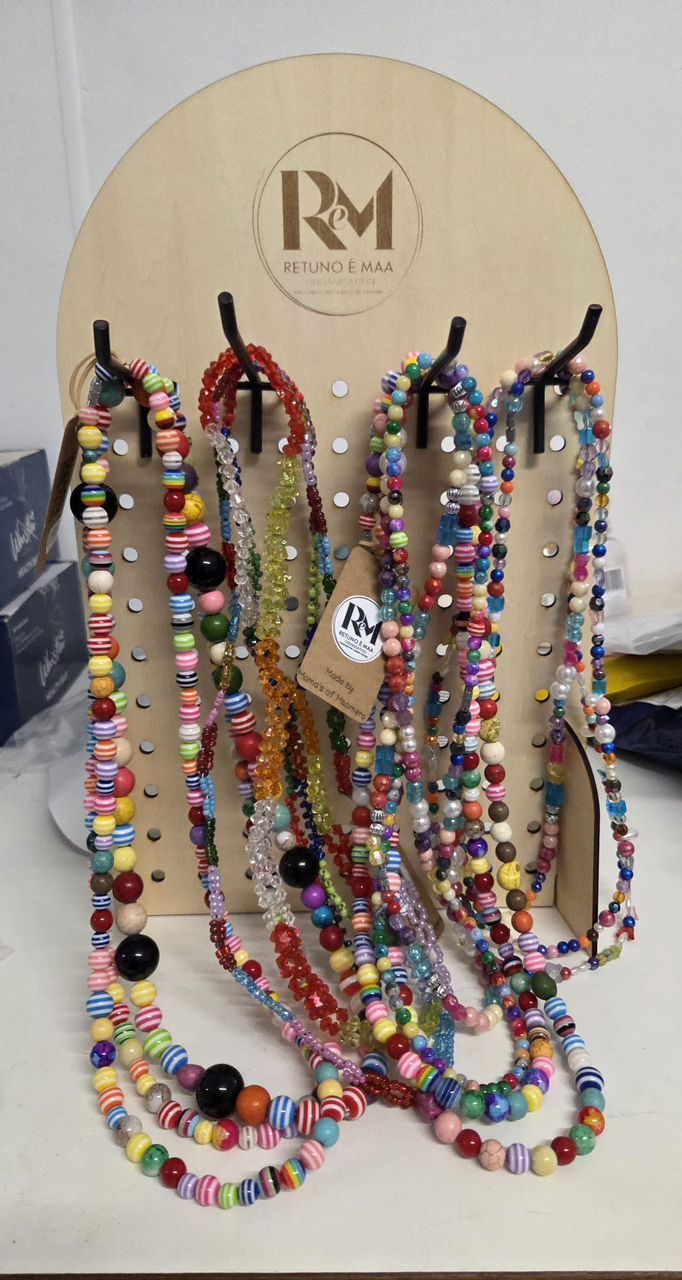
Participants learned to create necklaces, bracelets, earrings, keychains, and decorative items using locally sourced materials. Beyond technical skills, the training emphasised collaboration and confidence-building, laying the groundwork for collective economic activity.
The Impact So Far
The women meet once per week to participate in objectives and activities and the effects of this phase are already visible. Women who previously had little or no independent income are now producing sellable goods and working collectively toward shared goals. Increased income potential means greater ability to contribute to household needs, including children’s education.
Equally important is the strong interest shown by other women in the community, highlighting both the relevance of the project and the scale of unmet need.
Looking Ahead: From Training to Cooperative (Phase 2)
The pilot phase in Msomera was intentionally small and focused. Its purpose was to test the approach, build trust within the community, and lay the groundwork for longer-term economic empowerment. While the initial training phase has been completed, the transition toward a cooperative model is planned for the next phase, starting around May 2026. You can find more information about this next phase on the "Our Events" tab on the website.
In this upcoming phase, REMO aims to support the establishment of the Msomera Beadwork Cooperative, allowing participants to move from individual skill development toward collective, sustainable production. The cooperative model is designed to strengthen collaboration and long-term self-reliance.
While beadwork remains the focus for now, the Women’s Economic Initiative is designed to grow beyond a single activity. Future phases will explore other income-generating opportunities based on women’s skills, interests, and local conditions.
For the time being, Msomera remains our priority. This is not because it is the only place in need, but because it is where the need is most immediate, where trust and collaboration are already firmly established thanks to our past experience in the region.