Transforming Water Access in Msomera, Tanzania
From Flowing Rivers to Empty Buckets
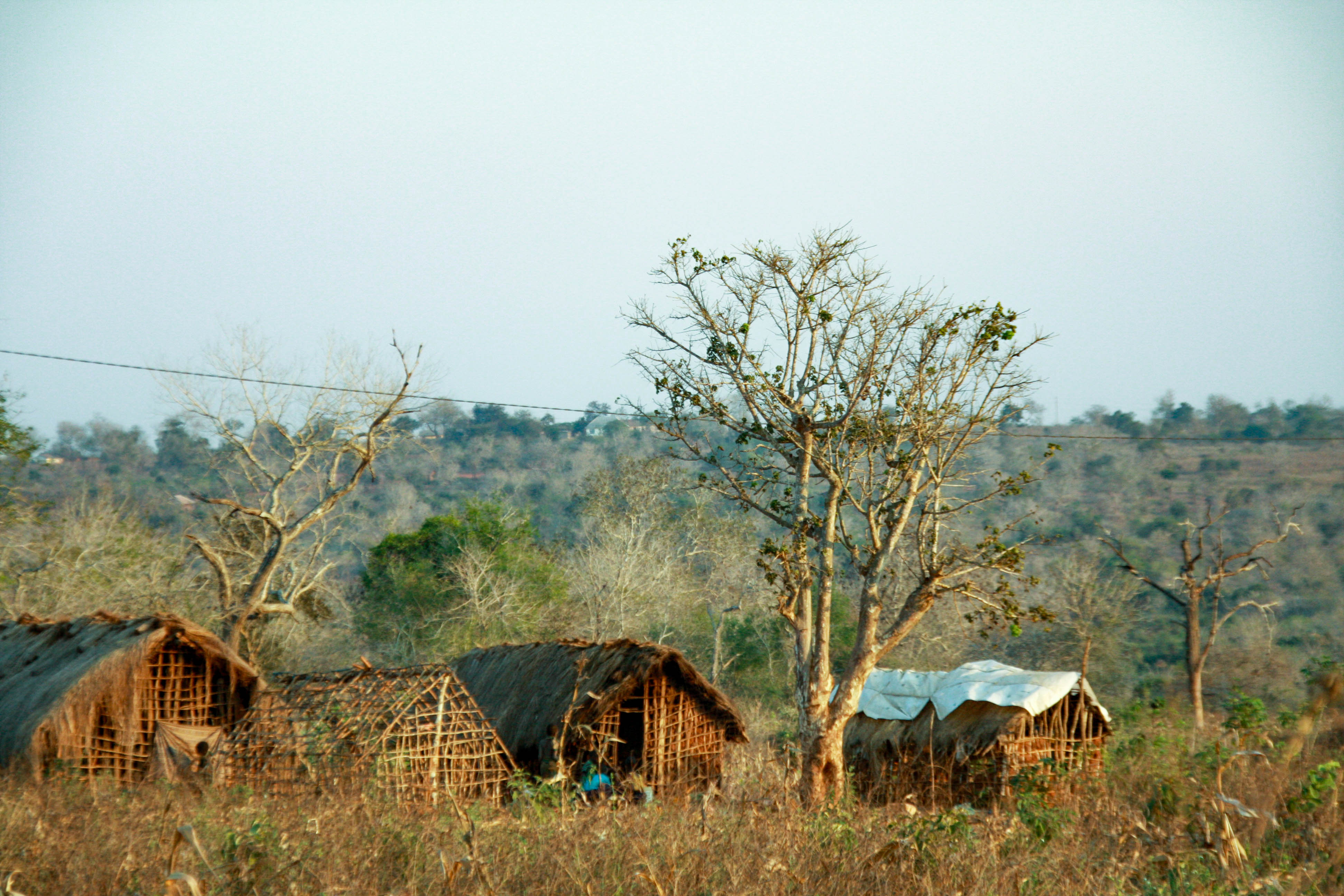
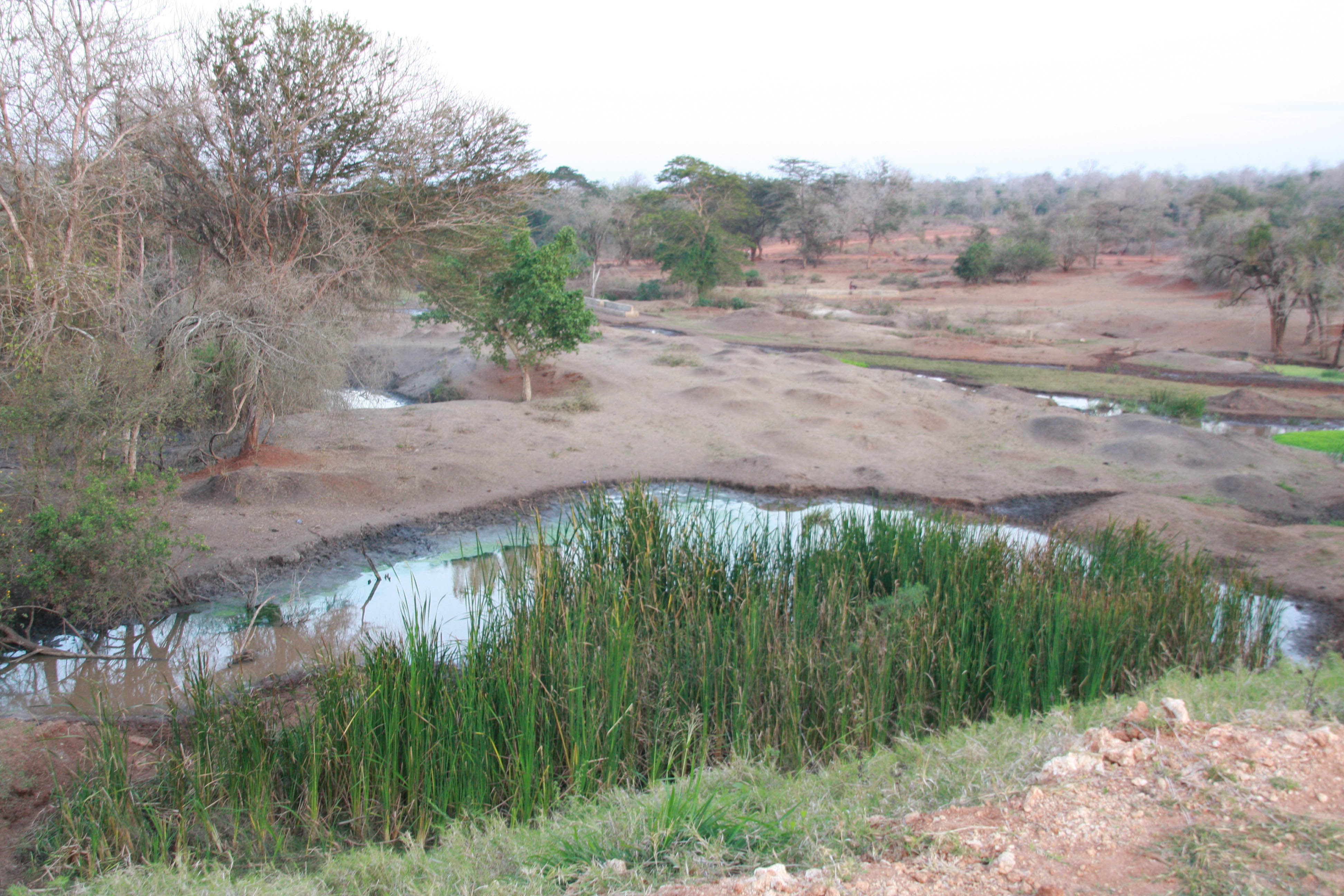
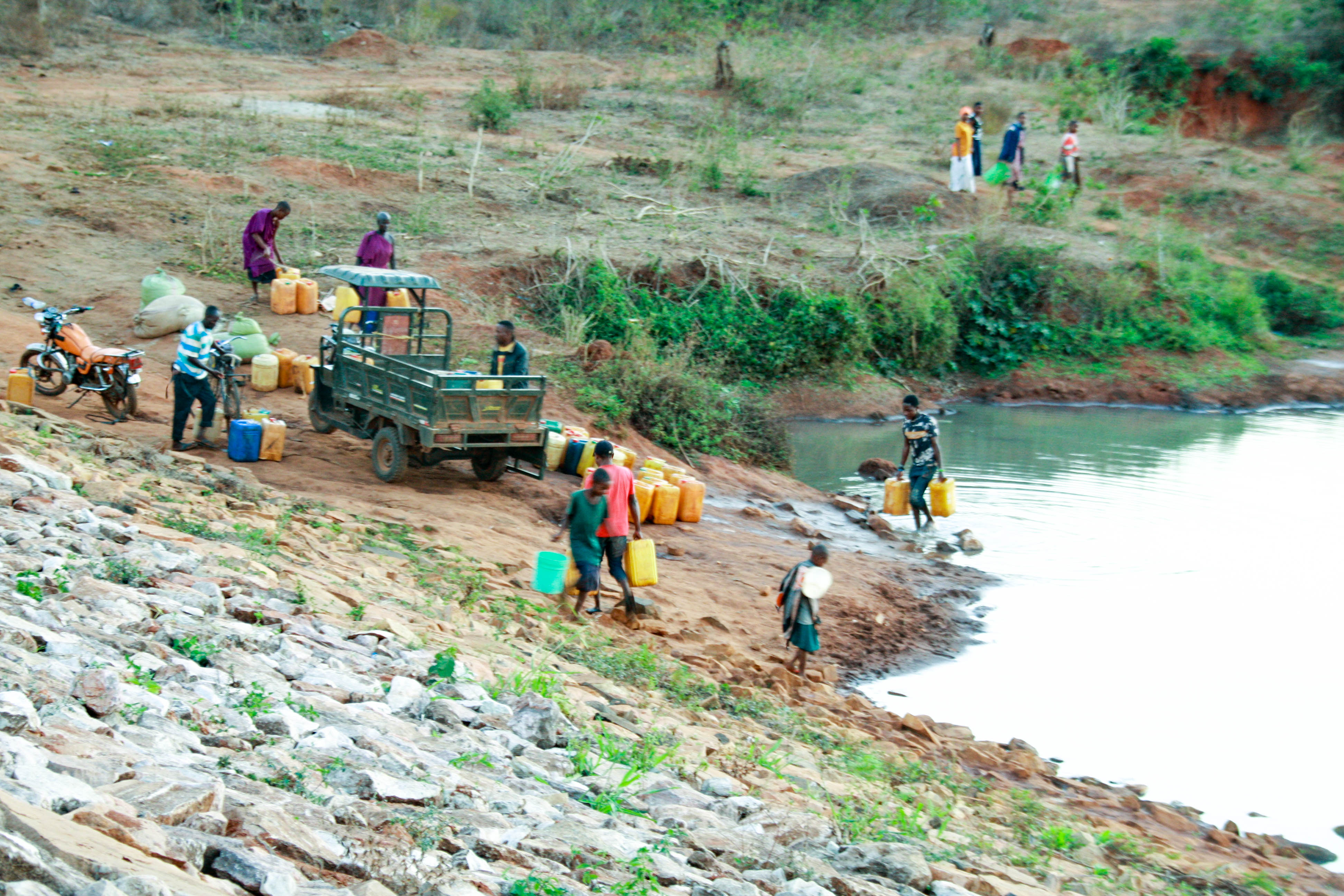
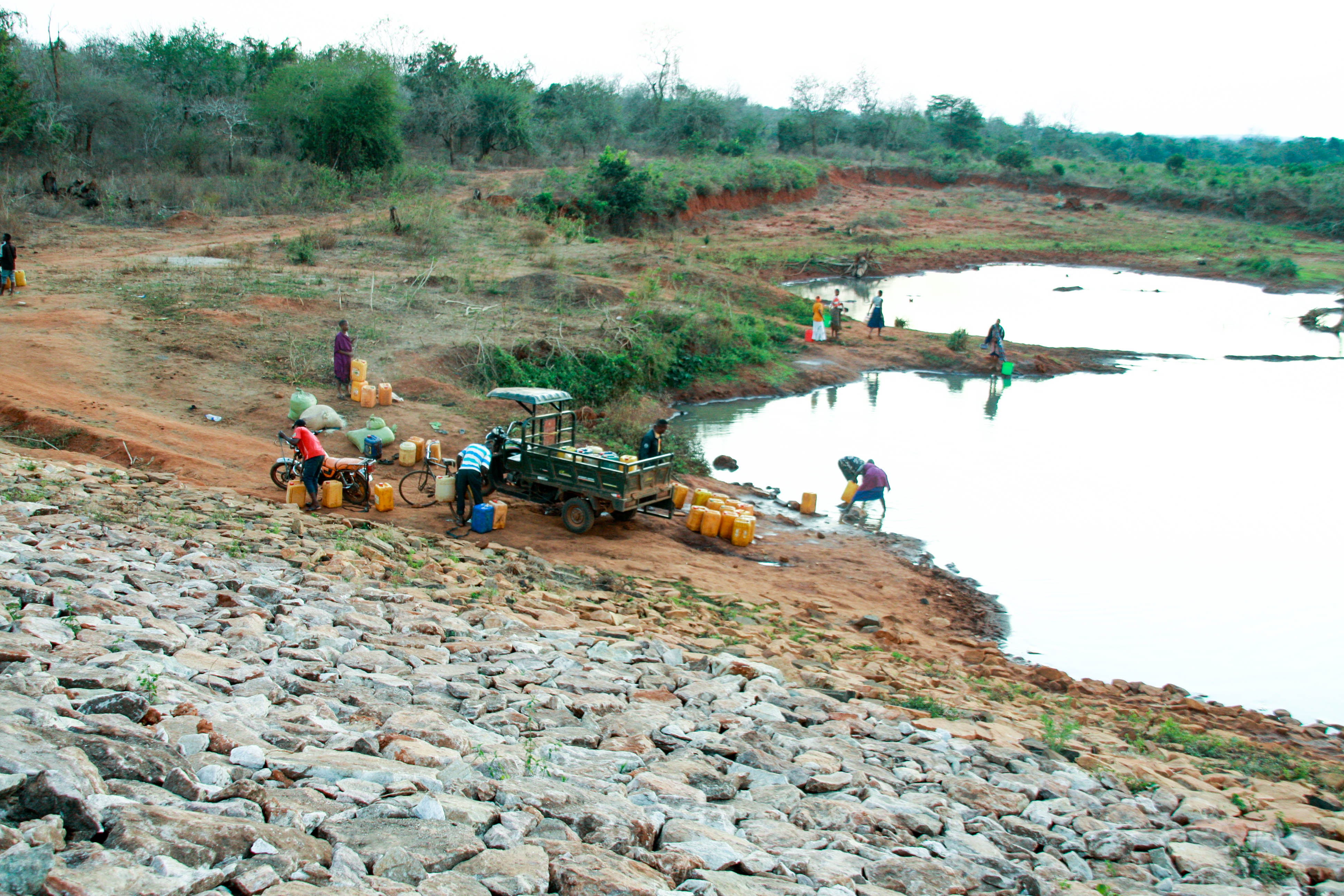
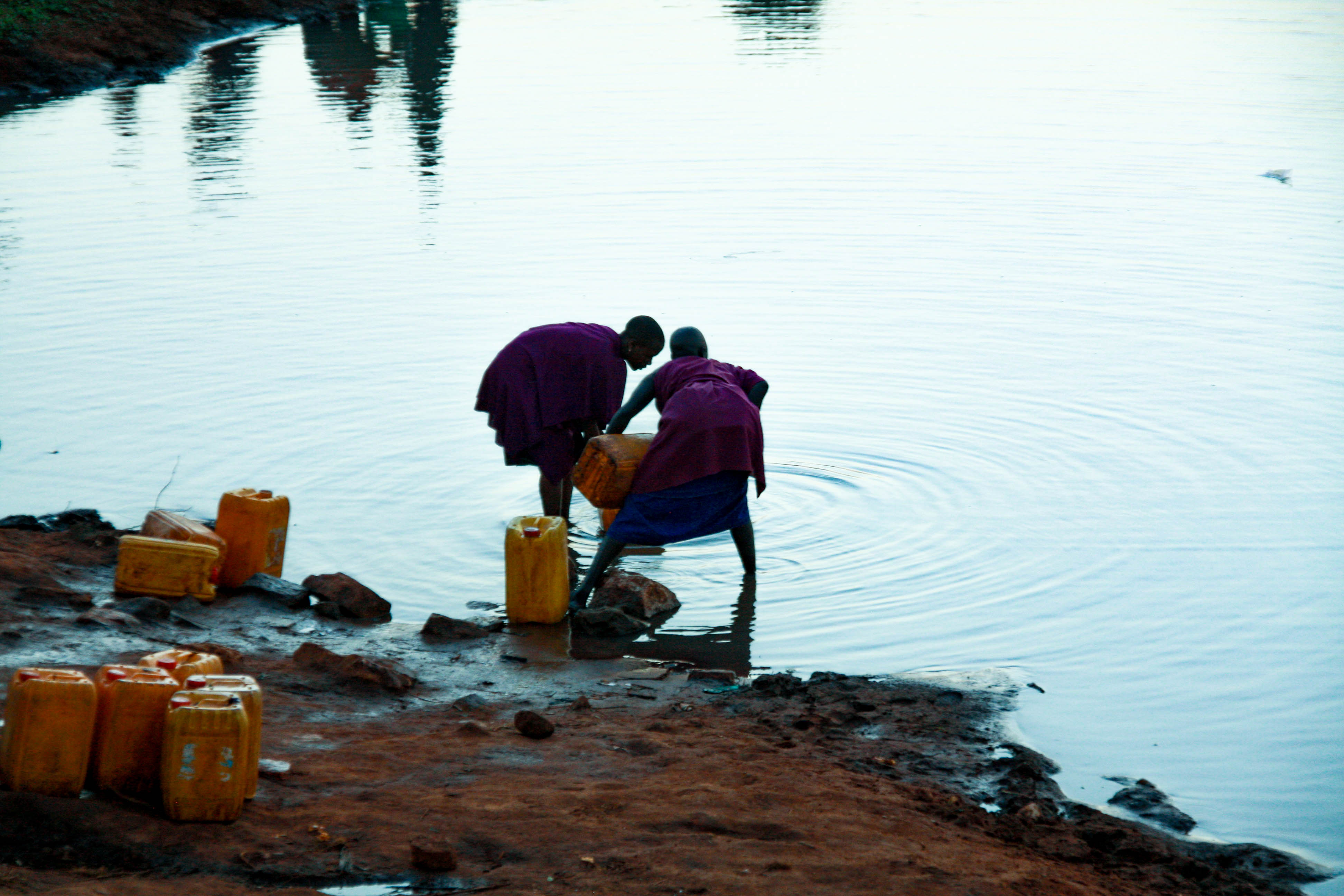
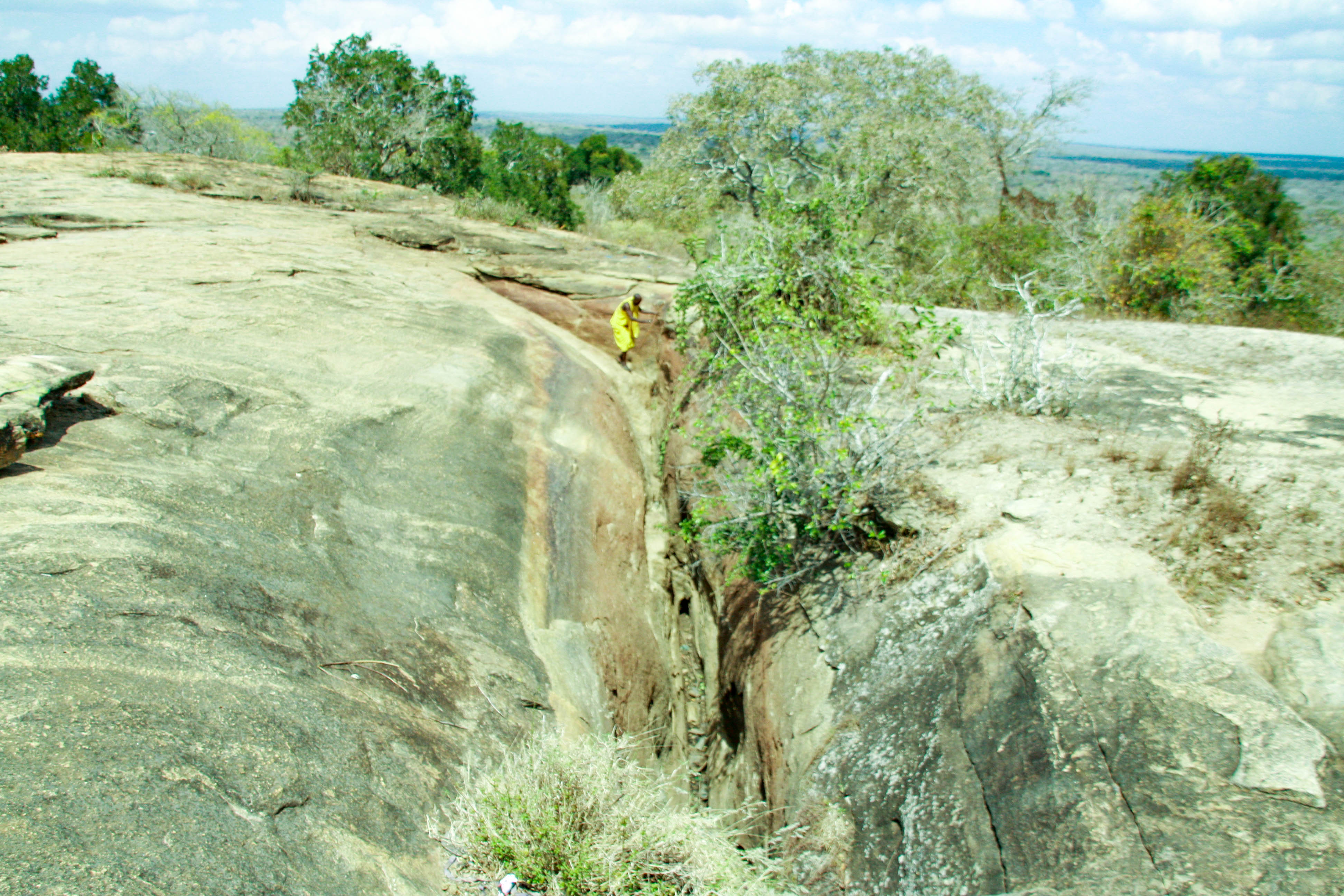
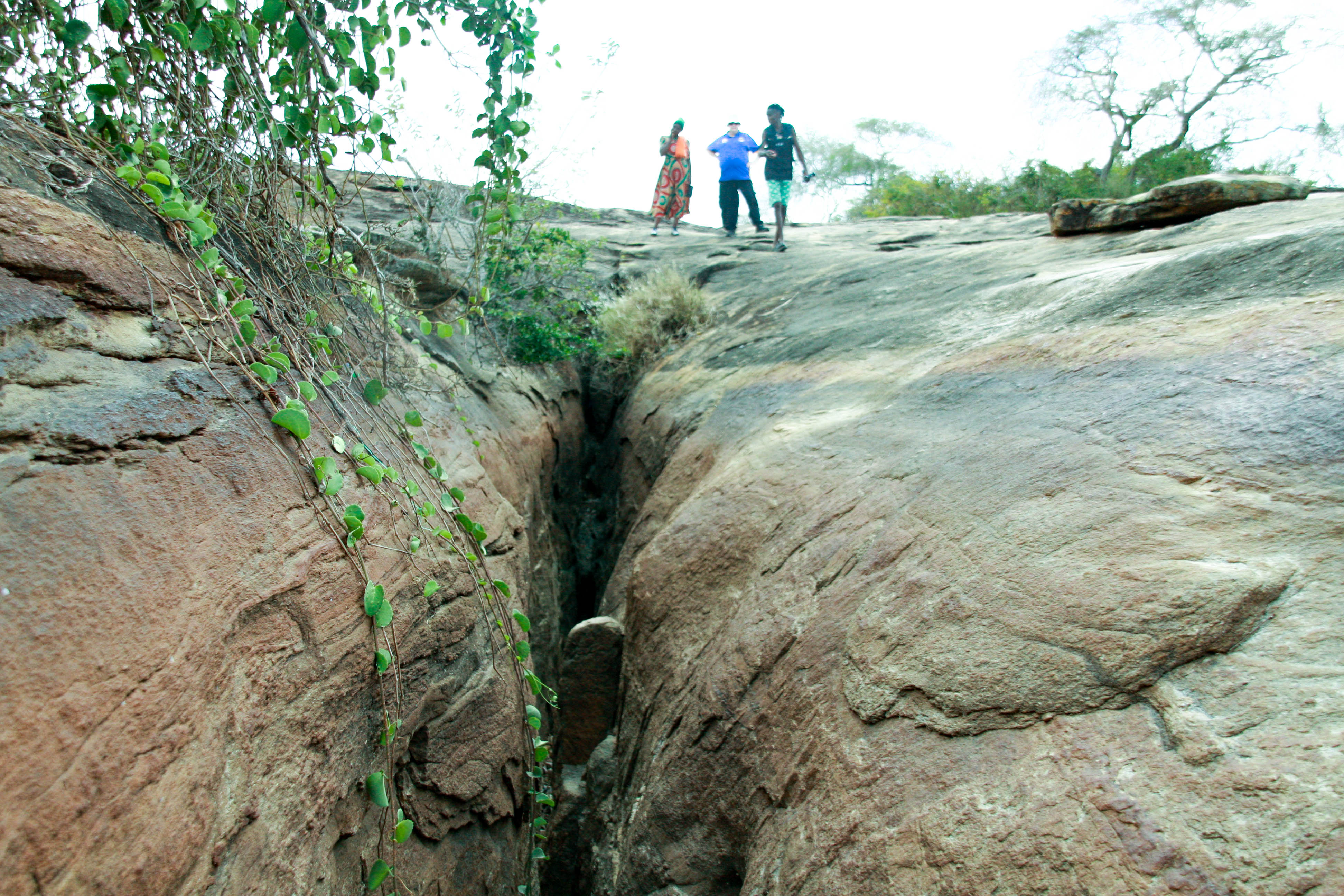
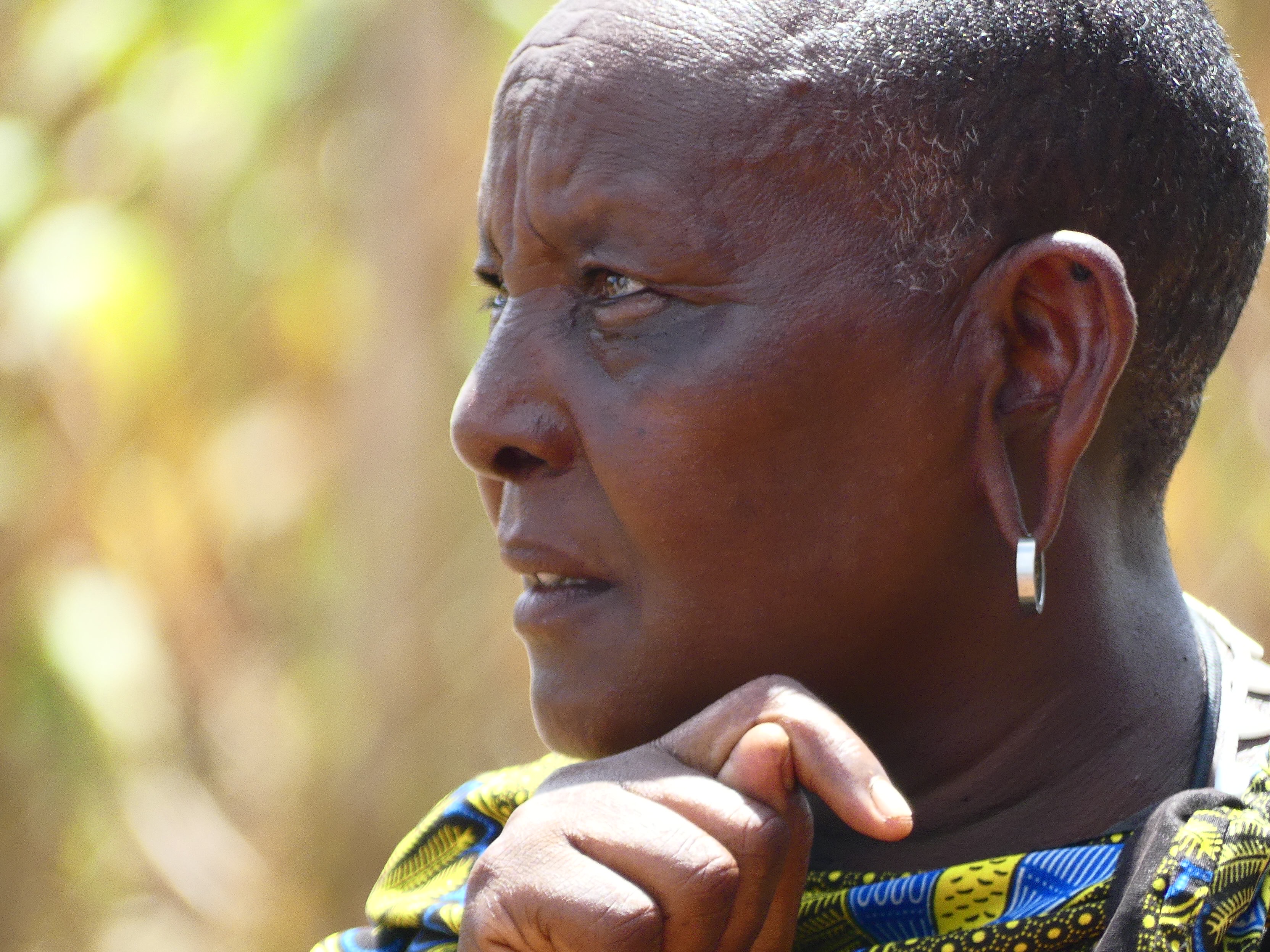
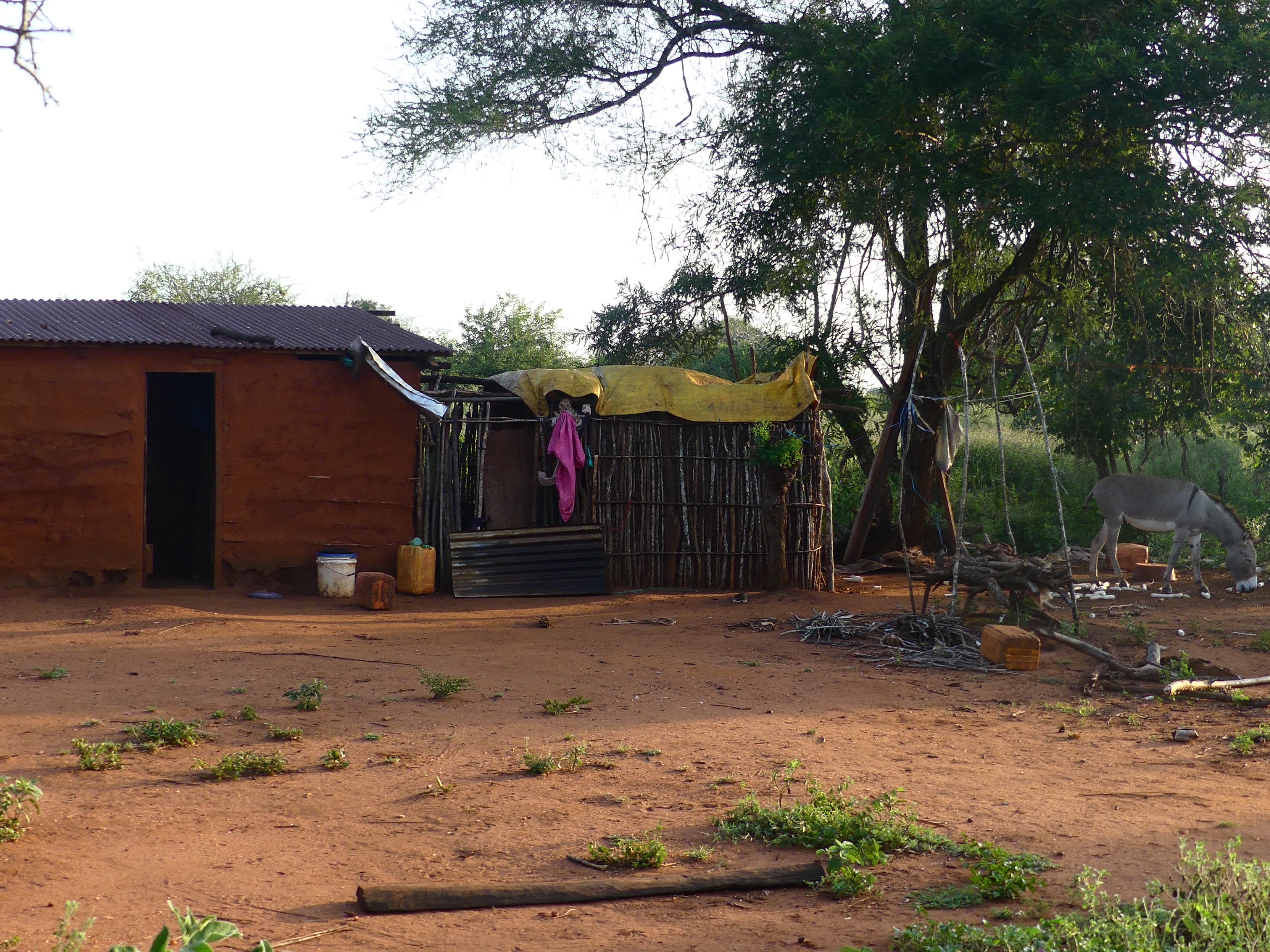
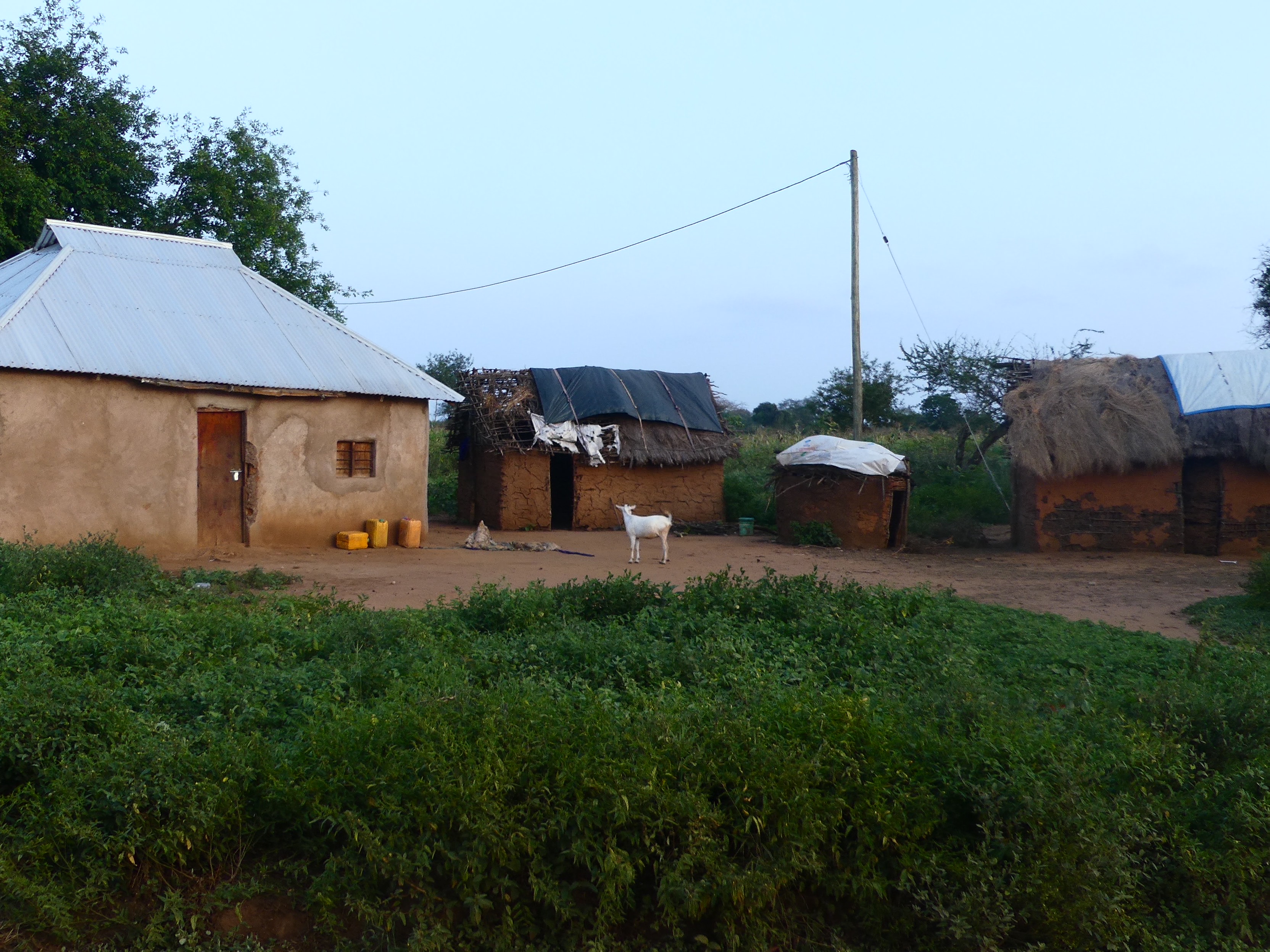
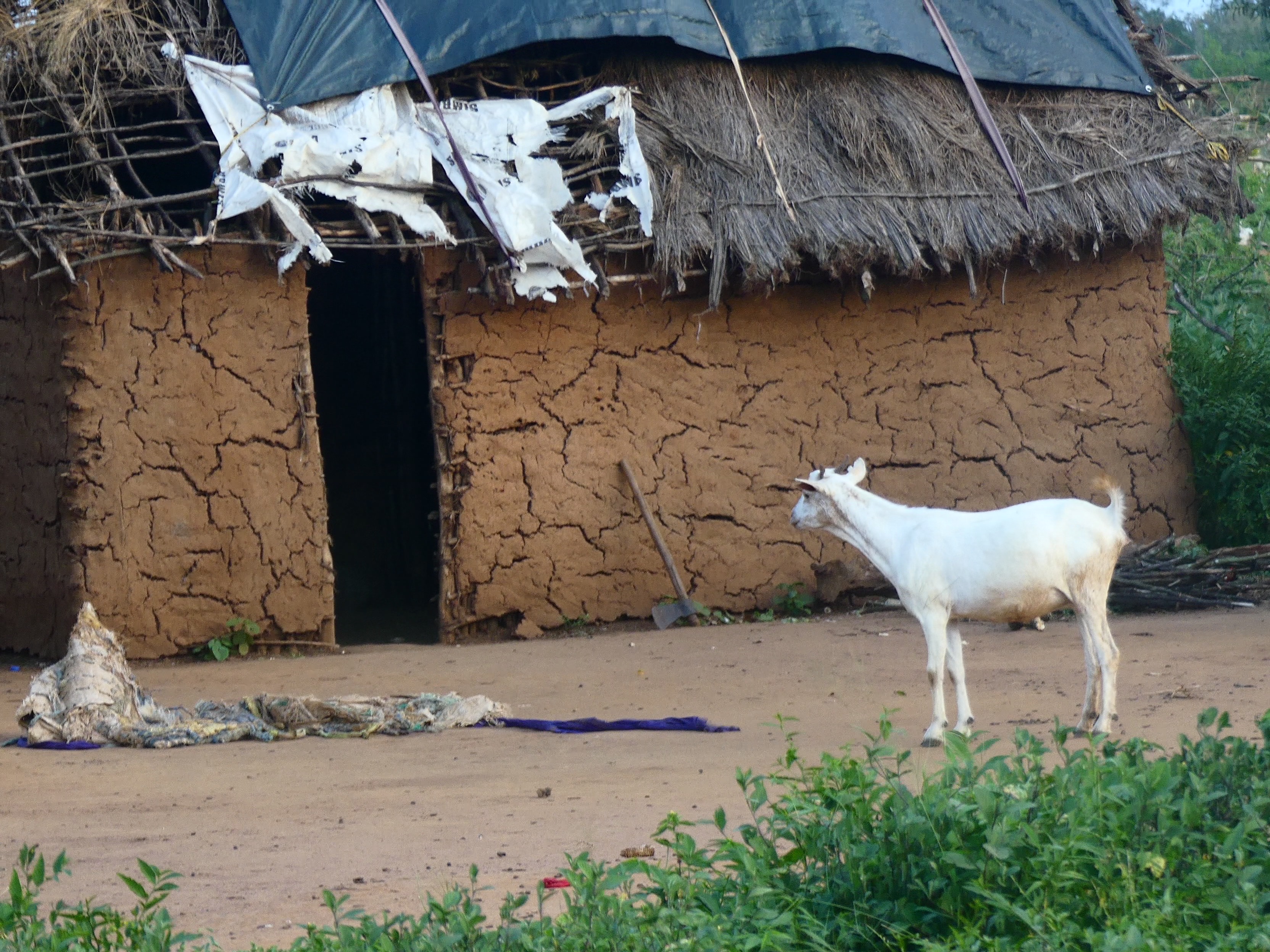
When families in Msomera reach their water containers, often there's nothing to draw. The ground is dry, the wells shallow, and what water remains is often salty or unsafe to drink. For the Maasai people, relocated here from the fertile lands of Ngorongoro - this new reality is harsh. What was once abundance has turned into scarcity.
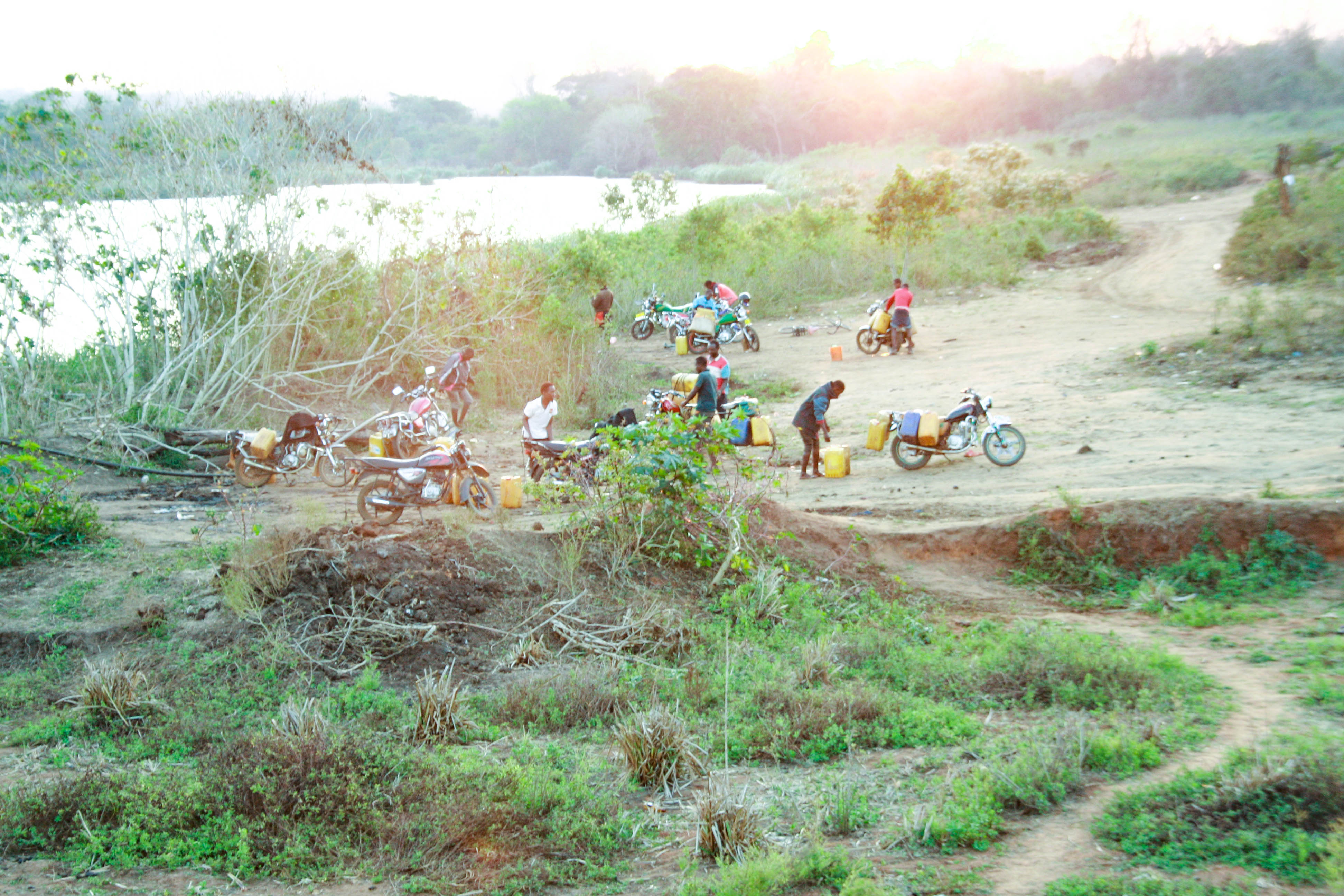
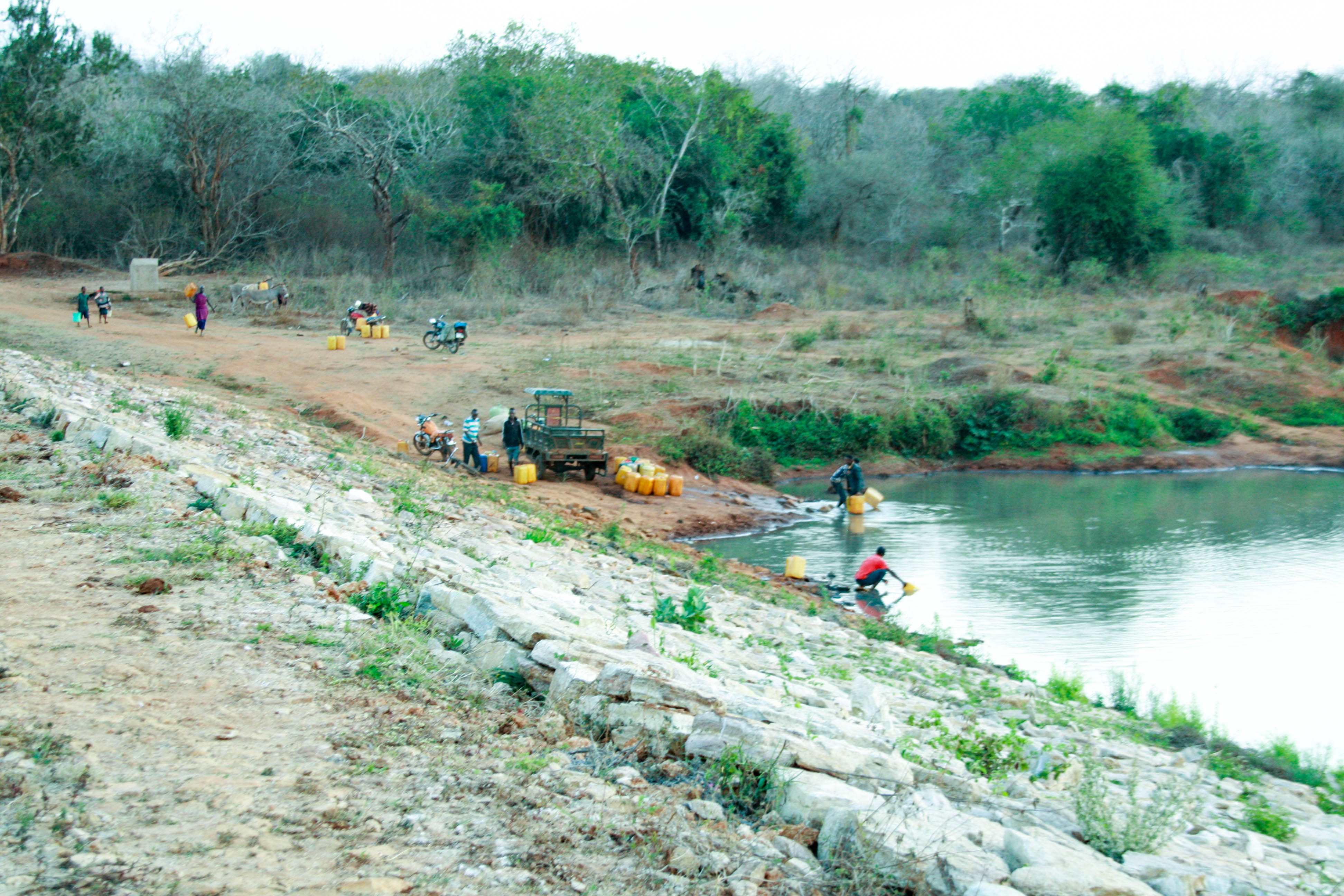
While the government puts in efforts to battle the water issues, reliable infrastructure is still lacking. Many families still walk kilometres each day to collect muddy water for cooking and drinking. This leaves hundreds of households without sufficient access to clean water, threatening both health and traditional livelihoods.
Our Response
To address these urgent needs, REMO launched the Msomera Water Project. With the support of Tim Plückebaum from Switzerland, we have begun to implement sustainable and community-driven solutions. We are working hand in hand with the government to ensure the challenges in Msomera get resolved.
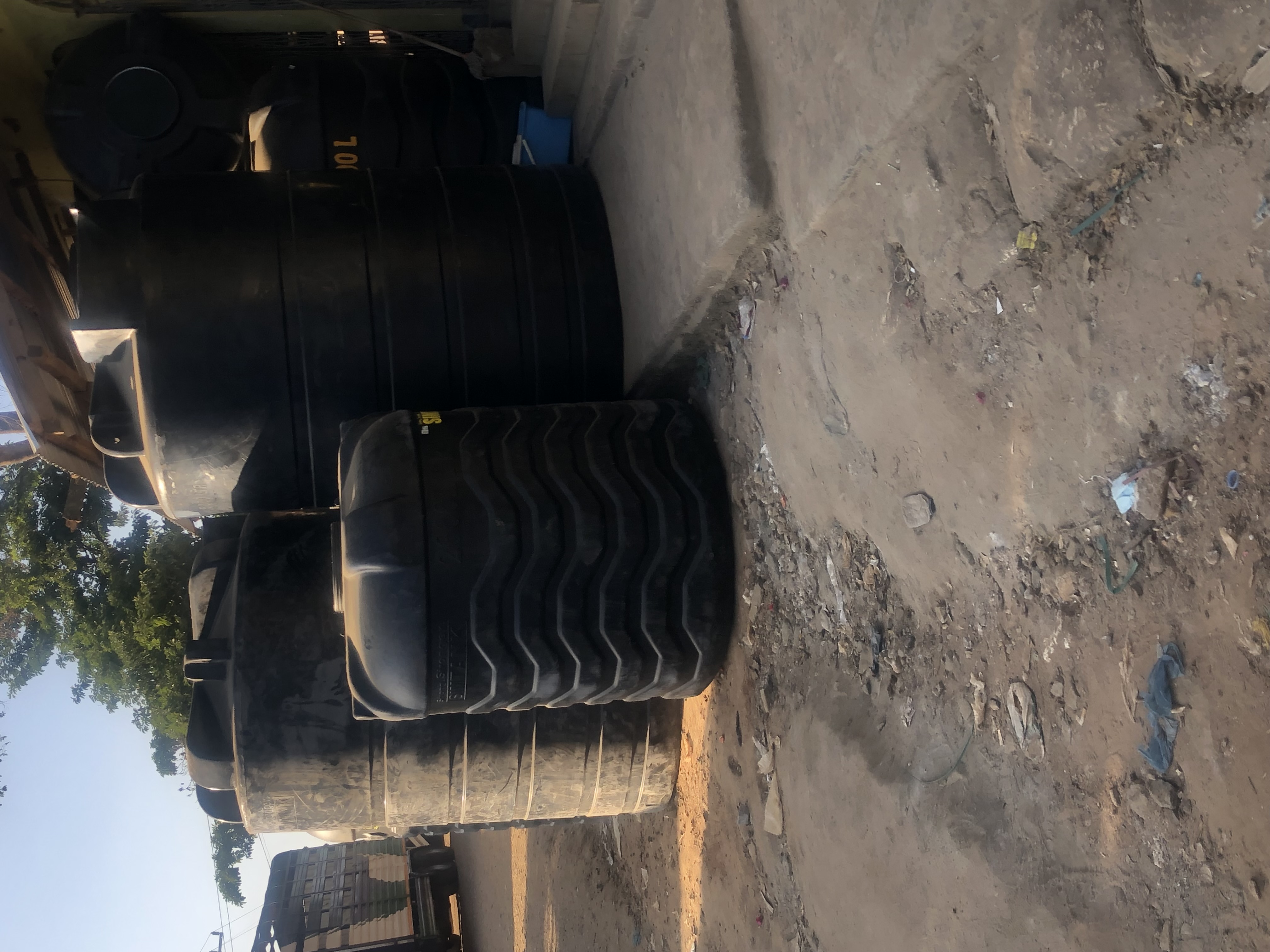
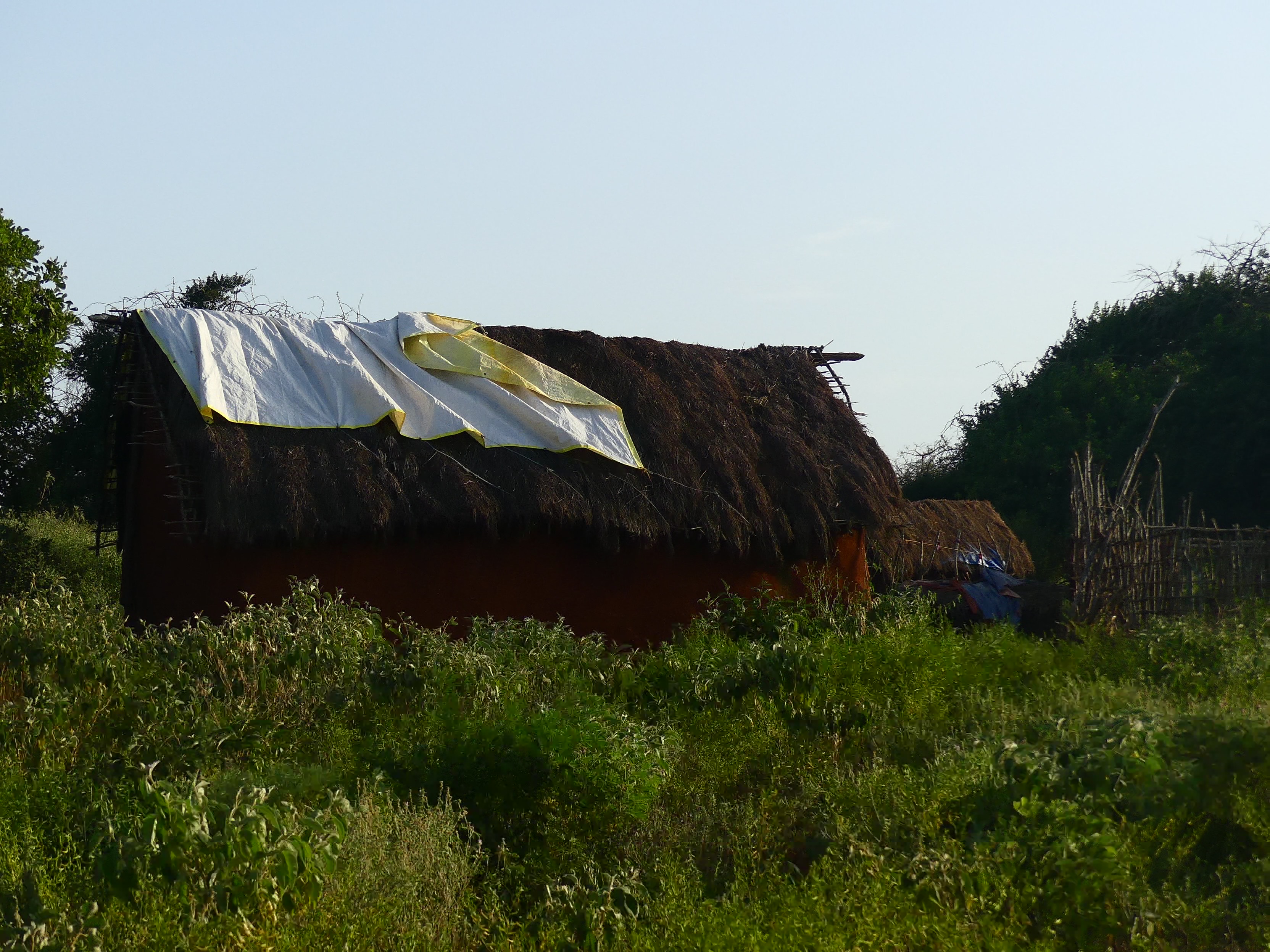
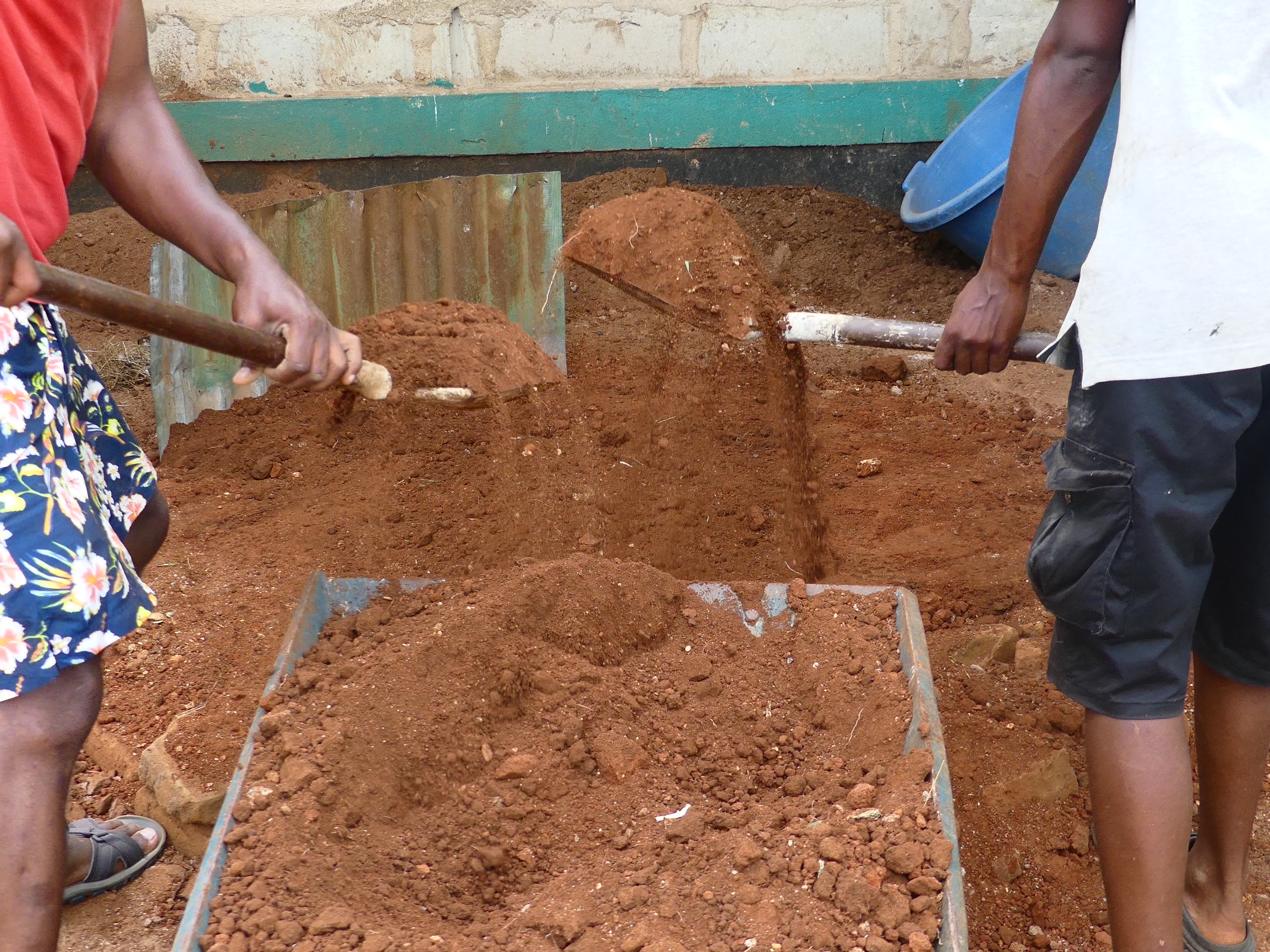
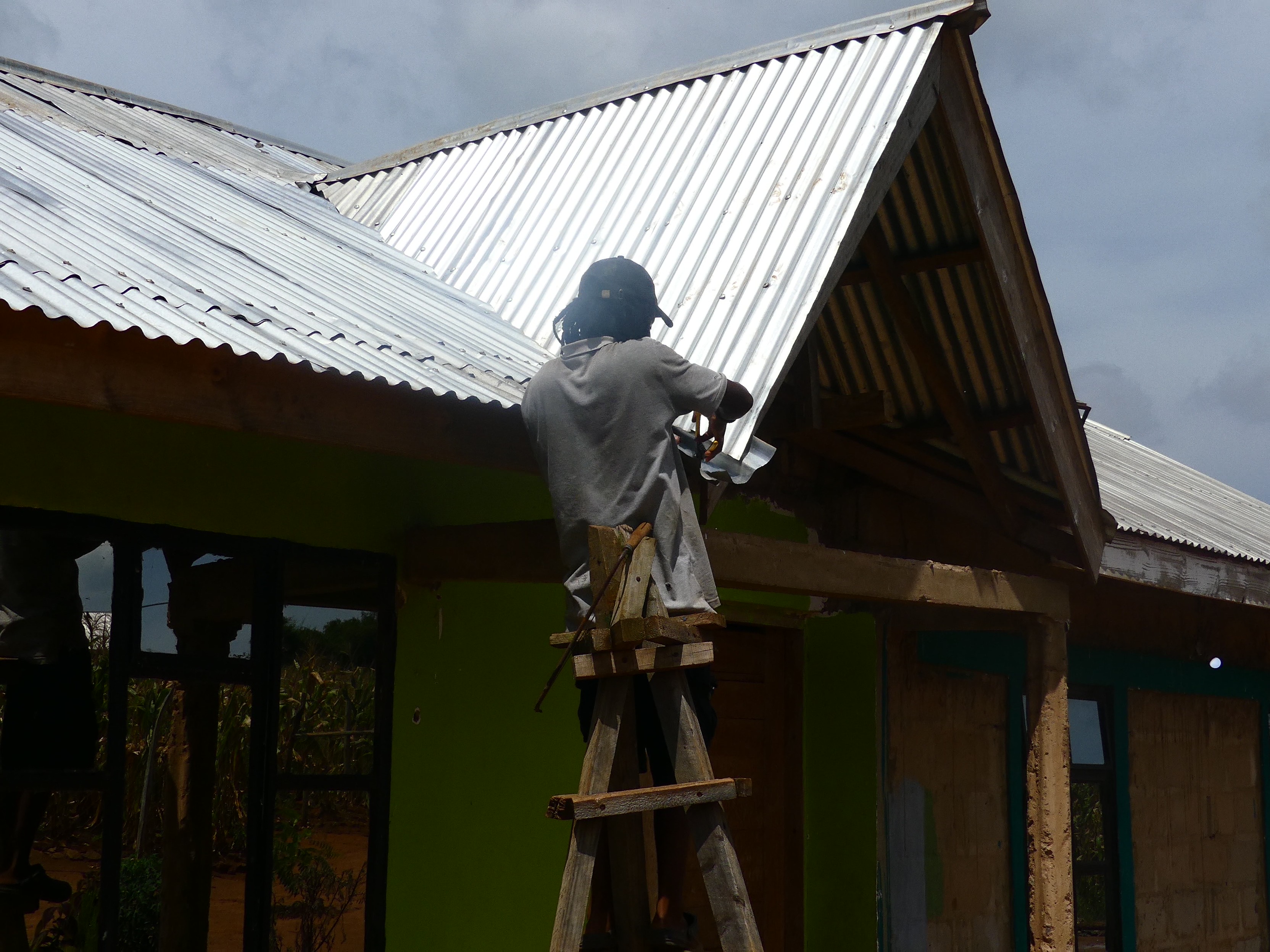
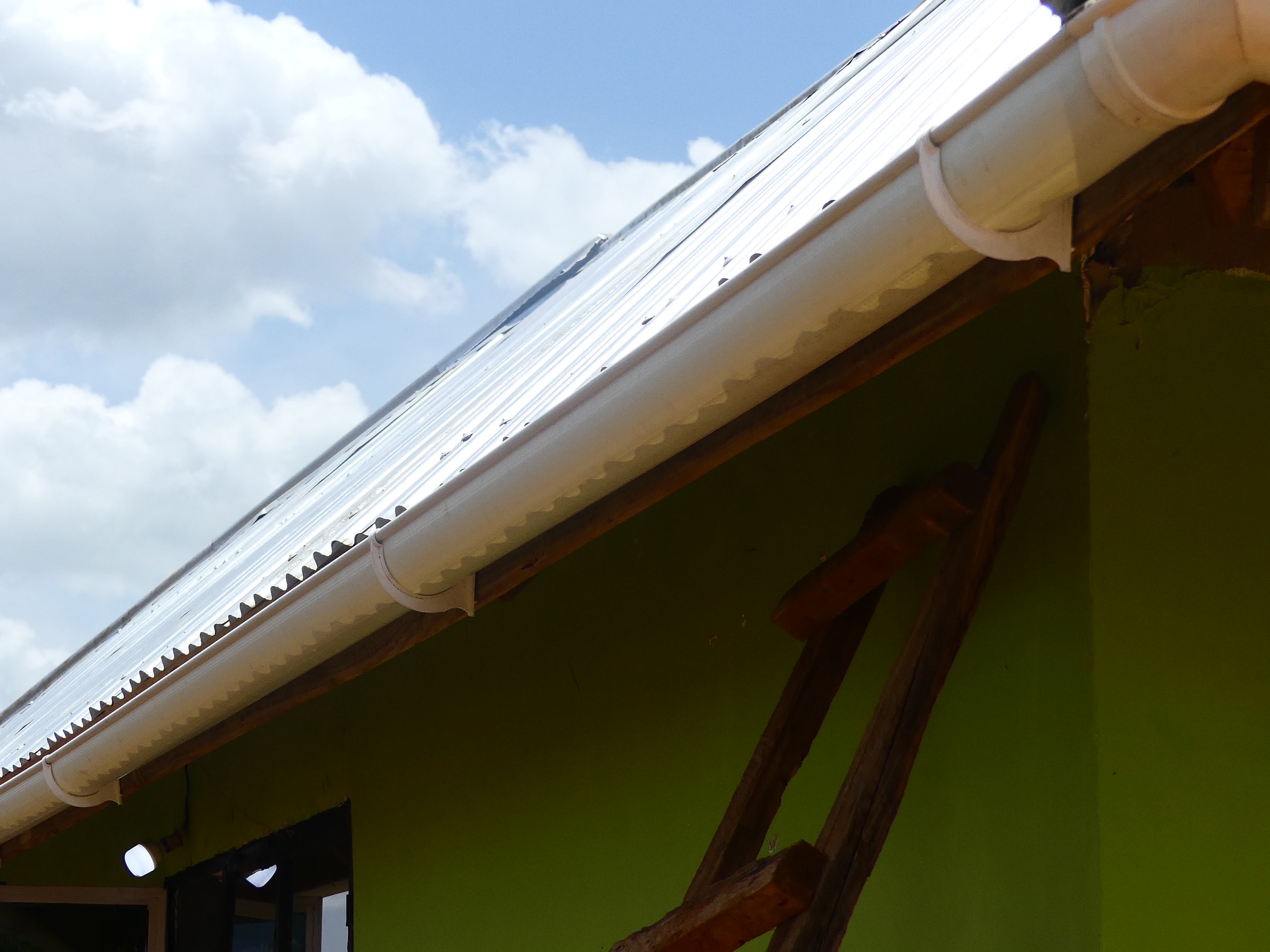
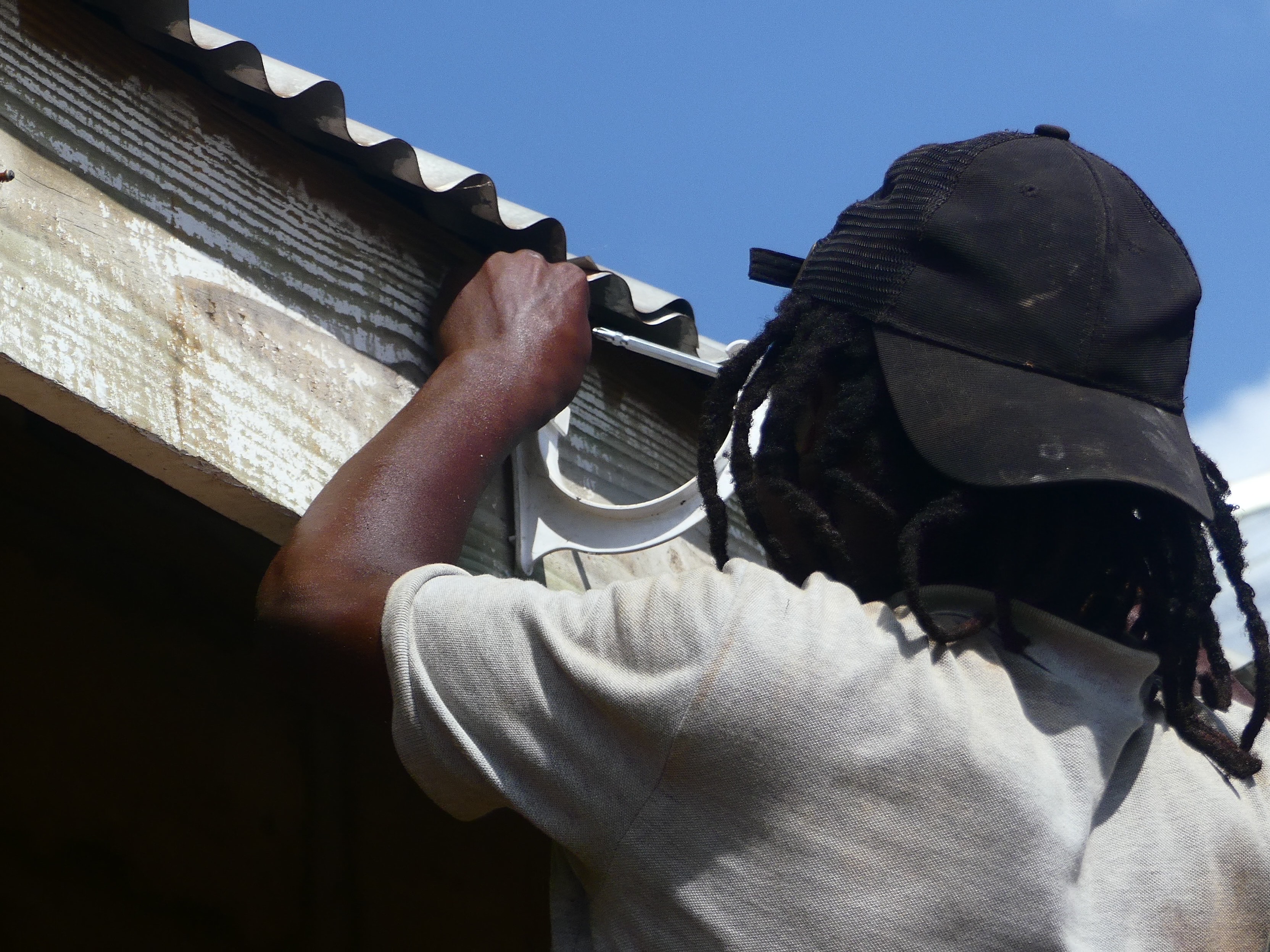
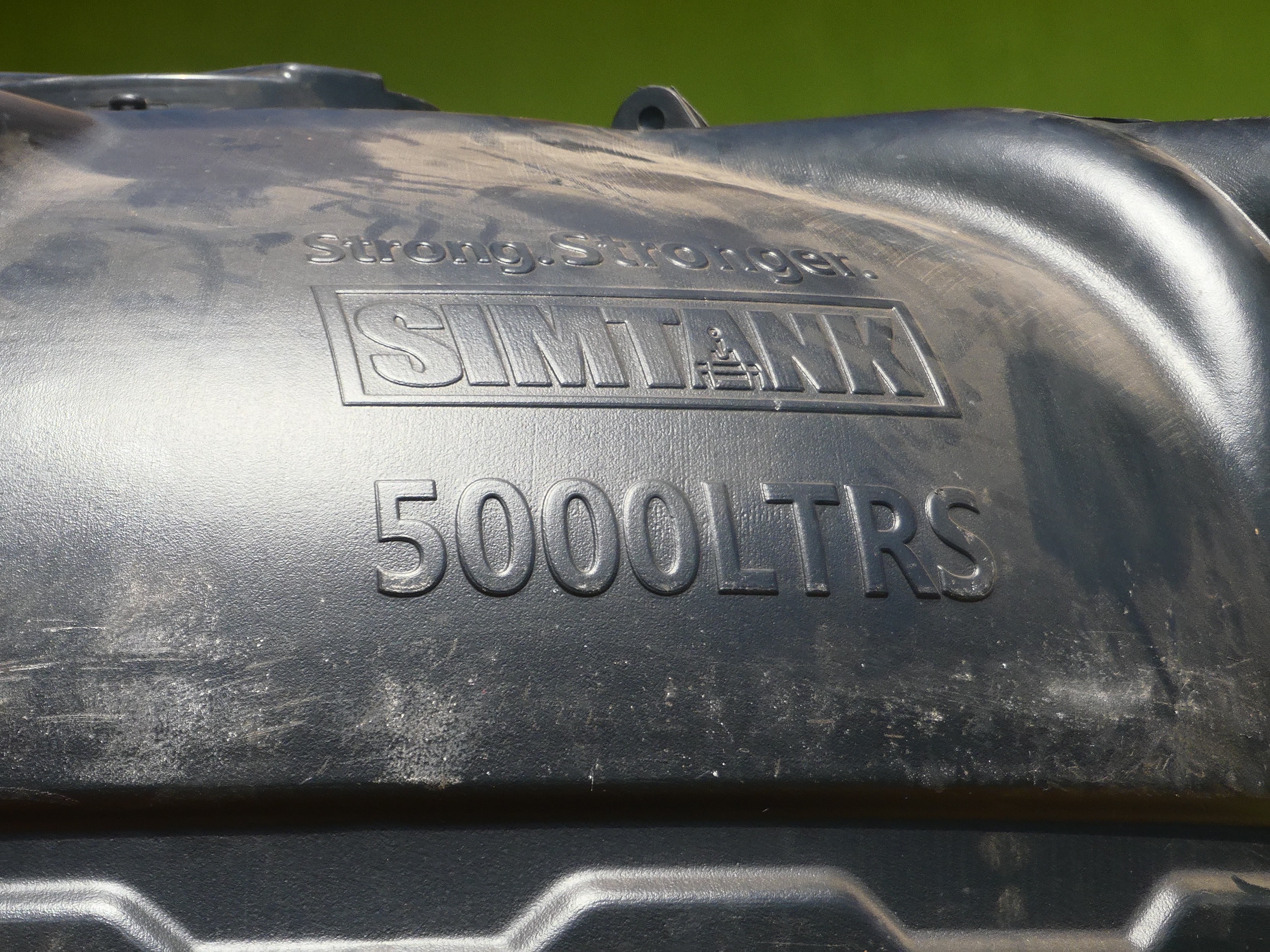
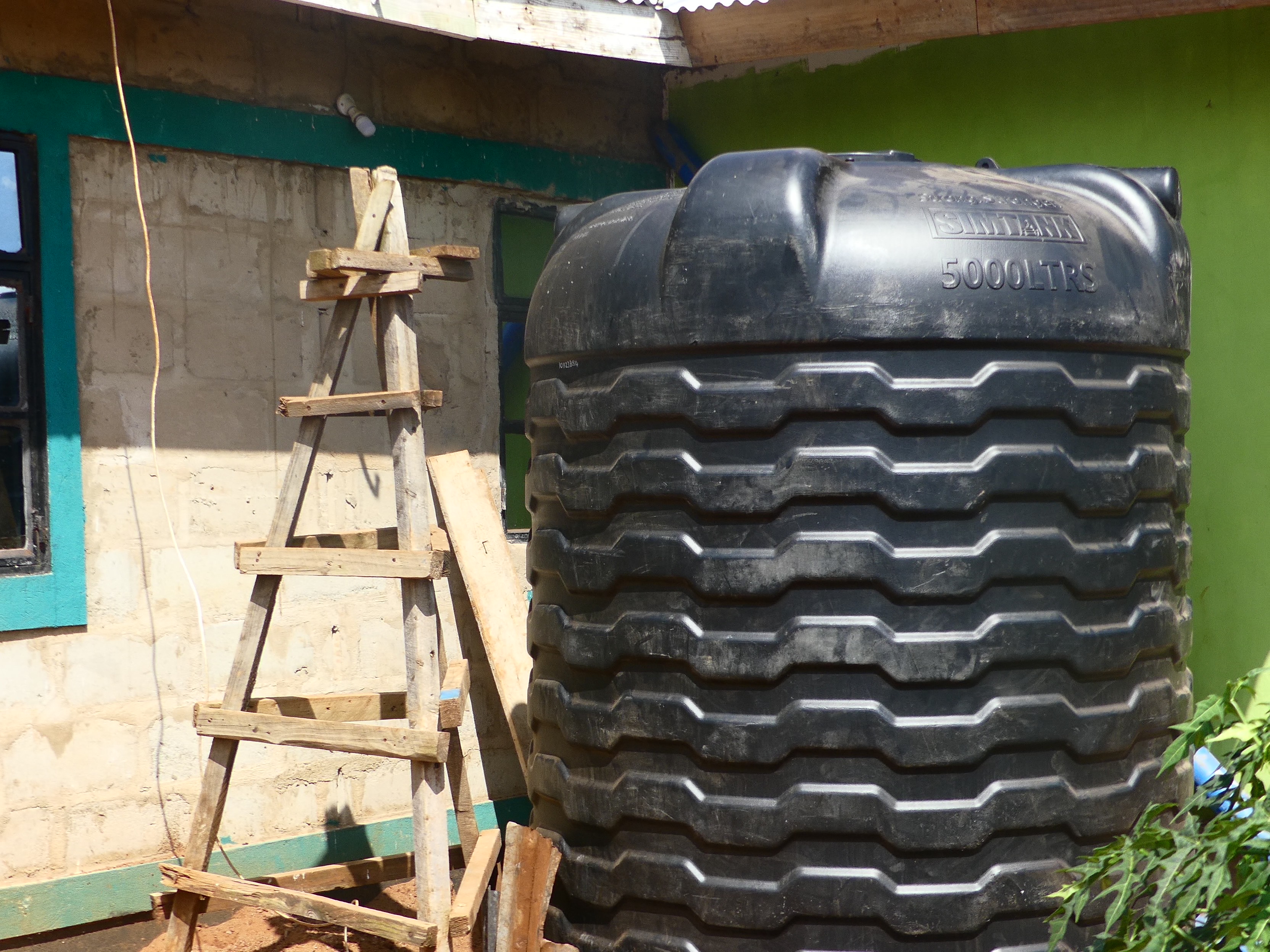
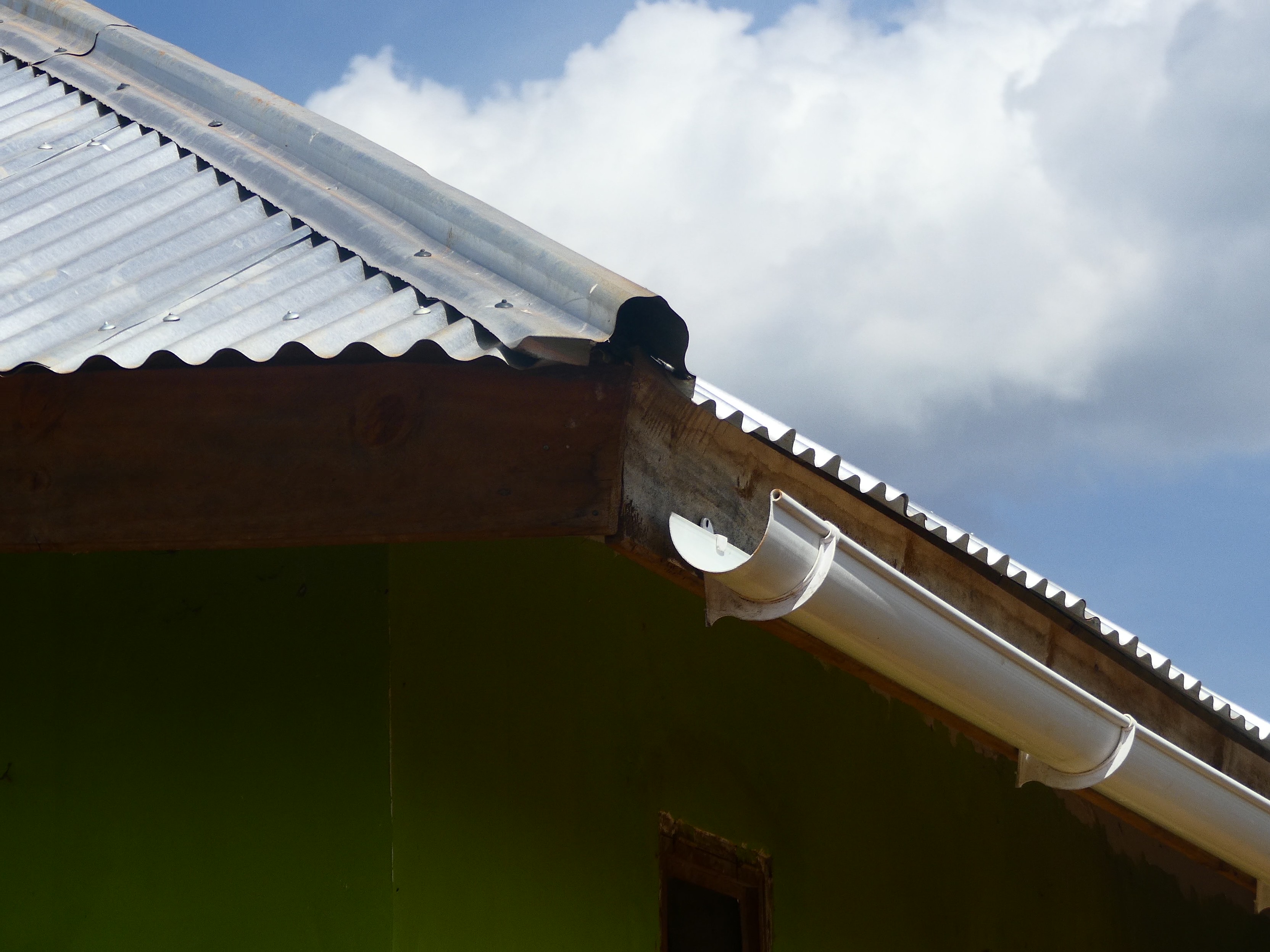
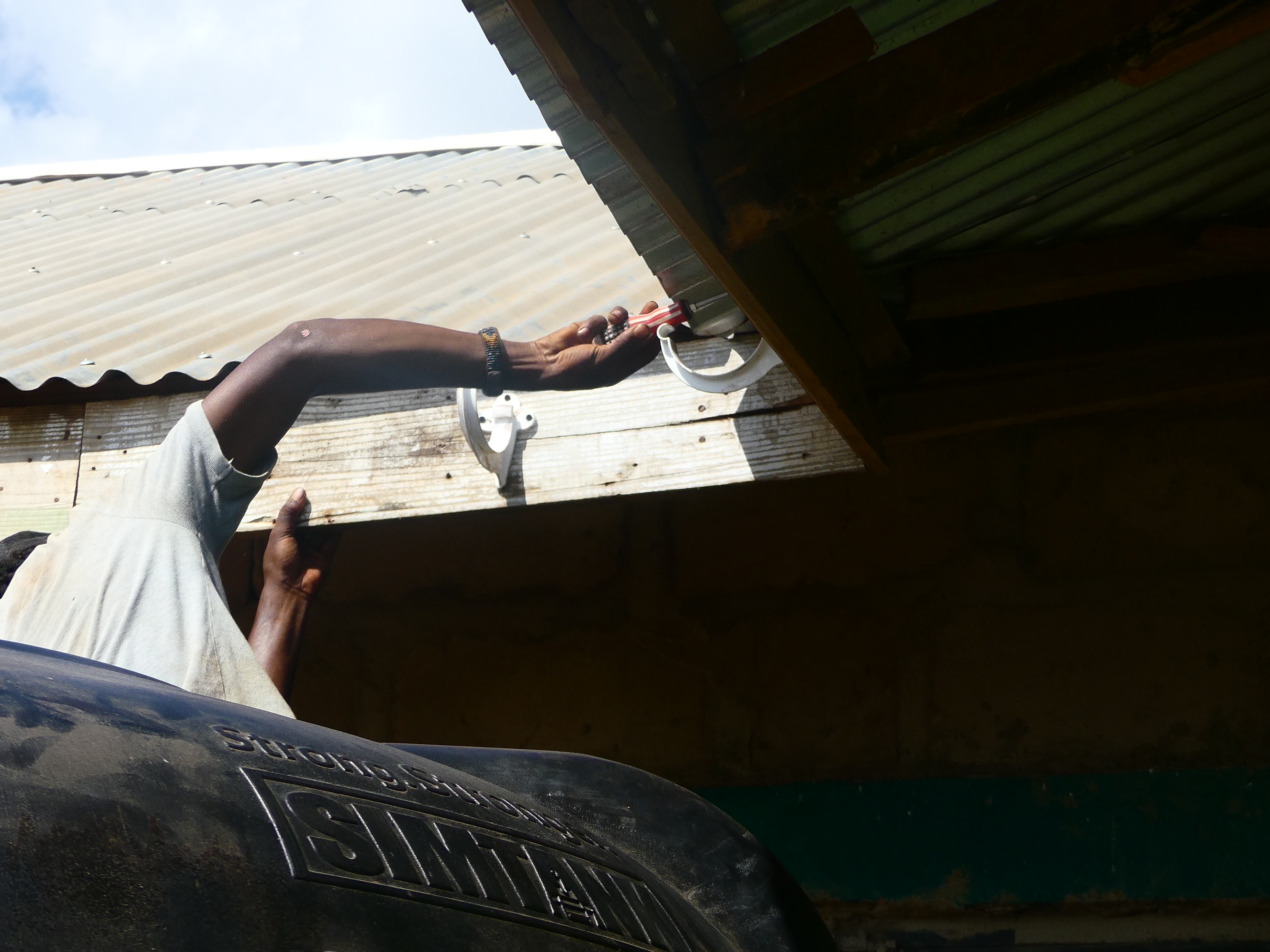
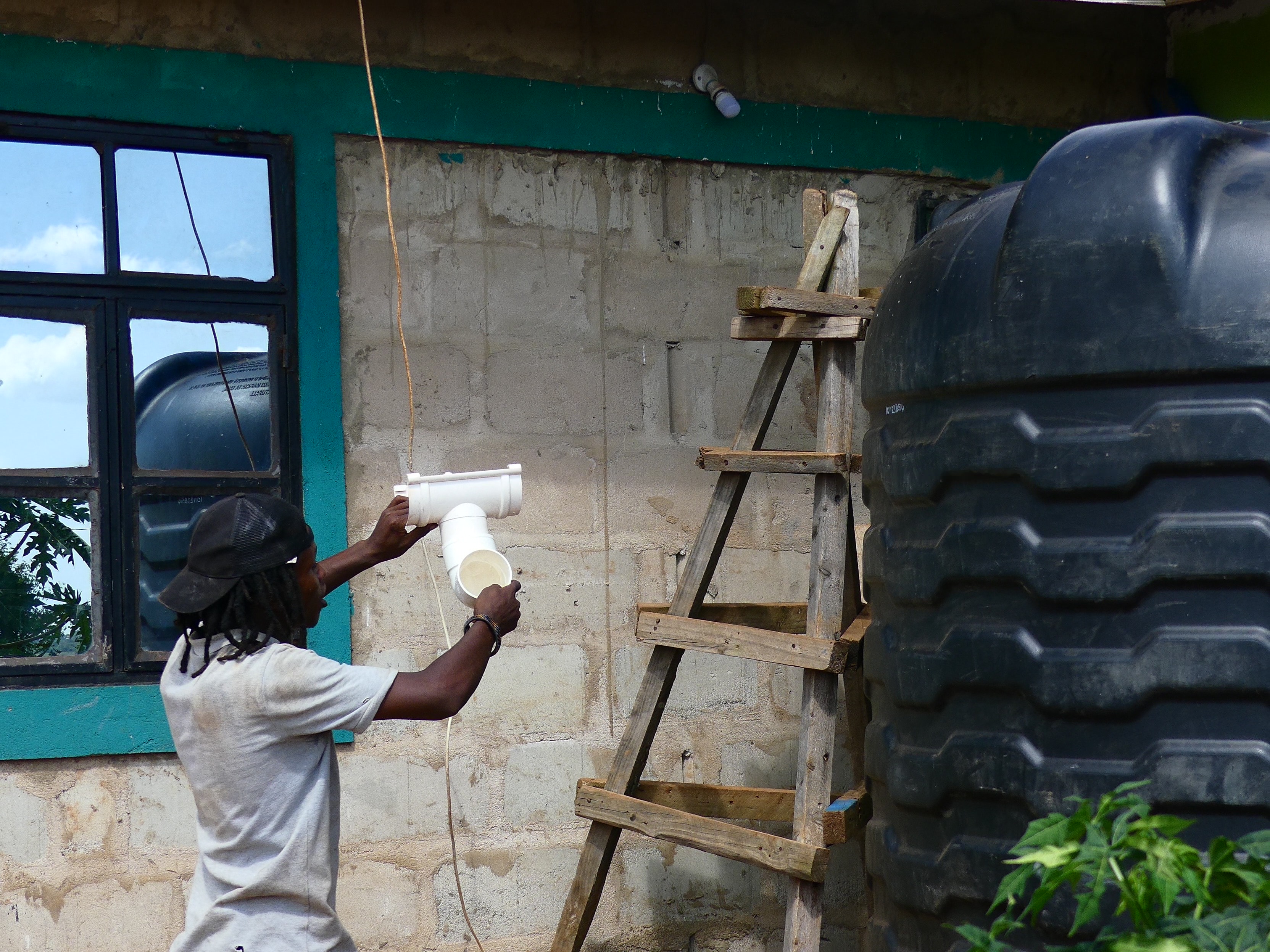
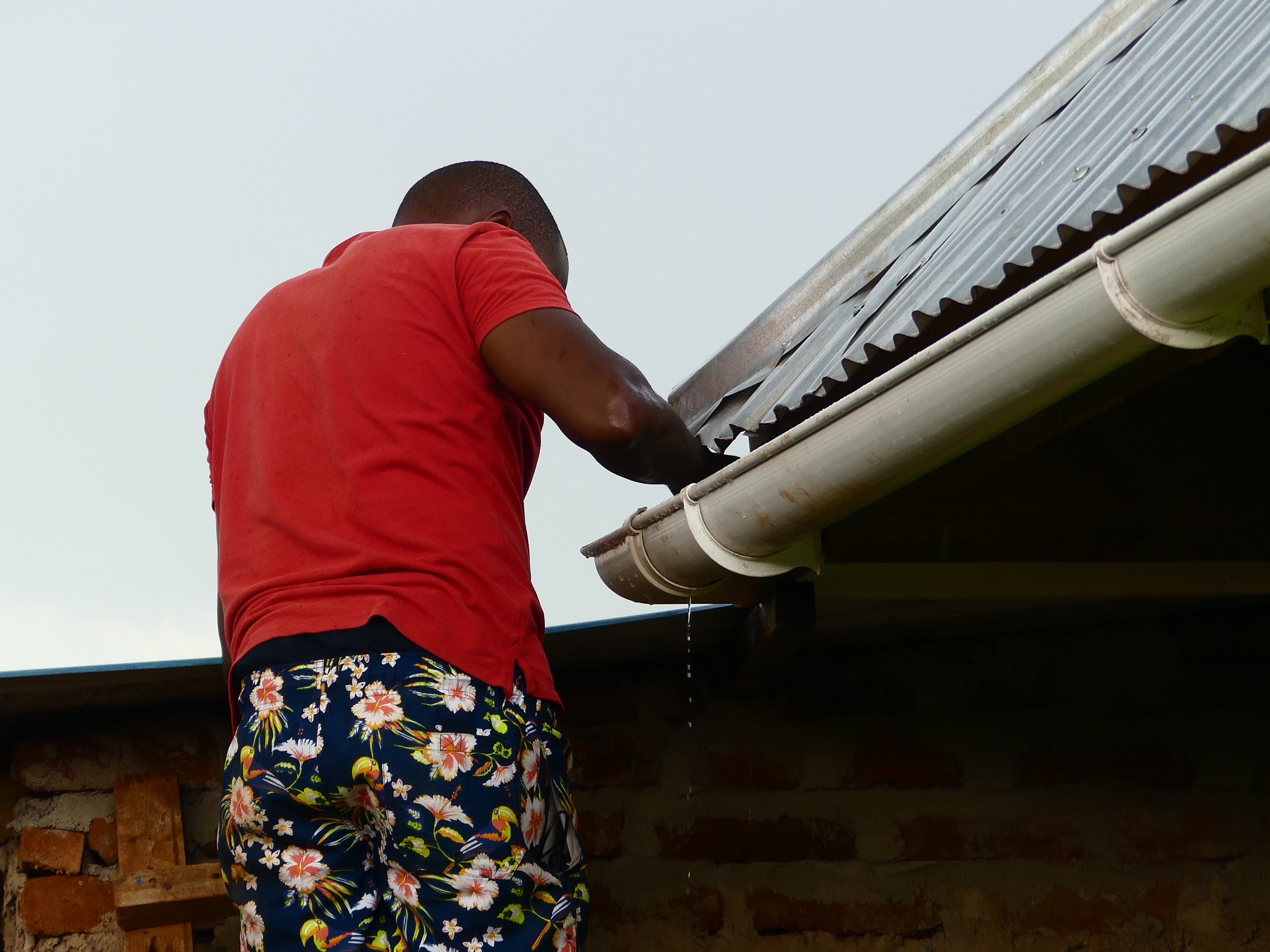
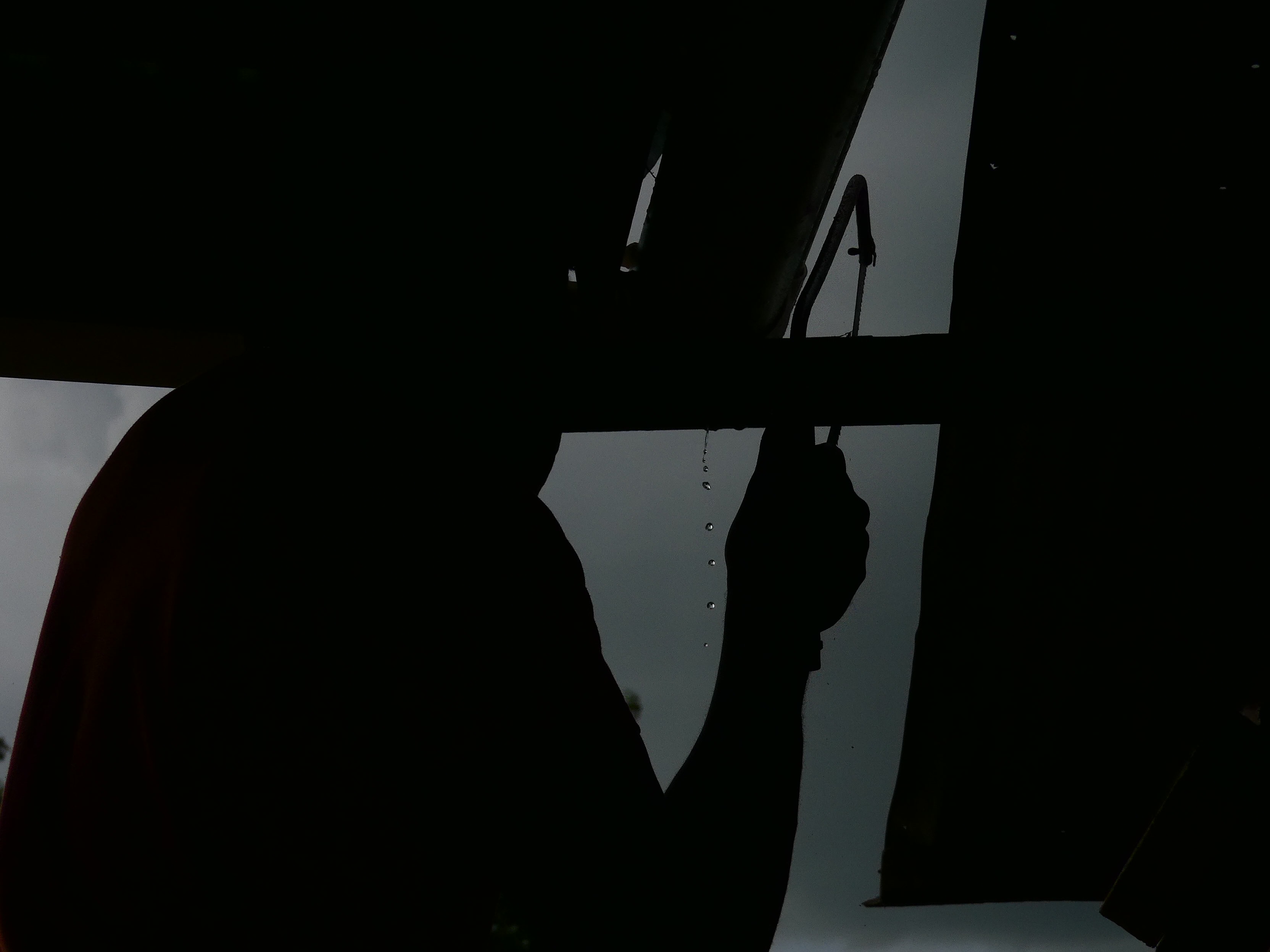
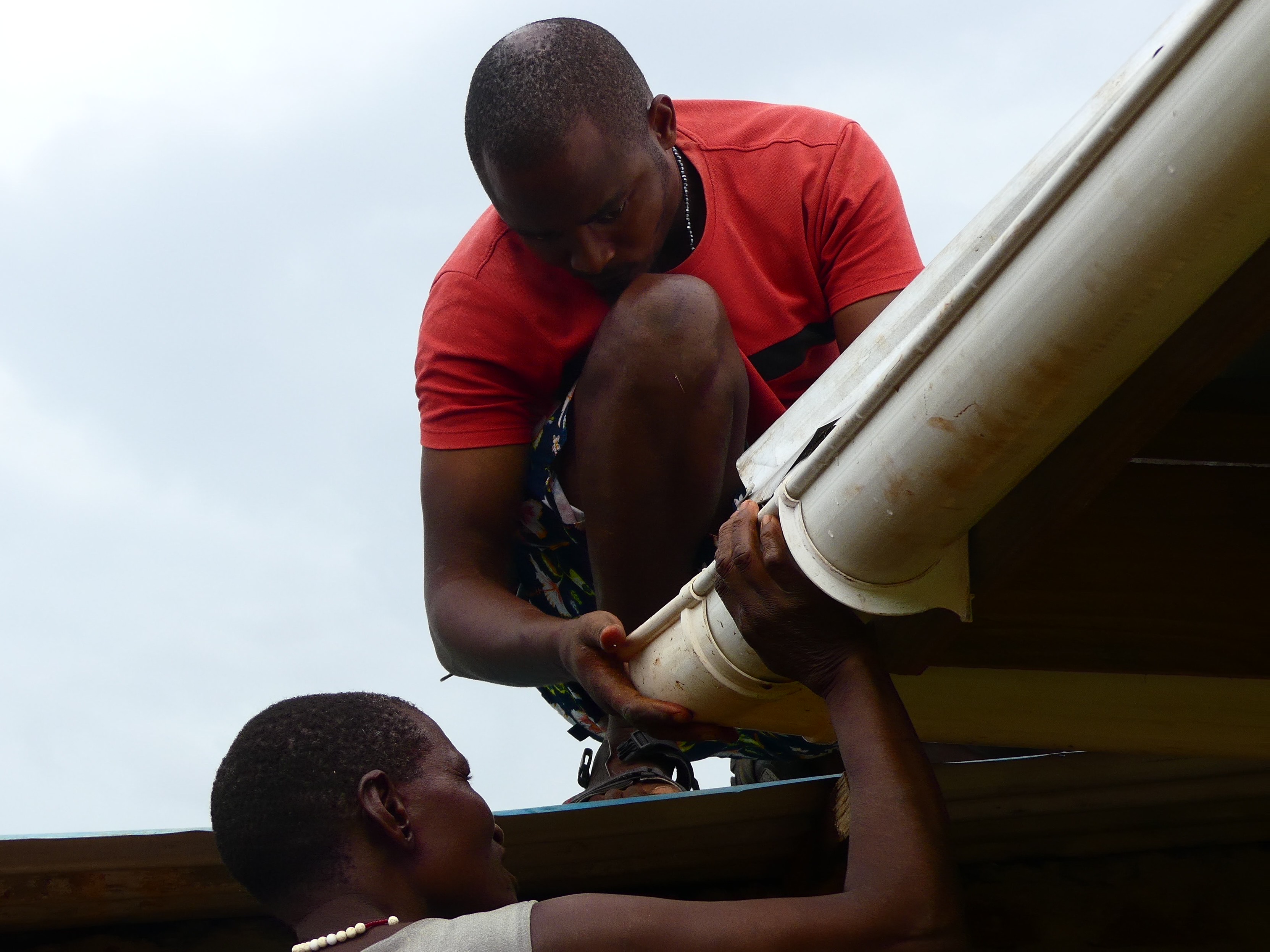
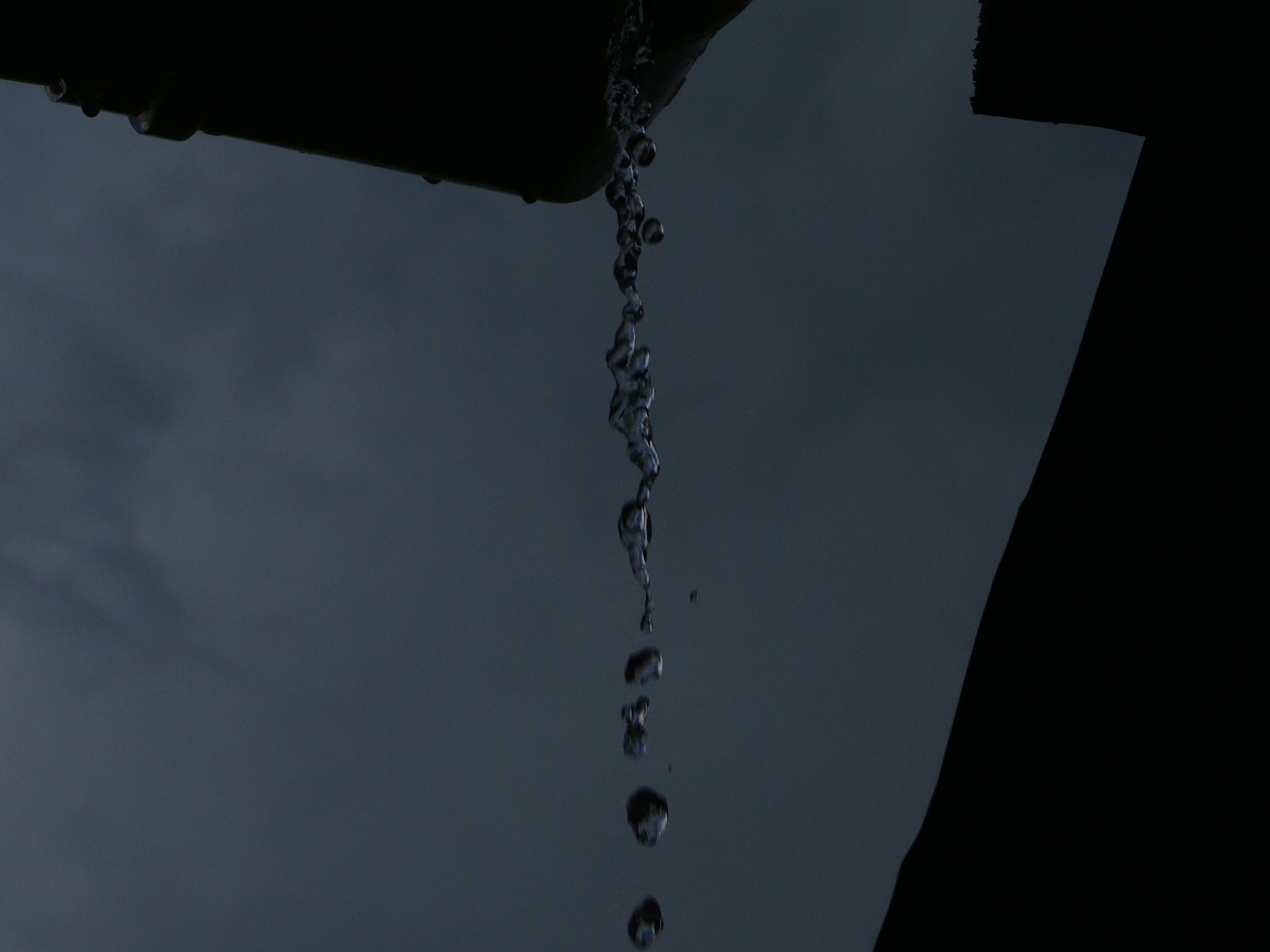
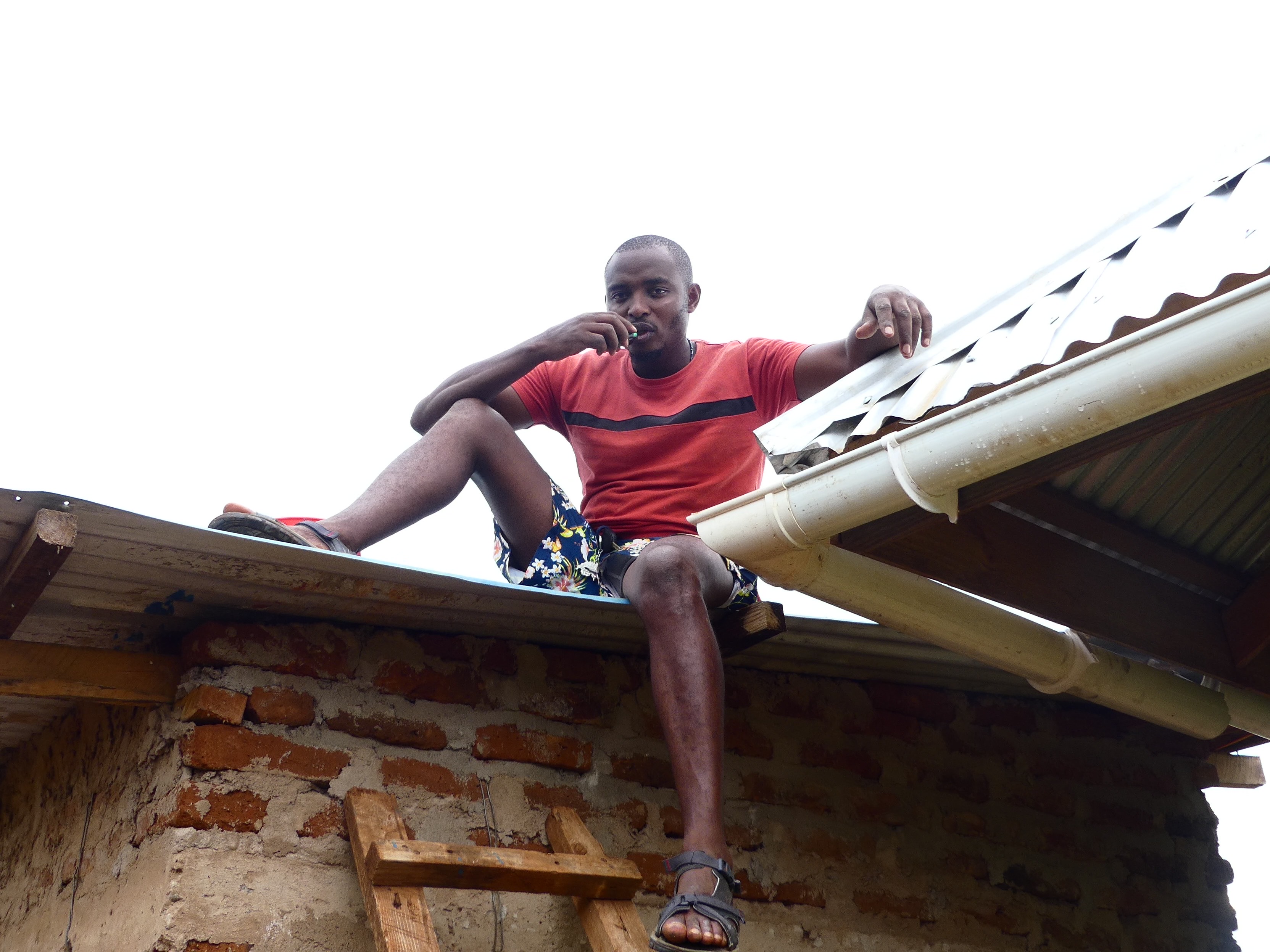
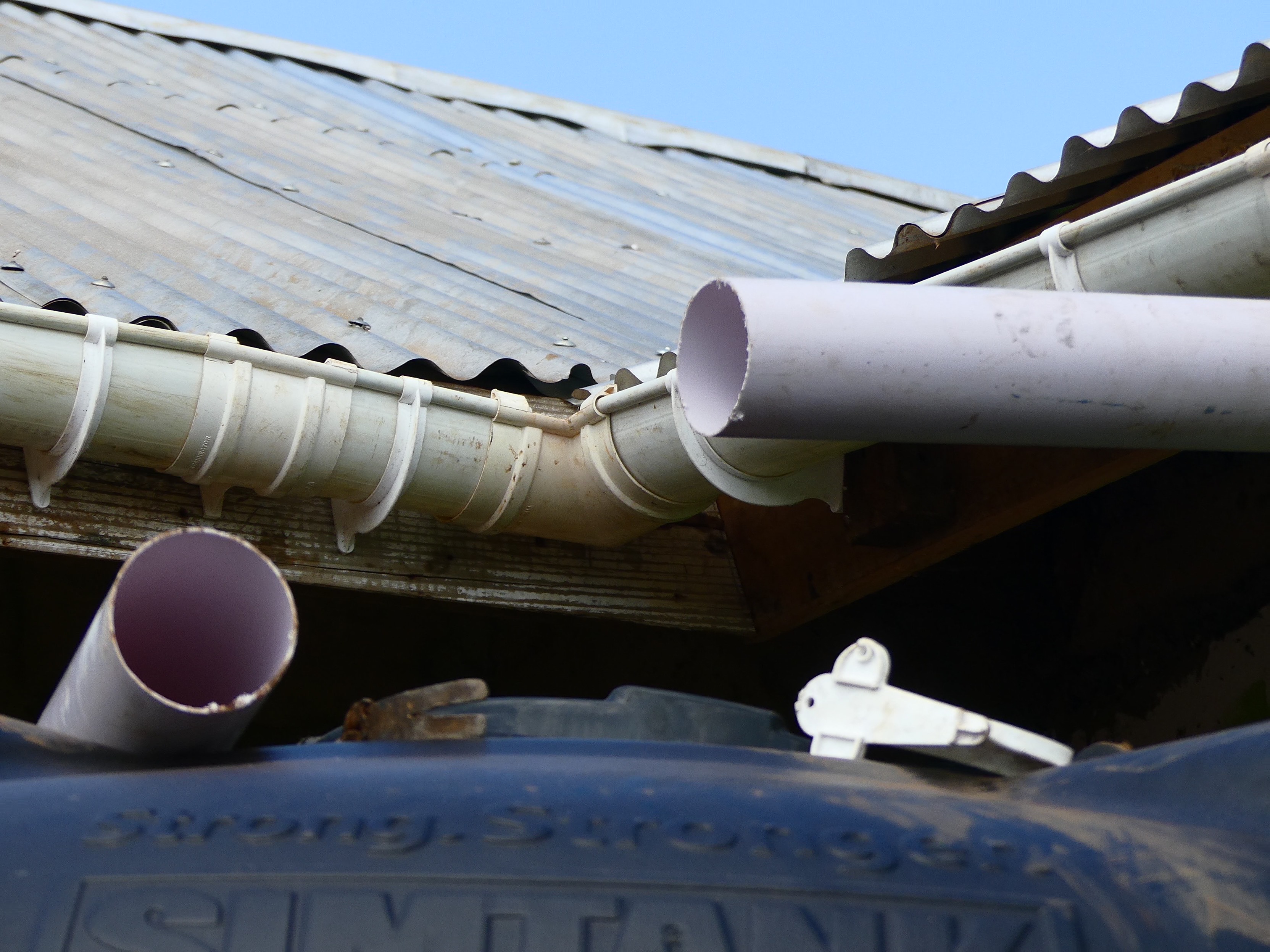
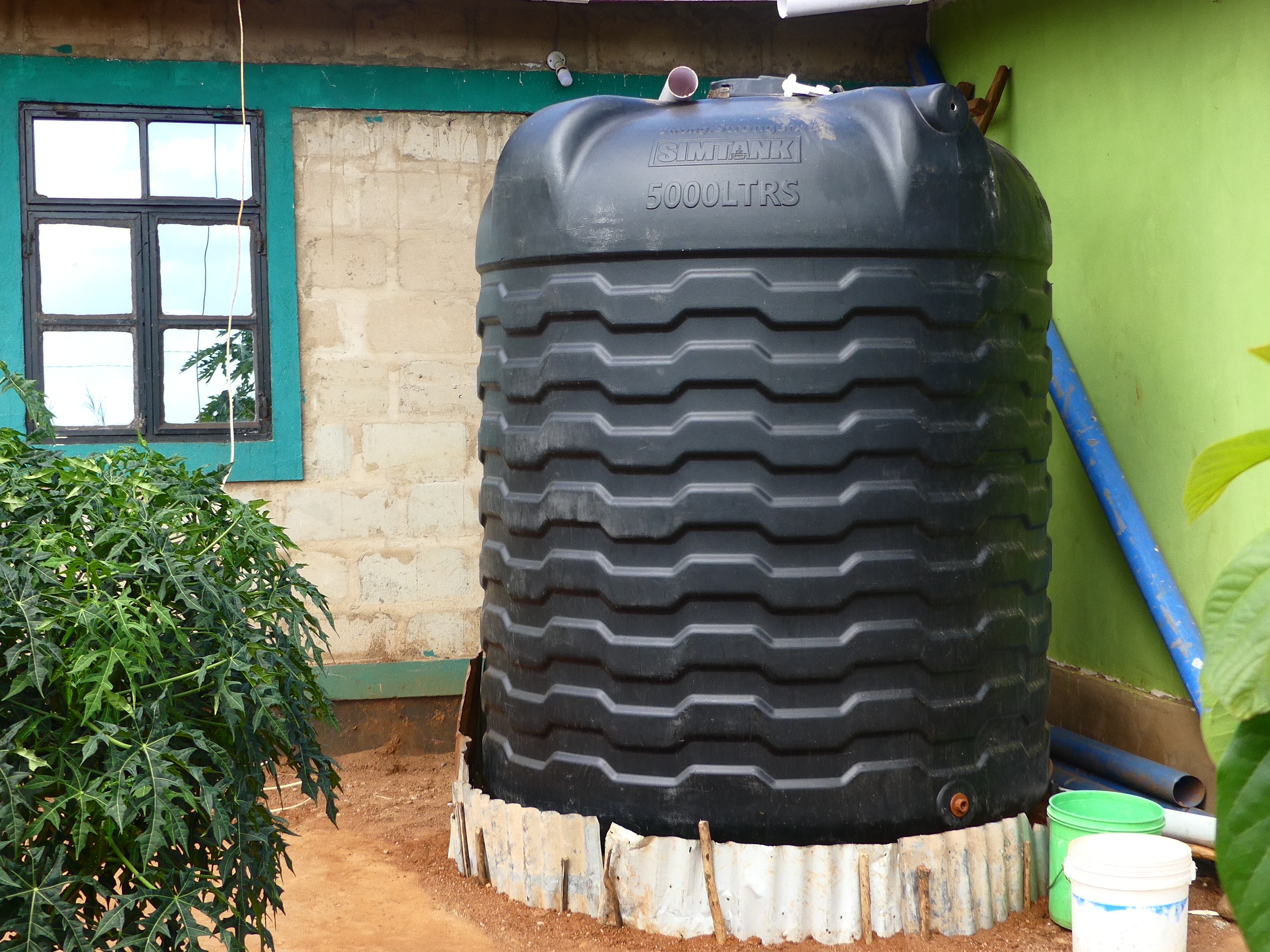
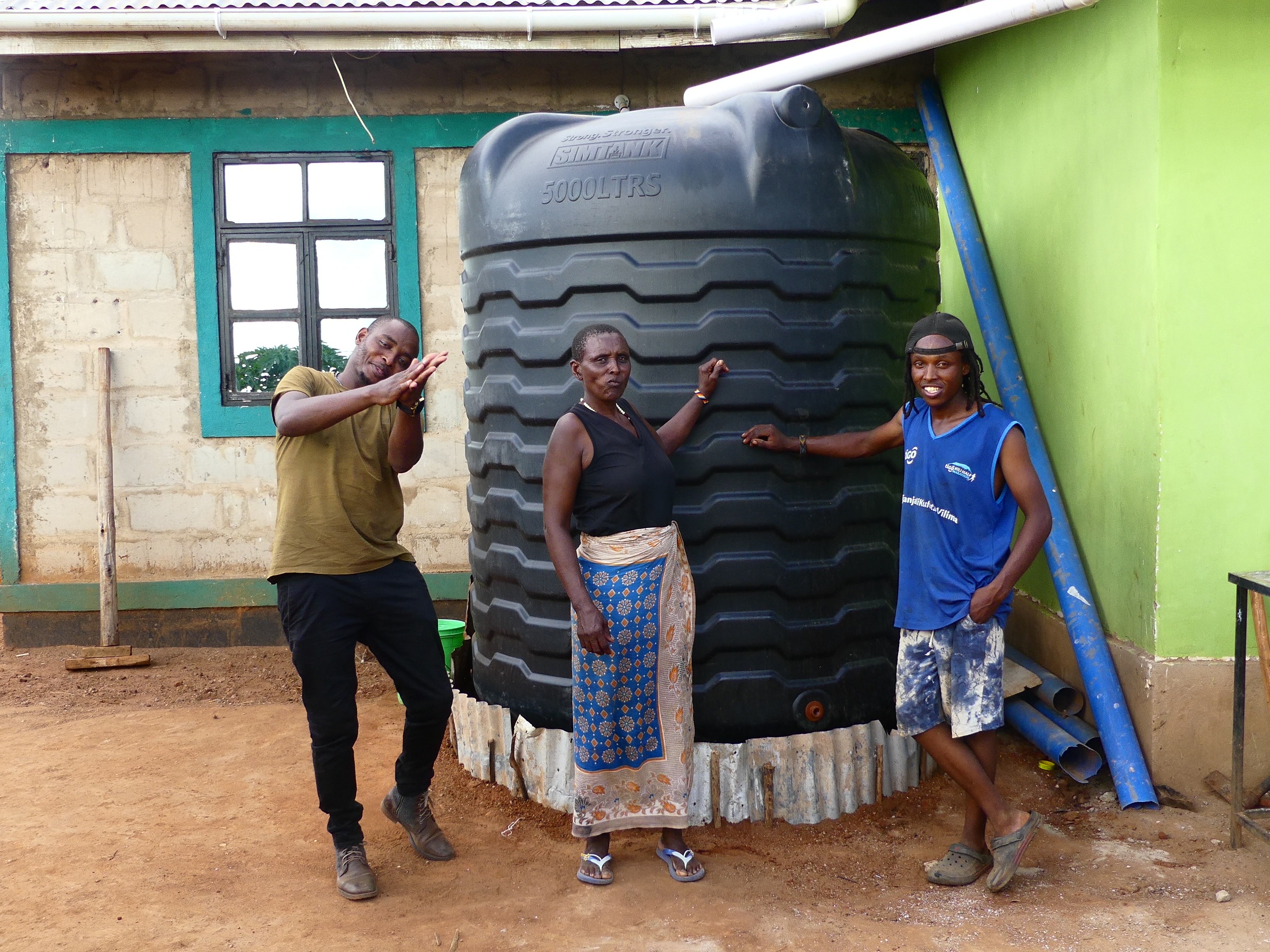
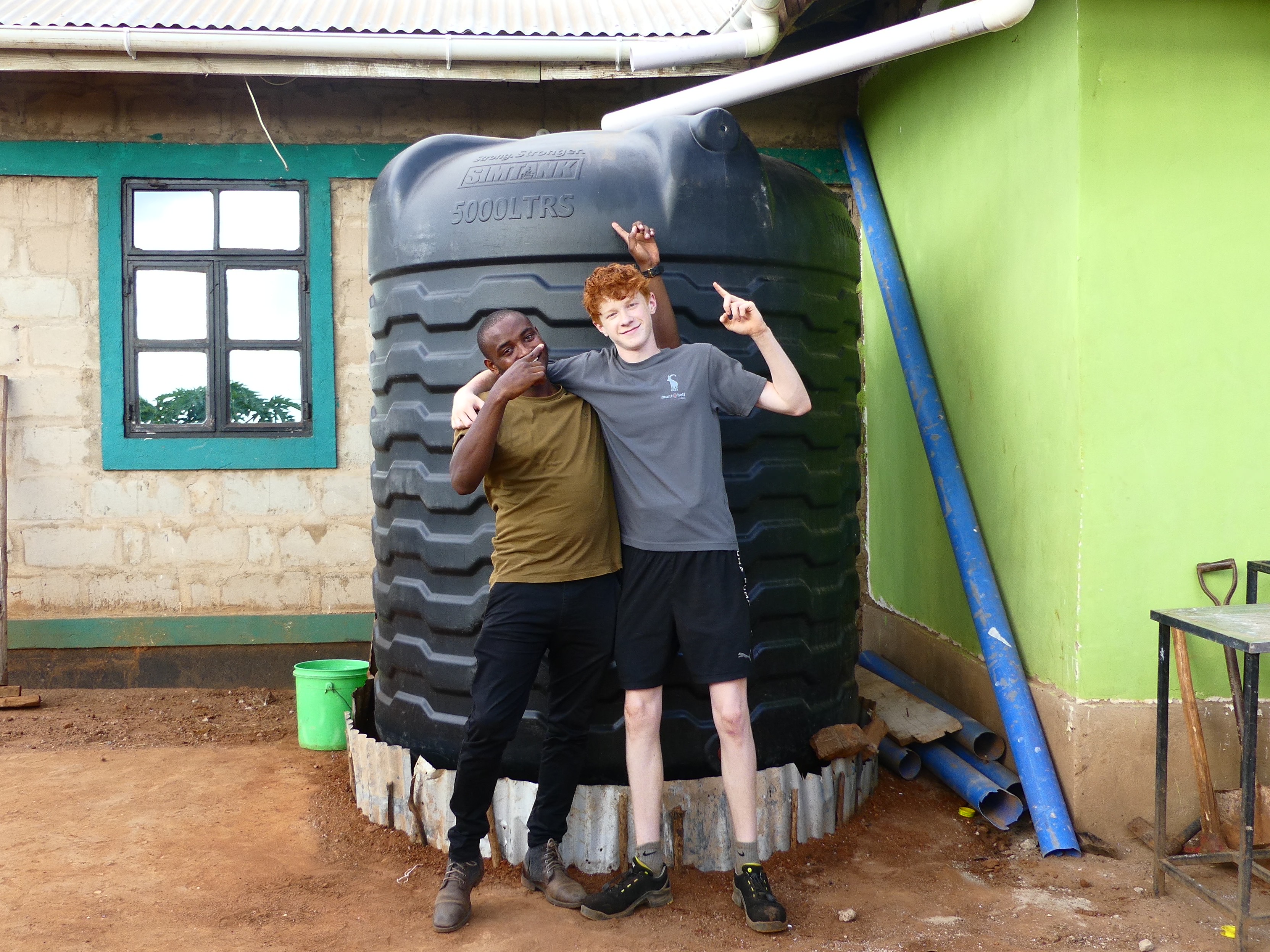
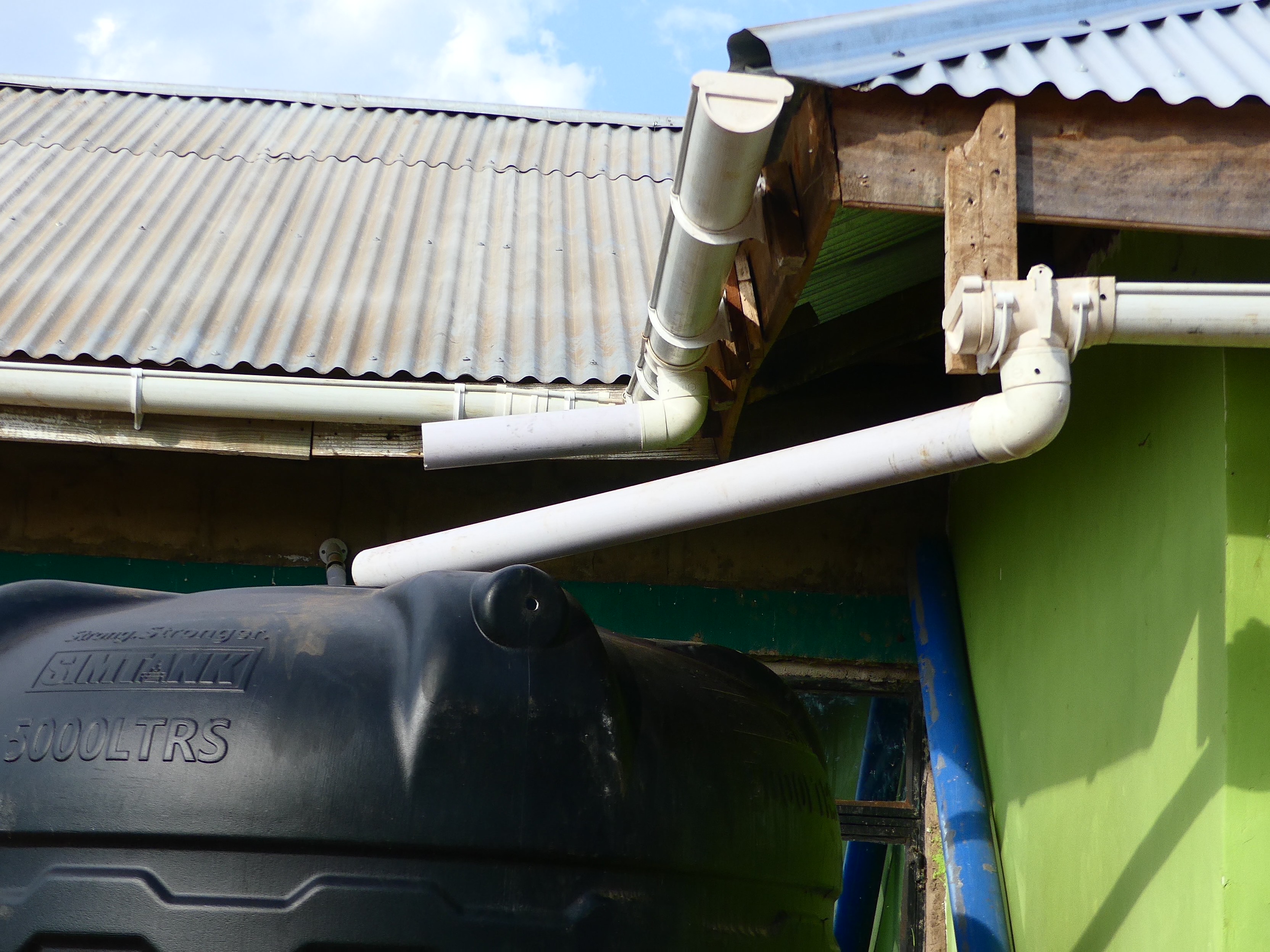
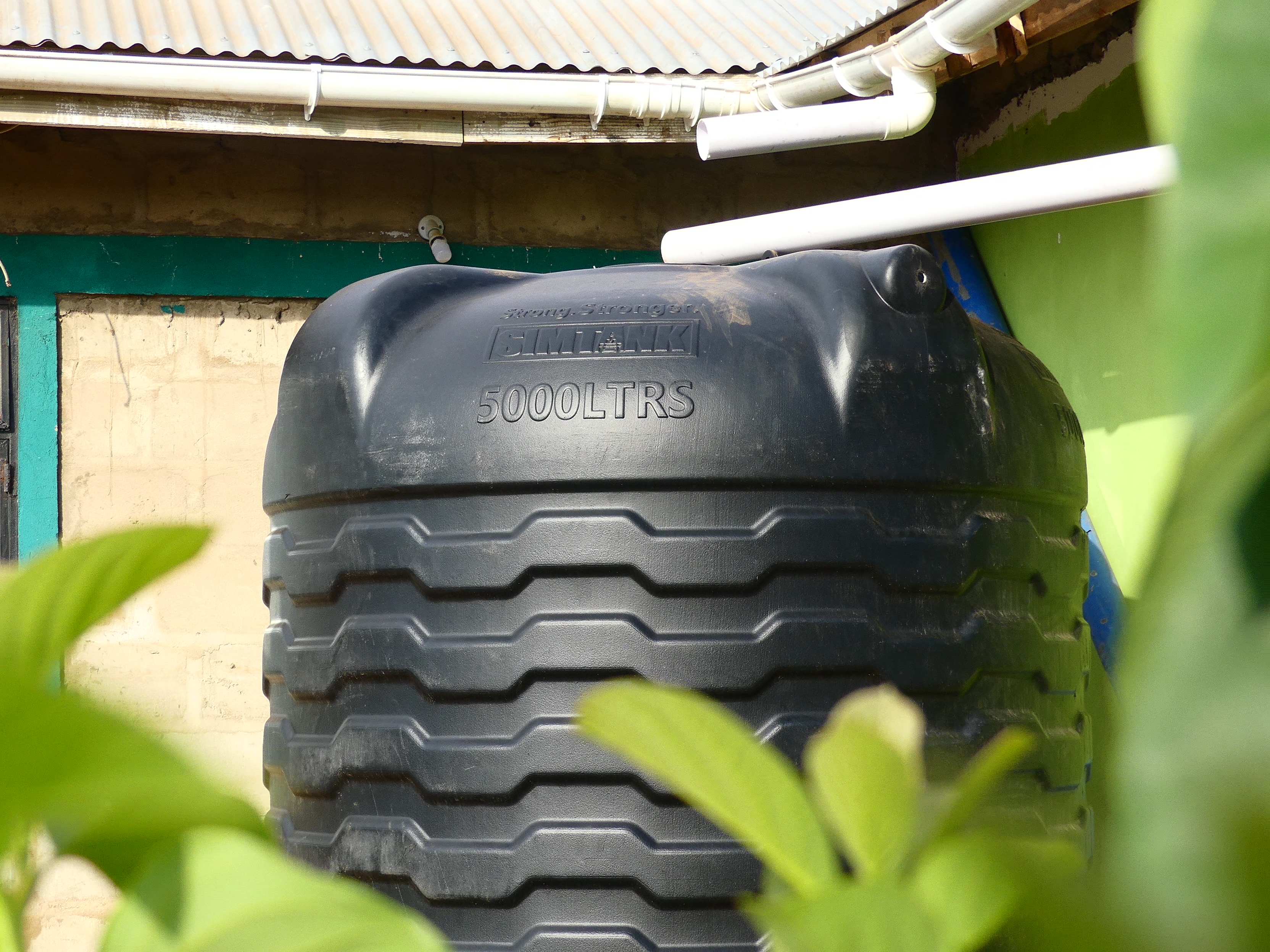
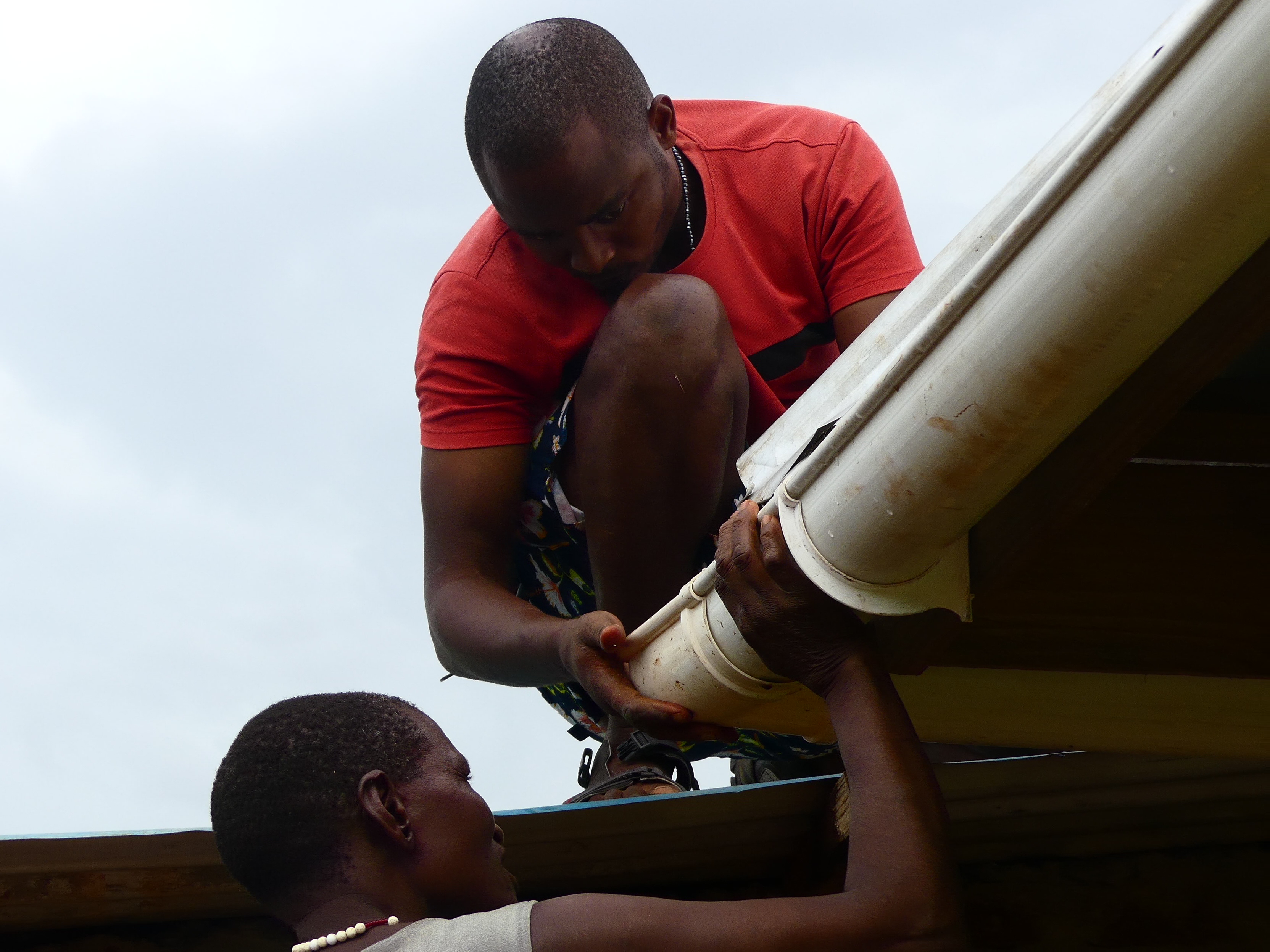
We have constructed rainwater harvesting systems that provide a reliable and sustainable source of clean water. The pilot systems, already benefiting seven households and more than 50 individuals, demonstrate how simple, low-cost solutions can make a lasting impact. These installations collect rainwater in the short rain season and store it for use during the long dry months, reducing dependence on unsafe sources and conserving scarce groundwater.
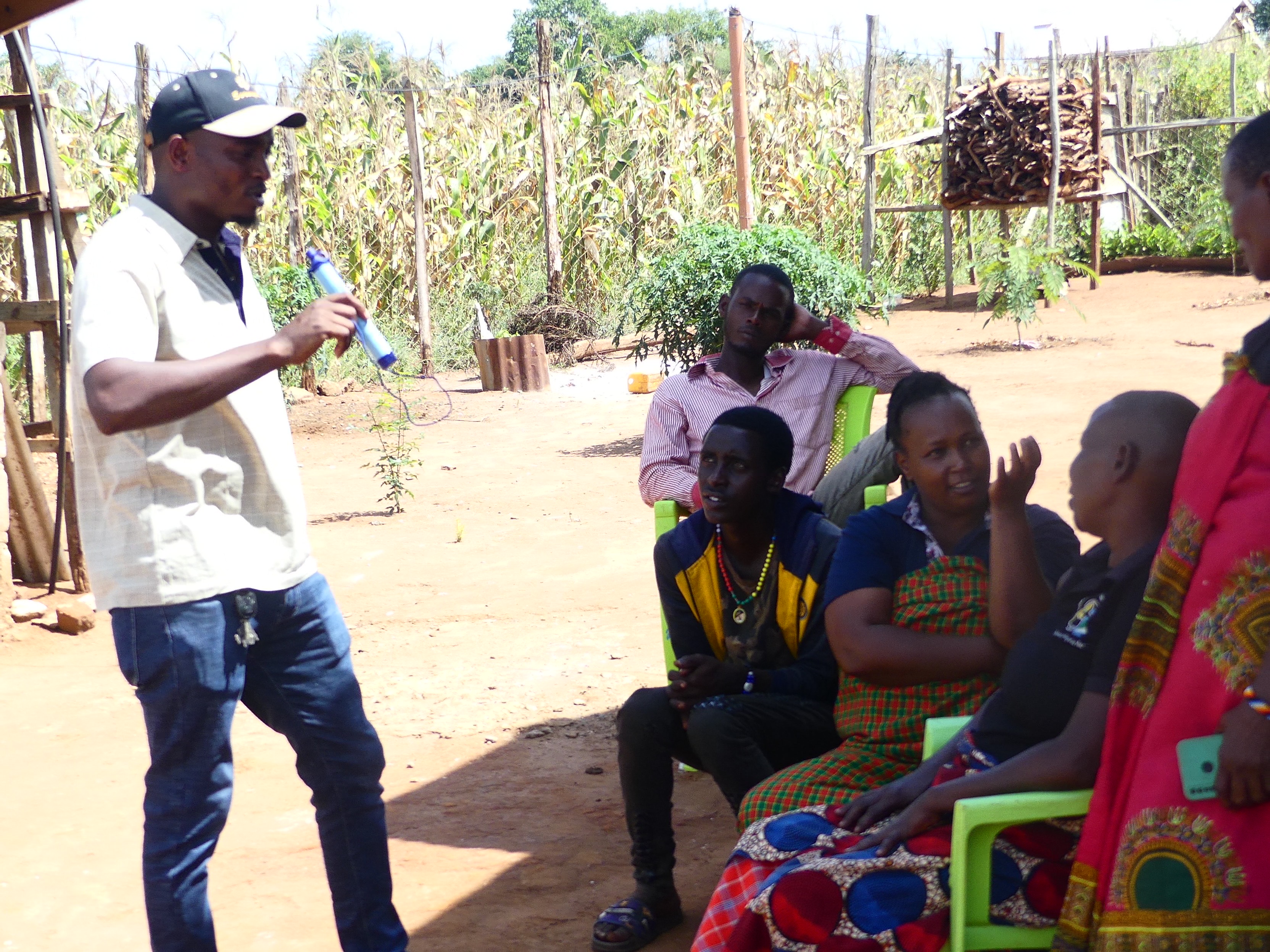
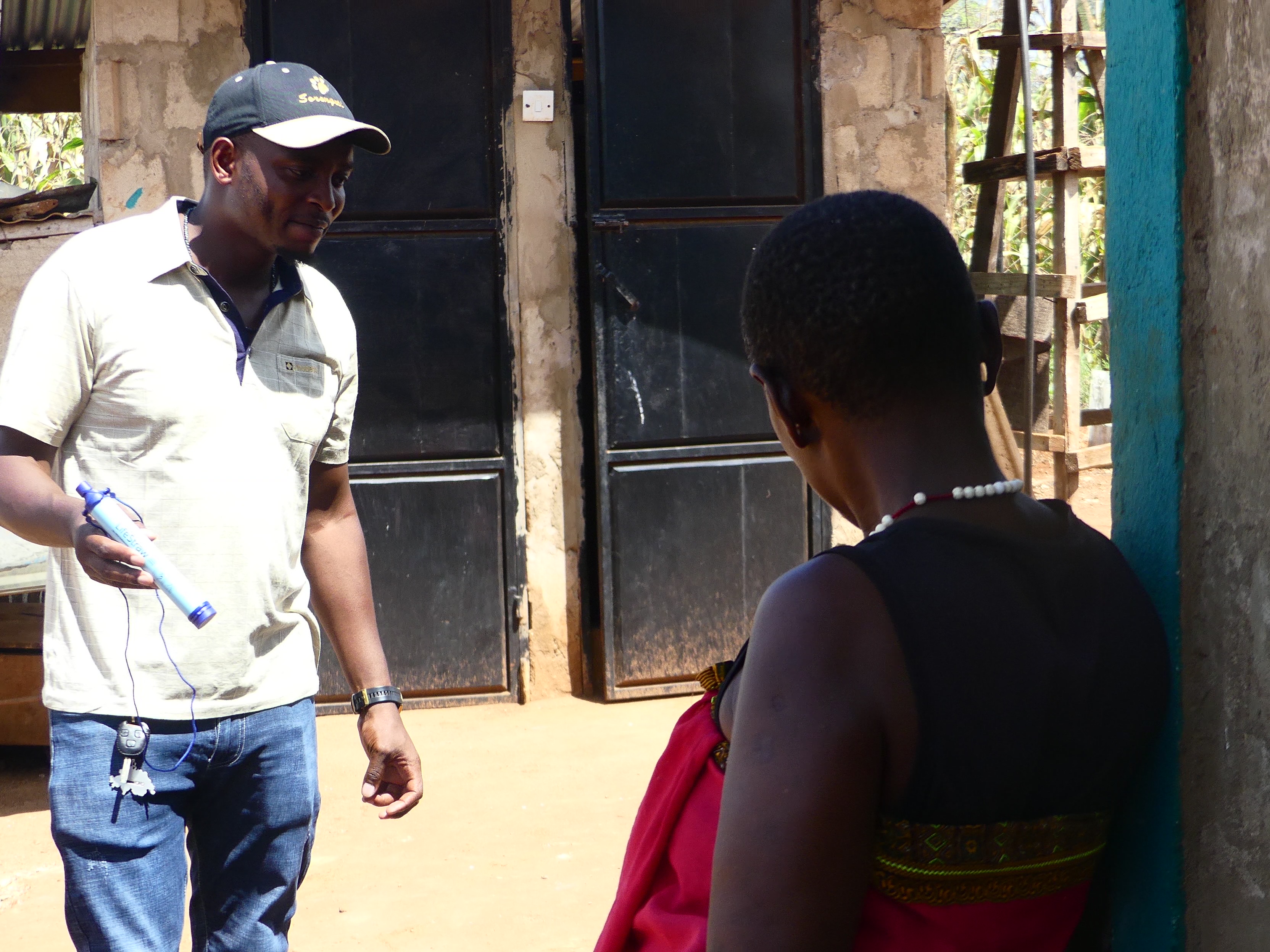
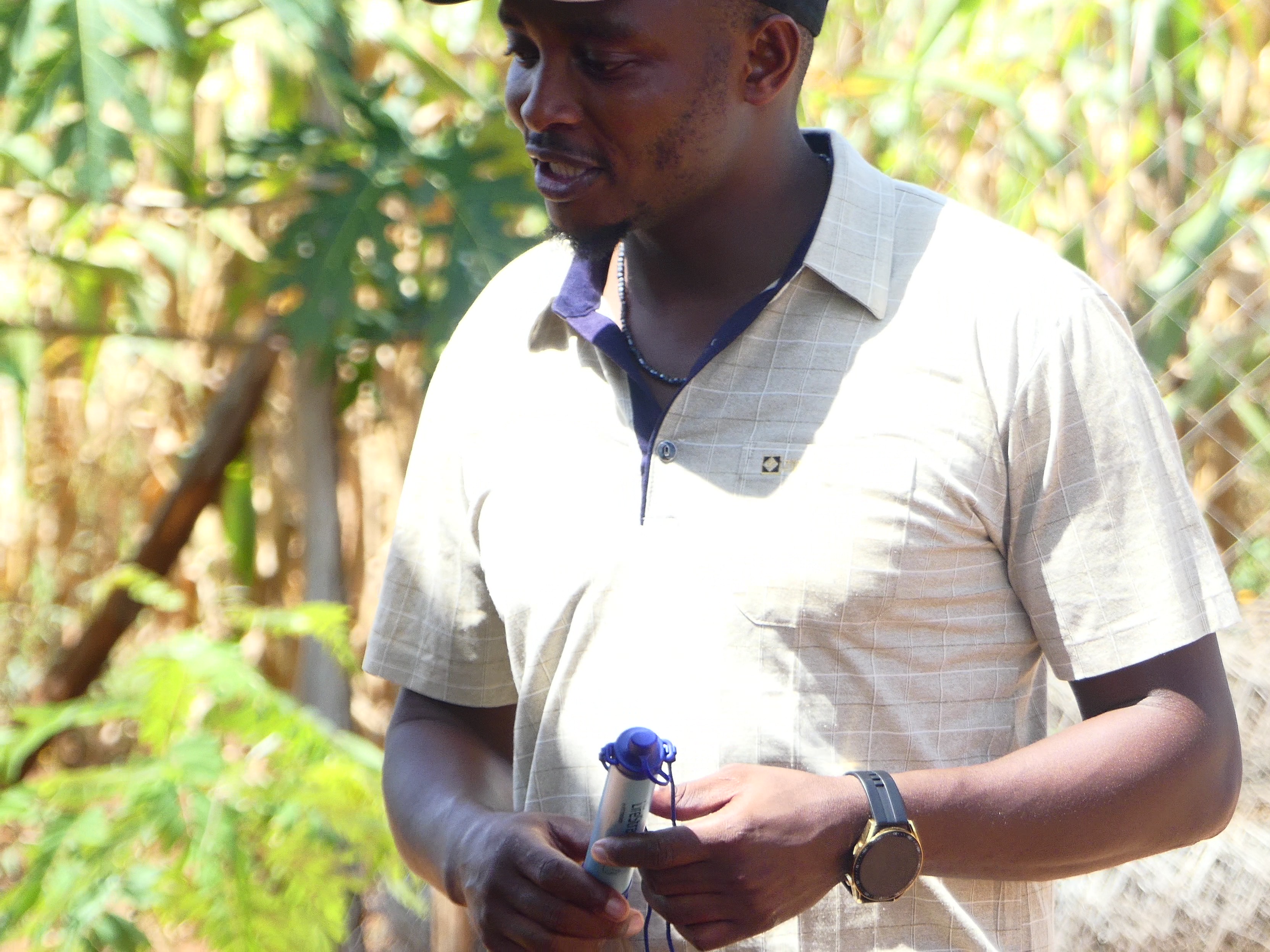
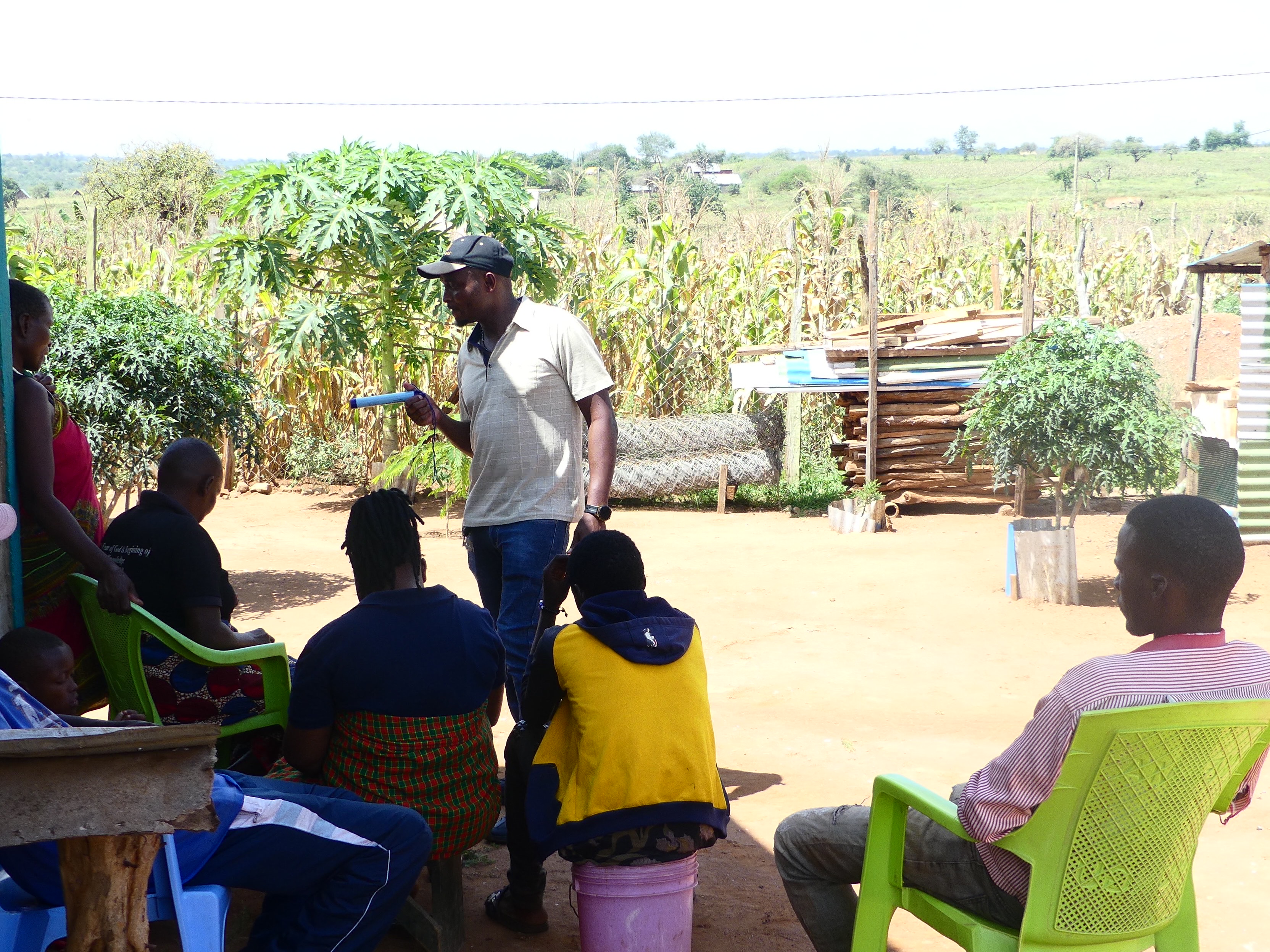
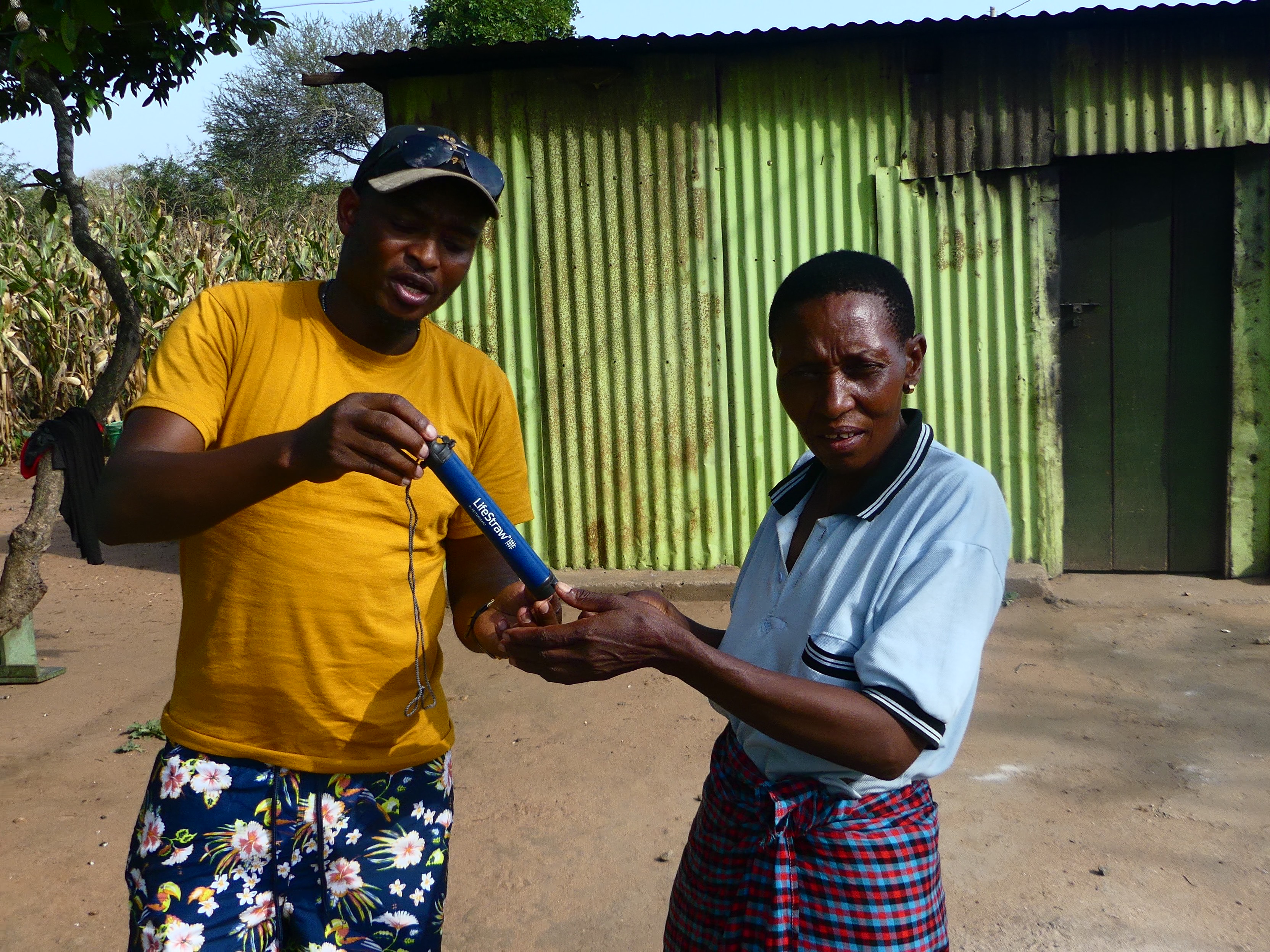
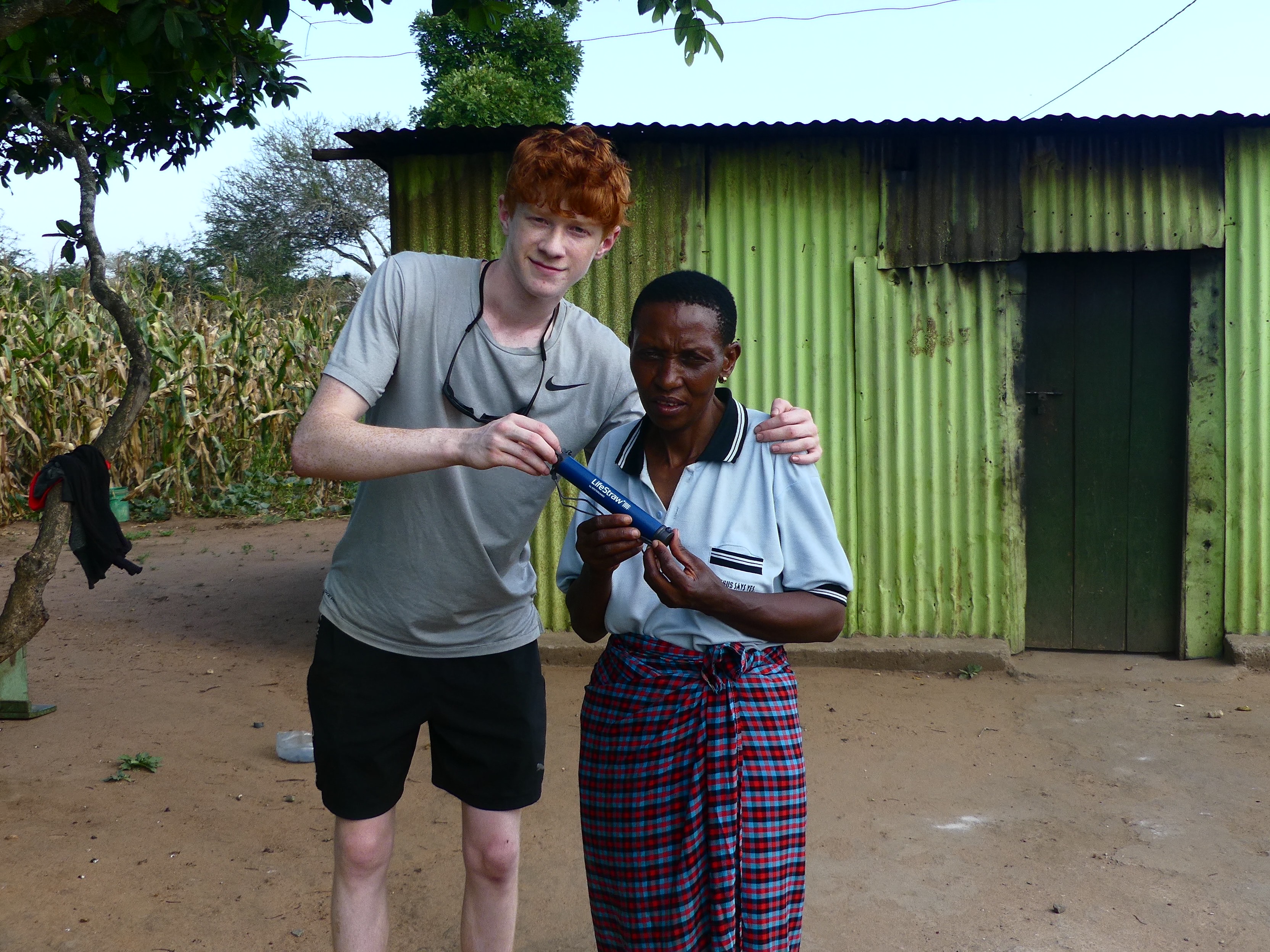
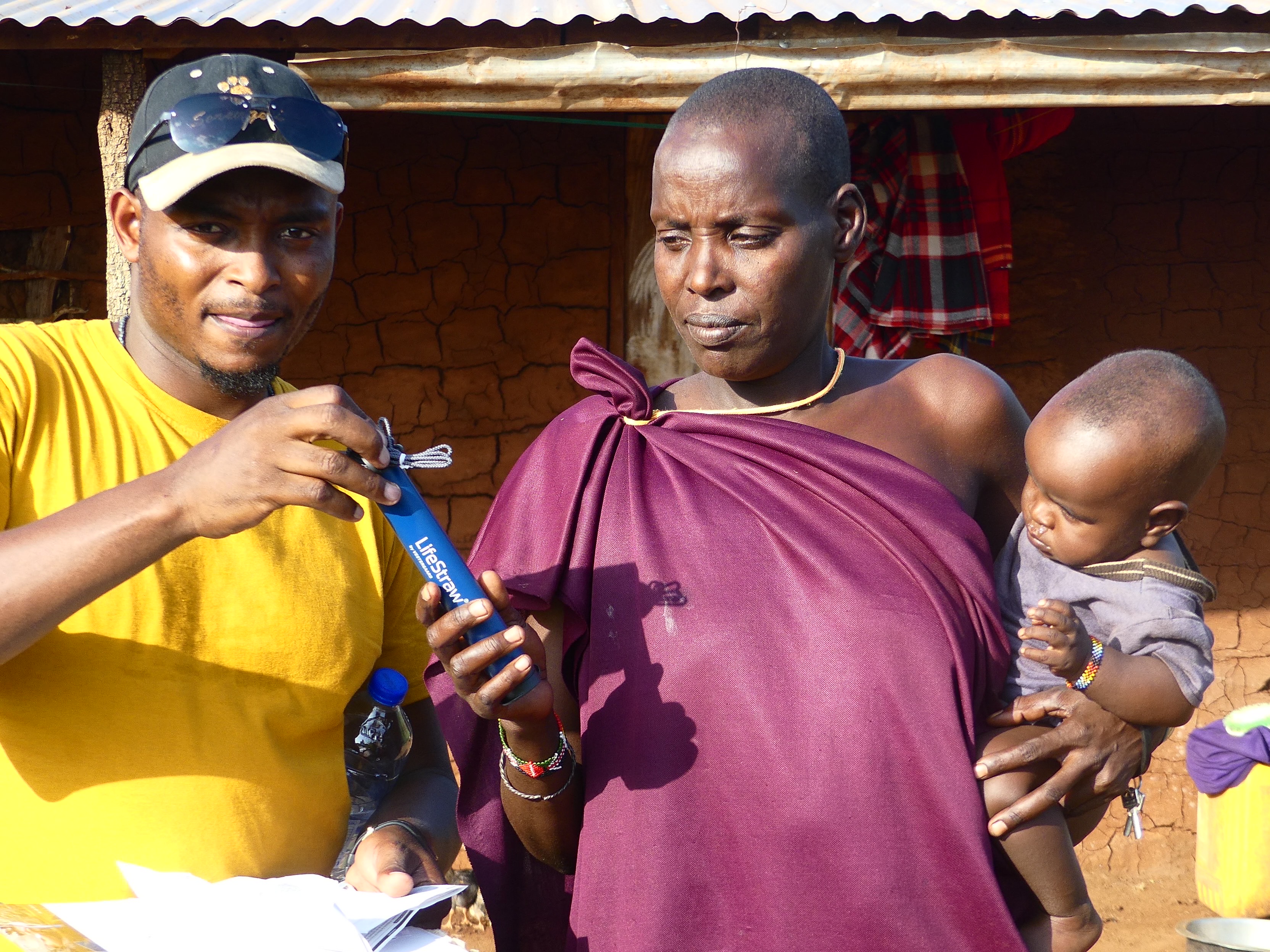
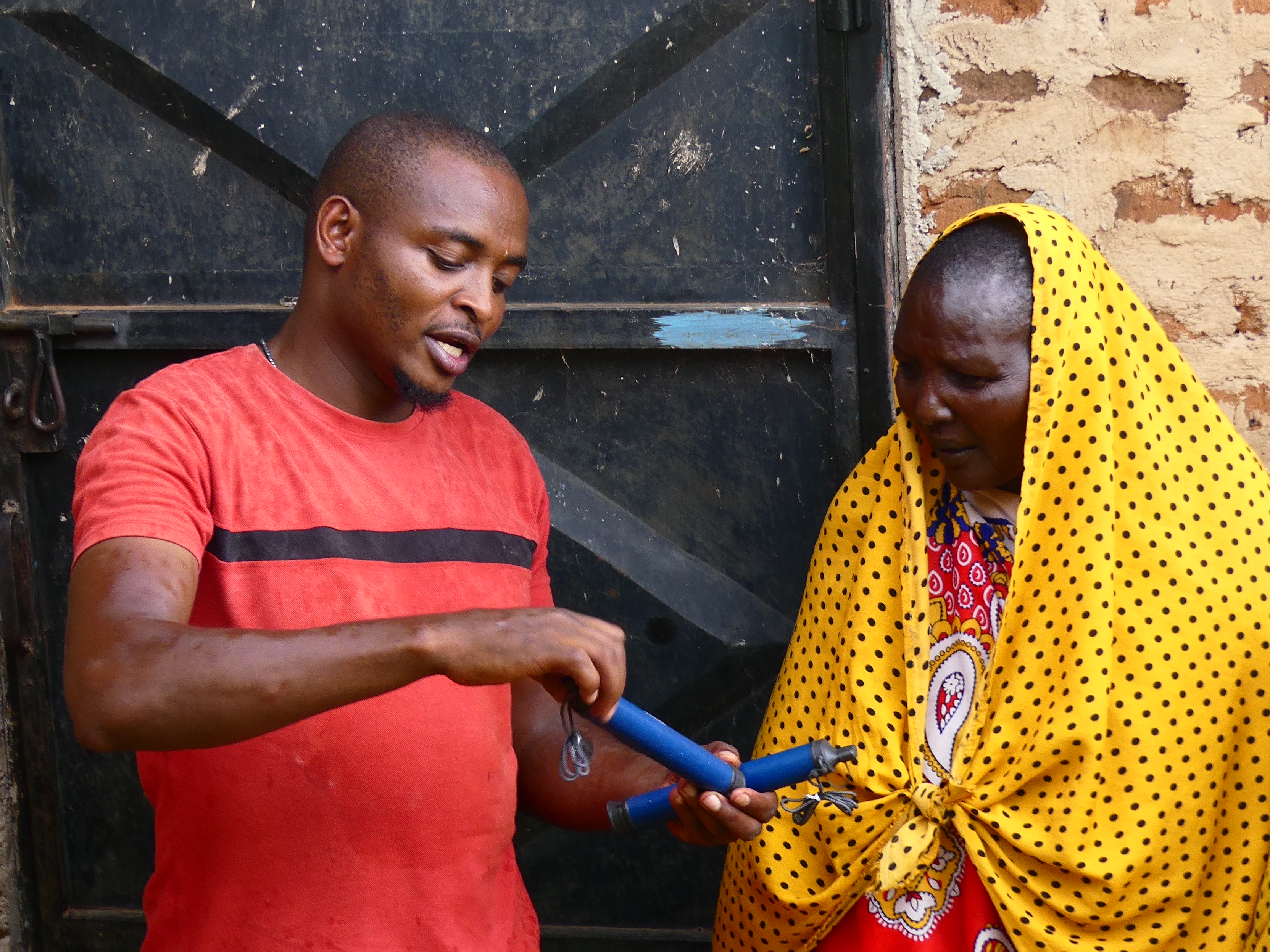
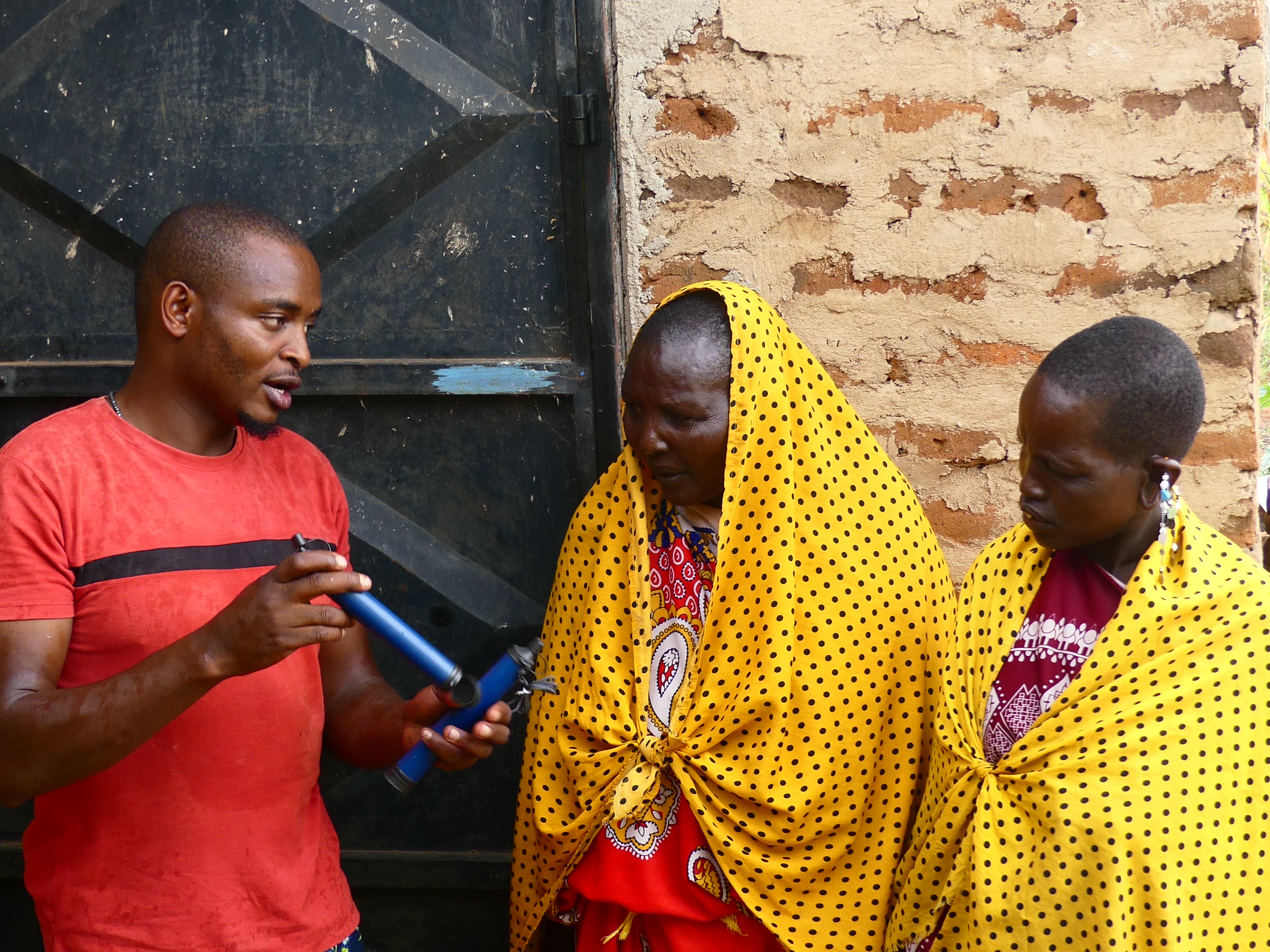
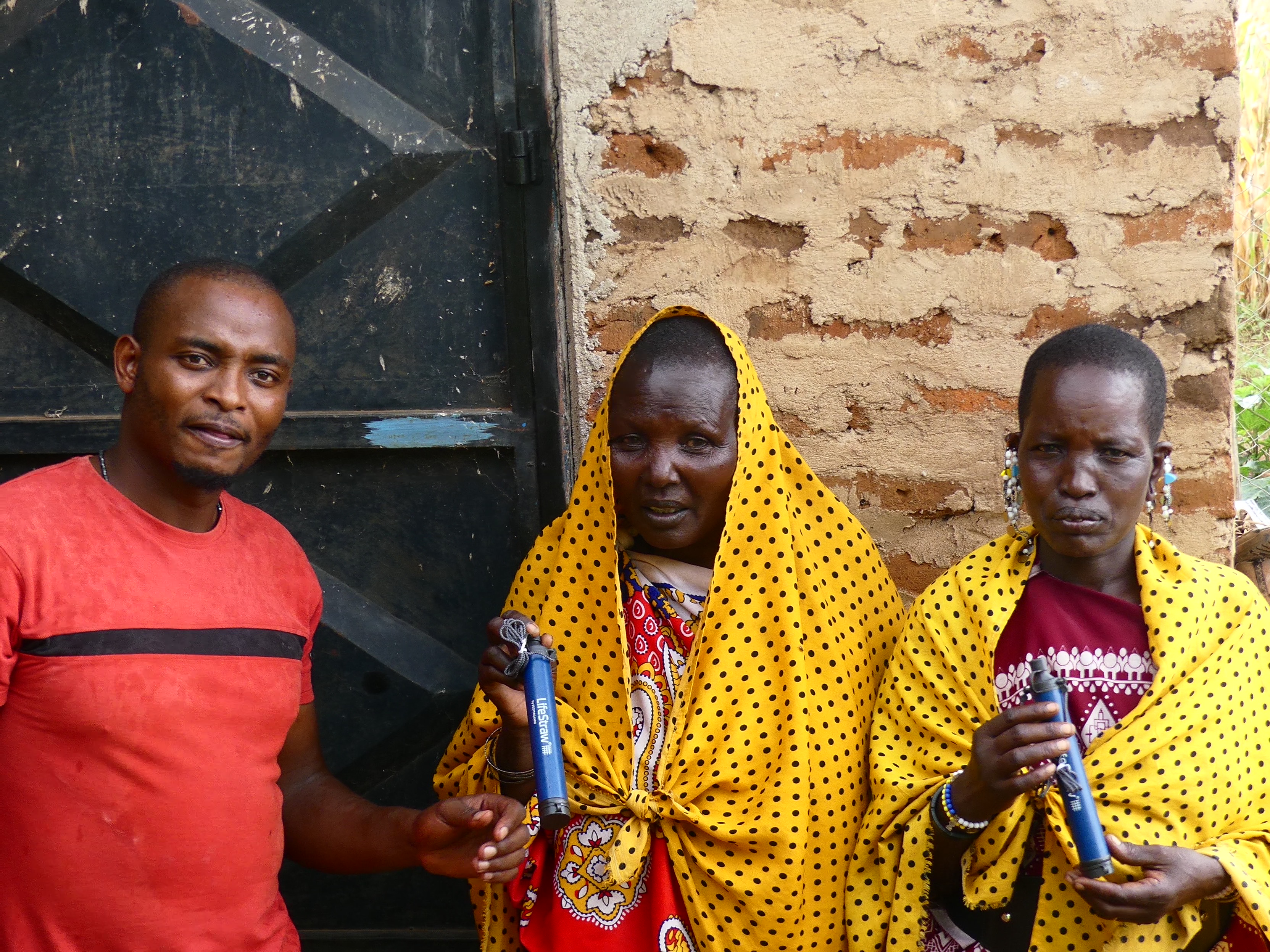
Alongside rainwater harvesting, we distribute portable LifeStraw filters. These devices remove harmful bacteria and contaminants from local water sources, allowing families to drink safely. In our first phase, more than a dozen filters reached households.
The Impact
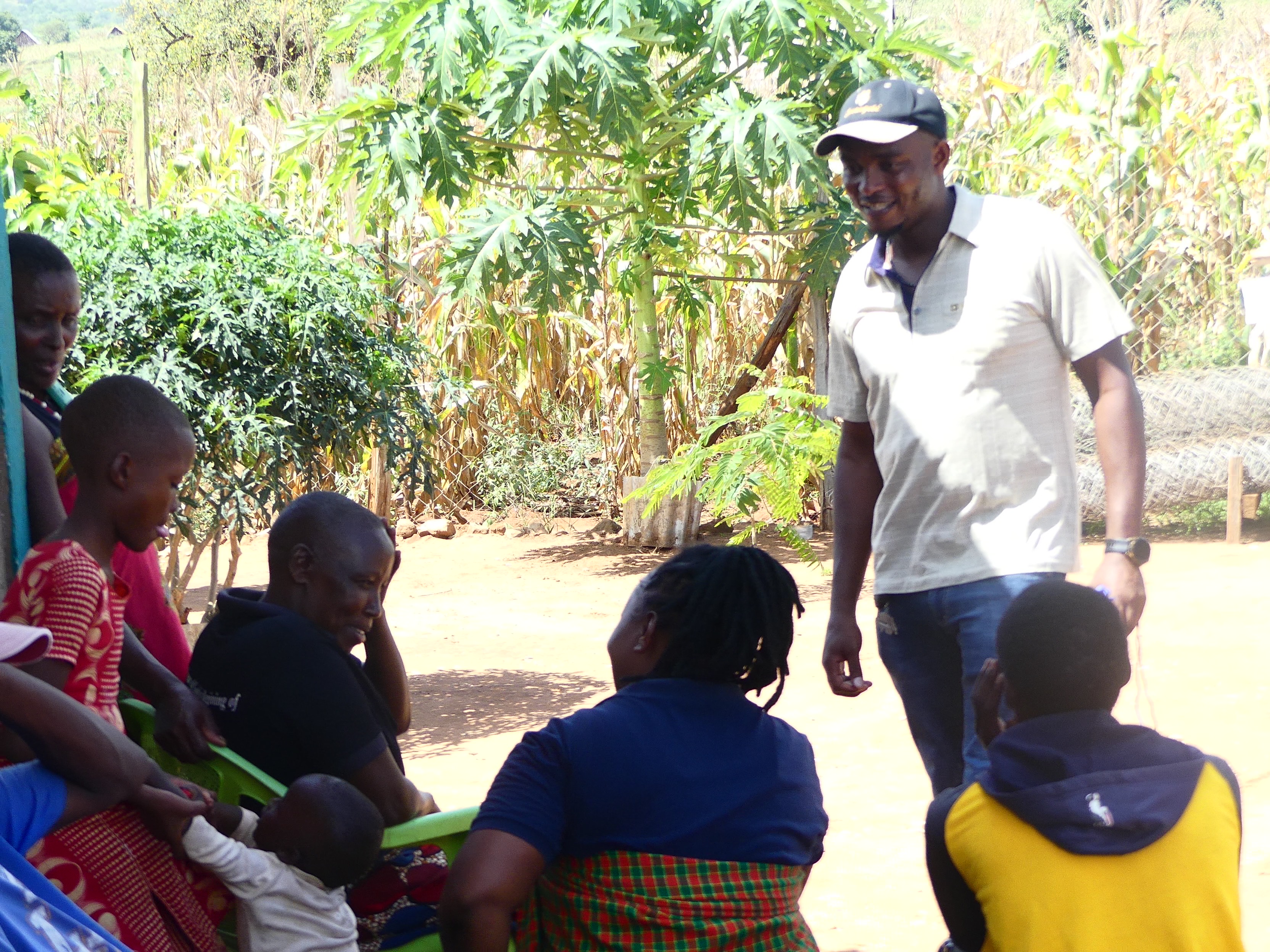
The combination of rainwater harvesting and LifeStraw distribution is transforming daily life in Msomera. Families now have safer and more reliable access to water, leading to improved health outcomes, reduced time spent fetching water, and greater opportunities for education and small-scale economic activities. Beyond infrastructure, we emphasize education on the correct use and maintenance of these systems. Regular monitoring is carried out by locals, supported by visits from REMO staff and volunteers, including our founder, Emmanuel Saitoti, to ensure this project is sustainable for the long term.
Next Up: Msomera 2.0
Our next goal is ambitious yet achievable:
- 10 new rainwater harvesting systems strategically distributed in the region
- Over 500+ people reached
You can find more details, including the budget and specific plans for the this next phase under the "Our Events" section. With your help, we can make this vision real. Every contribution expands access to clean water - not as a charity, but as a shared commitment to justice and sustainability.